Daily Bubble Tea Consumption Raises Risk of Five Diseases
A health warning explains that drinking bubble milk tea every day can secretly raise the risk of five serious conditions, including diabetes, fatty liver, obesity, heart disease, and possibly cancer. The article details how sugar, trans fats, oxalates, and excess calories in the drink contribute to each risk. It offers tips such as cutting sugar, choosing healthier creamers, and moderating consumption to enjoy the beverage safely.
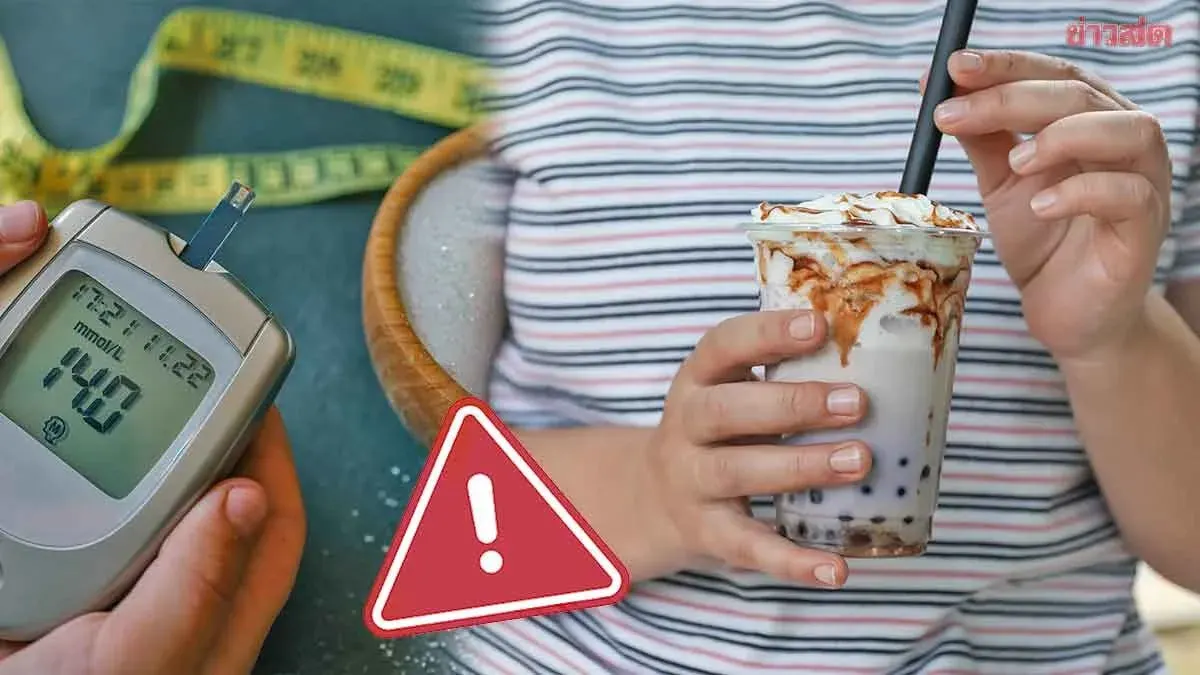
Bubble milk tea is a beloved sweet drink known for its creamy taste, fragrant aroma, and chewy tapioca pearls, making it a go-to choice for a sugar boost or stress relief. However, behind its delicious facade lie numerous health hazards that consumers often overlook. One serving delivers a high amount of energy, comparable to a regular meal, mainly from sugar in the tea and pearls — so‑called empty calories that provide quick carbs without beneficial nutrients. Studies show that excessive, continuous sugar intake raises blood sugar and triglyceride levels, increasing the likelihood of obesity, diabetes, and cardiovascular disease. Moreover, the non‑dairy creamer commonly used is usually made from palm oil, which contains high levels of saturated fat, further threatening heart health. The article then breaks down the five main risks: first, sugar — Thai dietary guidelines recommend no more than six teaspoons (about 24 grams) per day, yet a single cup of bubble milk tea can contain eight to eleven teaspoons (32–44 grams) of sugar, not counting the sugar in the pearls. Over time this surplus can lead to insulin resistance and type 2 diabetes. Second, trans fats from ingredients like non‑dairy creamer and sweetened condensed milk accumulate easily, infiltrating liver cells and contributing to fatty liver disease. Third, tea itself contains oxalates; regular, large‑dose consumption can cause oxalate crystals to build up in the kidneys and urinary tract, leading to stones and interfering with calcium and mineral absorption. Fourth, the combination of excess sugar and carbohydrates from the pearls is converted into fat and stored in the liver, raising the risk of non‑alcoholic fatty liver disease even among non‑drinkers. Fifth, the high calorie count — averaging 300‑500 kcal per cup — can quickly create a calorie surplus when consumed daily without exercise, promoting abdominal fat accumulation and obesity, a gateway to many chronic illnesses. Sixth, the saturated and trans fats in the creamer raise LDL (bad) cholesterol and lower HDL (good) cholesterol, heightening the chance of heart attacks or blocked arteries. Finally, some reports suggest that tapioca pearls or the plastic cups may be contaminated with hormone‑disrupting chemicals or potential carcinogens; while evidence is not definitive, regular consumption of unverified sources could increase long‑term cancer risk. The piece concludes with practical advice: reduce sugar by asking for less syrup or sugar‑free options, choose lower‑fat milk or plant‑based alternatives, limit intake to a few times a week, and stay active to offset the extra calories.