Decharat Criticizes Govt Flood Handling, Urges Clear Northern Plan
Decharat Sukkamnoed accused the government of mismanaging the flood crisis and demanded a clear plan to handle incoming northern floodwaters. He warned that without coordinated drainage planning, provinces would shift blame and residents would face prolonged flooding and possible conflict. The official urged transparent communication and efficient water management to prevent disputes.

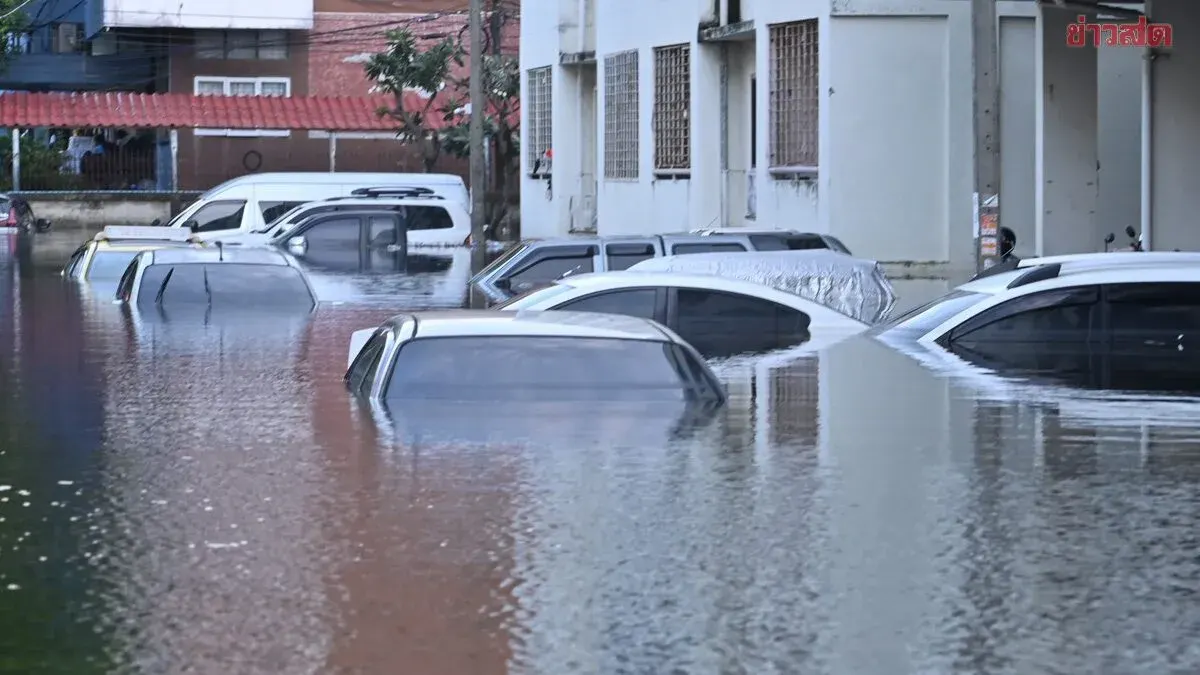
Decharat criticized the government’s flood response, calling it a failure and urging a clear plan for northern floodwaters, while warning against shifting responsibility to provinces that could lead to public disputes. He said that over the past week society has seen the government’s failure in managing the flood crisis, and that the government still lacks a plan to drain water and face the new northern floodwave. Decharat urged Prime Minister and Interior Minister Anutin Charnvirakul, as head of the national disaster prevention and mitigation command, to develop an overall water management plan and provide transparent information to the public about the current situation, drainage methods, and near-future outlook to ensure fairness and efficient drainage system operation. He noted that especially the eastern areas of Bangkok and surrounding provinces — from Pathum Thani through districts such as Sai Mai, Klong Sam Wa, Nong Chok, Lat Krabang, continuing to Samut Prakan and Chachoengsao — still have high flood levels. He explained that the eastern zone can drain water via four routes: east to the Bang Pakong River, northeast to the Nakhon Nayok River, west to the Chao Phraya River, and south to the Gulf of Thailand. However, the first three routes are limited due to northern water backing up and high flood levels, allowing only about 60% of drainage capacity, while the southern route to the Gulf operates at about 80% capacity but requires water from Pathum Thani to pass through canal systems and sluice gates of each province to reach Samut Prakan. Without proper coordination and decision‑making, this creates pressure and tension between areas needing to discharge floodwater, areas the water passes through, and end‑receiving areas before outflow to the sea. Decharat warned that if the central government does not quickly allocate water flow routes and link drainage systems between Bangkok and surrounding provinces, overall drainage will remain ineffective, leaving people to bear deeper and longer floods and potentially creating unequal burdens that spark conflict among localities. He concluded that if the government, which has authority to manage the whole water system, fails to clarify facts and explain its plan — where water will be diverted, at what rate — it is neglecting its duty and leaving the burden to provinces and local administrations, each trying to keep water out of its own area, ultimately leading to disputes and fighting among themselves.