Deputy Permanent Secretary Vows to Crack Down on Local Exam Cheating
A senior Interior Ministry official vowed to eliminate exam fraud in local government recruitment, pledging strict consequences for anyone involved and promising appointments based solely on merit and genuine scores.
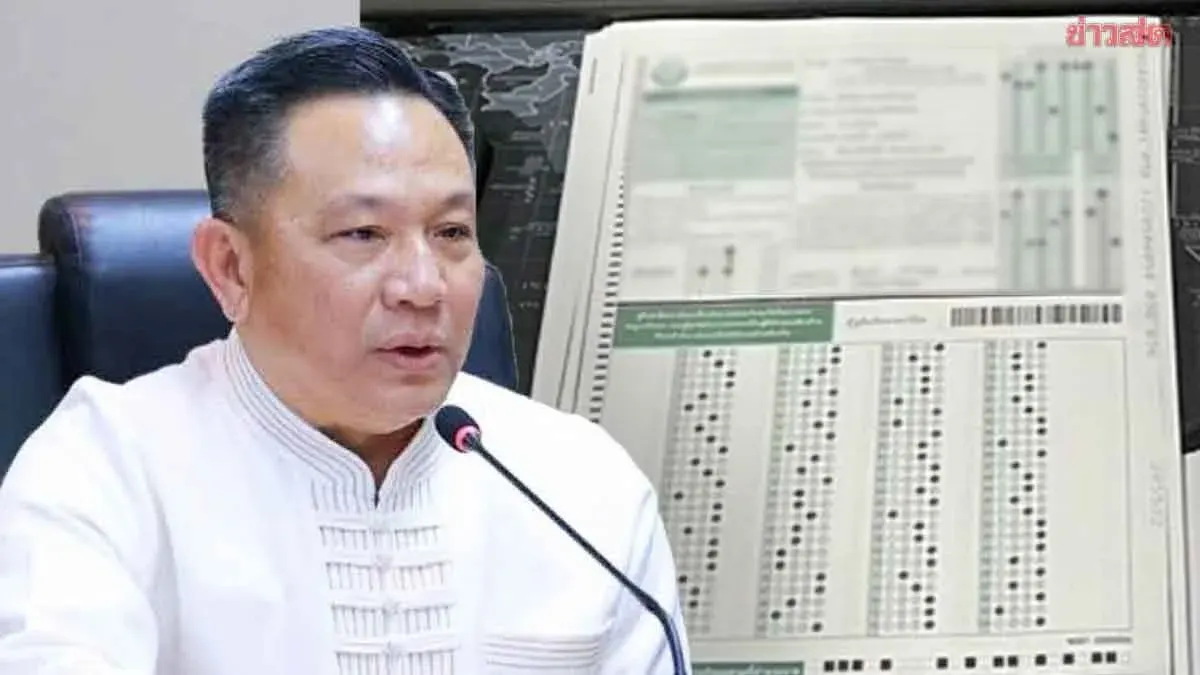
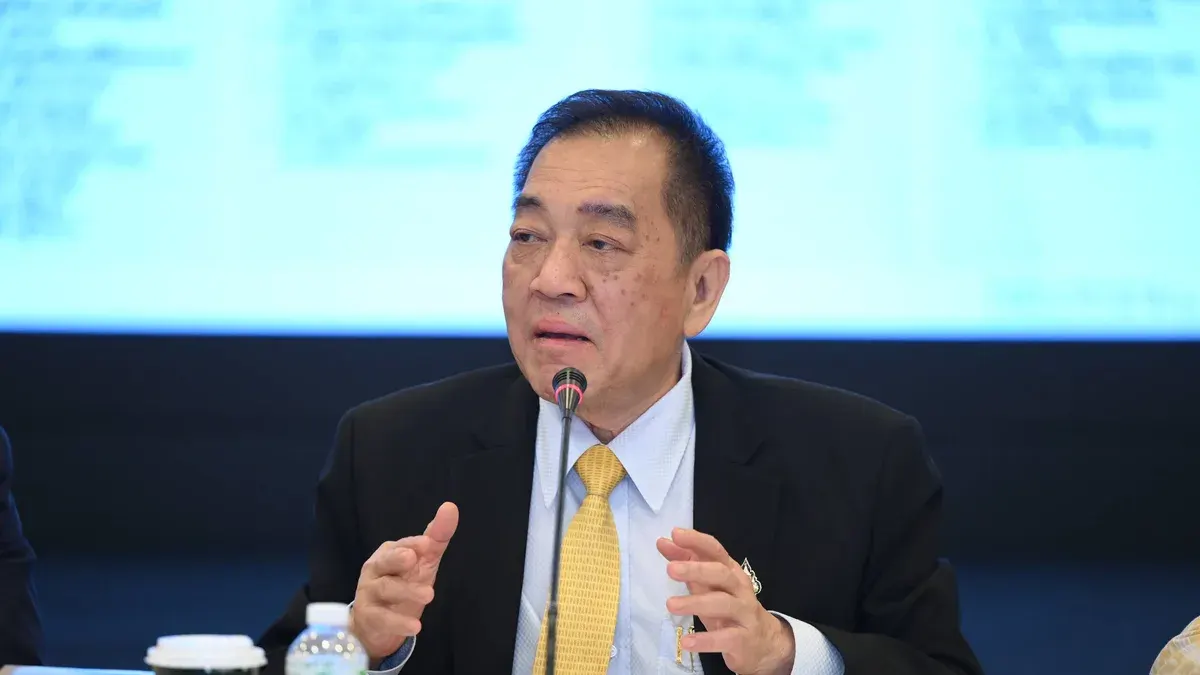
A senior Interior Ministry official has pledged to take serious action against fraud in local government recruitment exams, promising that anyone involved will face consequences with no exceptions. On August 9, 2025, Nirat Pongsitthawon, Deputy Permanent Secretary of the Interior Ministry and acting director of the Department of Local Administration (DLA), issued a statement addressing corruption in local exams, emphasizing that the intentions of exam takers must not be wasted due to fraud. Following Prime Minister Anutin Charnvirakul's clear policy and genuine commitment to seriously addressing exam fraud, the government has established a strict principle: whoever commits wrongdoing will face consequences with no exceptions, decisions will be based on facts and conduct rather than personal connections, qualified candidates will be appointed, and fairness will be restored to deserving applicants. The DLA, Civil Service Commission, and Interior Ministry will announce successful candidates according to their genuine scores without manipulation or favoritism, ensuring that all exam takers receive equal justice.