Deputy PM Backs Plan to Increase Doctors Despite Opposition
Deputy PM Yasachon Wongswat defended plans to expand medical schools despite opposition, citing urgent doctor shortages in provincial Thailand and strict quality controls overseen by the Medical Council and education regulators.

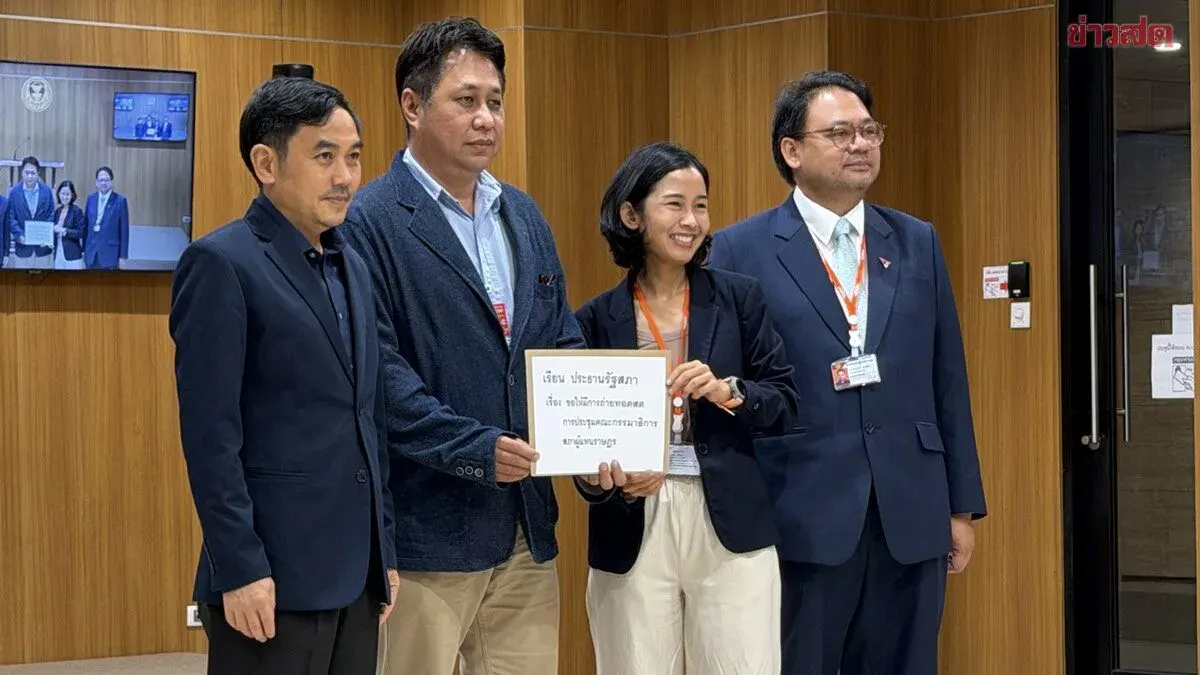
On July 2, the Medical Council hosted a seminar titled "Opening New Medical Schools: A Real Solution to Thailand's Doctor Shortage?" with Deputy Prime Minister and Minister of Higher Education, Science, Research and Innovation Yasachon Wongswat participating in discussions on institutional standards and preparedness.
During the event, Yasachon addressed criticism from medical groups opposing the expansion of medical schools, which some claim could saturate the market. He presented evidence supporting the necessity of increasing doctor numbers, particularly for underserved provincial areas. He noted this is a pressing issue following a national higher education policy meeting that found funding for medical education through GPMT (Group of Professors of Medicine Thailand) is set to expire.
Yasachon emphasized the urgent need for policy frameworks to prevent gaps during the transition period. The meeting approved continued GPMT support for approximately 10 years, based on actual data including physician retirement rates and new graduate numbers. "When looking at the country's overall situation, supporting increased doctor production remains necessary," he stated.
Regarding quality control concerns, Yasachon clarified that strict legal mechanisms exist. The Office of the Permanent Secretary oversees curriculum standards rigorously, while the Medical Council provides final approval, as medical practice standards are paramount. The meeting also discussed concrete plans for distributing doctors to provincial areas through programs like CPIRD (Community-based doctor production for rural areas) and proposals for establishing medical schools in regions outside Bangkok, noting that medical graduates tend to settle and practice in their educational communities.