Doctors Advise Reducing Salt in Flood Relief Lunch Boxes
Doctors from Chiang Mai Hospital urge that flood‑relief lunch boxes be low in salt to protect kidneys, especially for elderly, diabetics, hypertensives, and kidney patients. They advise cutting fish sauce, soy sauce, processed foods and using fresh ingredients when preparing donation meals. The experts stress that good relief means not only filling stomachs but also safeguarding recipients’ health.
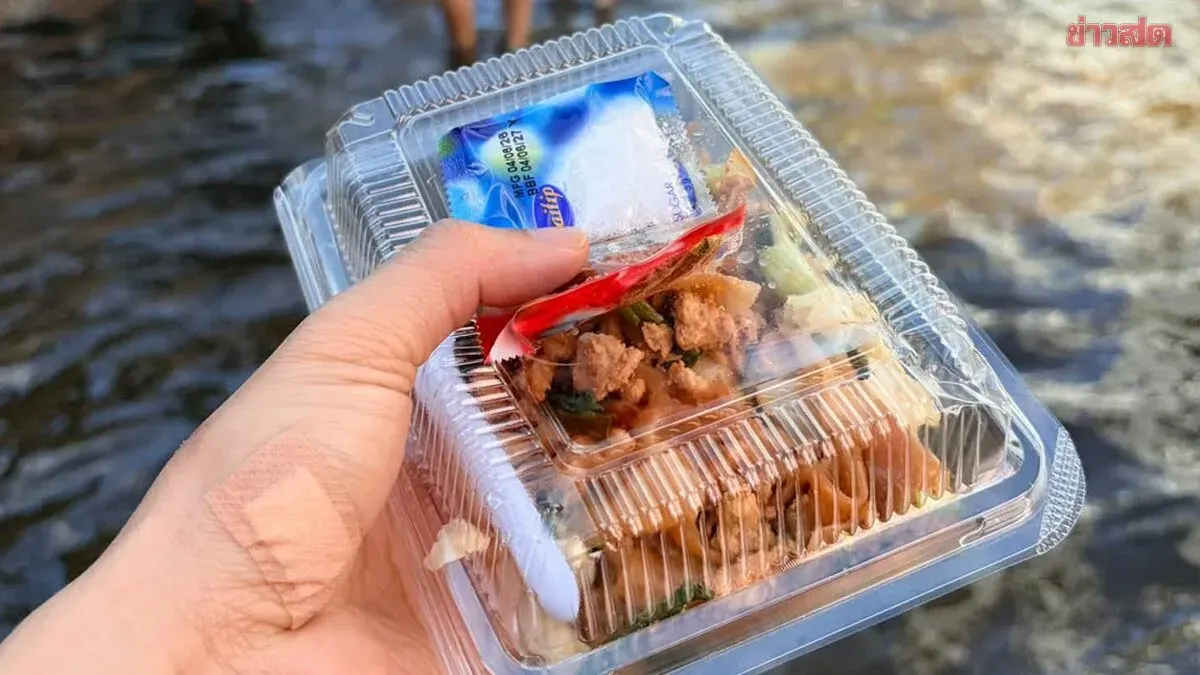
Doctors warn that flood‑relief lunch boxes should be low in salt to avoid overworking the kidneys, emphasizing that good aid means more than just filling stomachs — it must also consider recipients’ health. On 13 October 2026, Associate Professor Dr. Chajornsарт Nopakhun, deputy director of Maharaj Nakorn Chiang Mai Hospital and lecturer in the Kidney Disease Unit at Chiang Mai University’s Faculty of Medicine, said that salt or sodium plays a role in blood‑pressure control, and regular high‑sodium intake makes blood‑pressure harder to manage, affecting blood vessels and kidney function. He noted that while salty or seasoned foods keep longer in flood situations, relief efforts should not focus only on food preservation but also on the health of those receiving the meals, especially the elderly, diabetics, hypertensive patients, and those with existing kidney disease. Preparing donation lunch boxes can lower sodium easily by reducing fish sauce, soy sauce, seasoning sauces, and salt, choosing fresh ingredients over processed items such as sausages, meatballs, and pickled foods, and tasting before cooking without needing to make dishes overly tasty. He added, “One lunch box we send may stave off hunger, but if we also cut the salt, we simultaneously look after the recipient’s health.” The deputy director continued that helping flood victims is not merely about making food “filling” or “long‑lasting”; it should be clean, safe, nutritionally valuable, and not increase health risks. Good aid is not just about satiety but about caring for the receiver’s well‑being.