Editor's Take: Thailand's Teacher Debt Crisis Demands Systemic Fix
Thailand's teacher debt crisis, affecting over 862,000 educators burdened by loans totaling 1.14 trillion baht, requires systemic reform beyond previous band-aid fixes like interest rate cuts. A new collaboration between education and agric
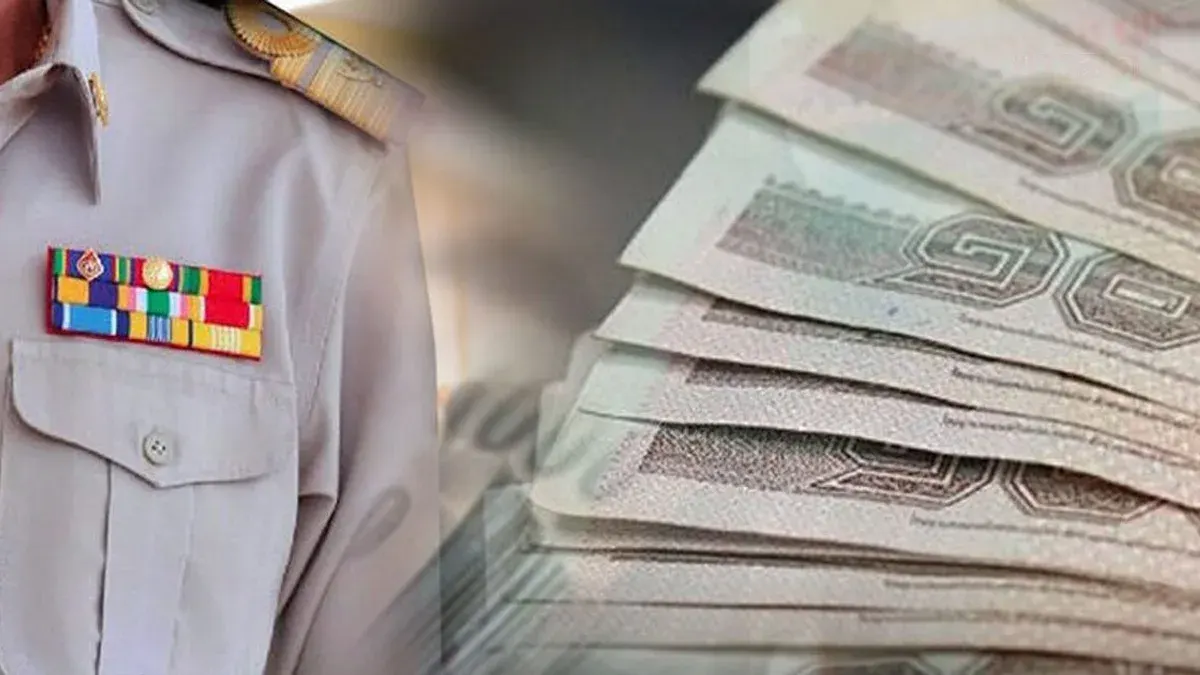
Teacher debt has long been a major challenge for Thai governments, rooted in longstanding financial system issues and teacher credit cooperative management. Past relief efforts have focused narrowly on interest rate cuts or payment deferrals, but without addressing root causes, the problem resurfaces repeatedly. A new collaboration between the Education Ministry and the Agriculture and Cooperatives Ministry offers a more promising approach by connecting borrower problems with creditor-side solutions, including lower-cost funding sources, debt consolidation, restructuring, extended repayment periods, and responsible lending practices. Teachers' long-term repayment capacity and circumstances after retirement must be carefully considered. The scale of the problem is stark: 116 teacher credit cooperatives serve over 862,000 members with total lending of 1.14 trillion baht, while average interest rates stand at 5.6% and some cooperatives charge as high as 9%. Most concerning, some teachers face salary deductions so severe they retain less than 30% of their income to live on. The government's shift from simple rate cuts to systemic reform is conceptually sound, tackling not just interest but also cooperative funding costs, loan terms, repayment capacity, and new borrowing behavior. Using credit locks to prevent further debt accumulation is also essential, since allowing endless new loans while clearing old ones is not a genuine solution. Teacher debt is a critical test for the government. If the Education and Agriculture ministries can jointly address funding costs, restructure debt, and prevent new borrowing, teachers will not only recover dignity and financial security but also regain time and energy to focus fully on their vital mission: teaching and caring for students. True debt relief means enabling people to stand on their own feet again. When teachers have stable lives, classrooms thrive. Establishing a committee and setting a 30-day timeline are merely starting points; what matters is whether resulting measures actually leave teachers with usable income, avoid unnecessary budget strain, and do not weaken the cooperative system. The public will now watch whether these ideas translate into real action.