Editorial: Government Should Cut Fuel Prices Now
Global oil prices have fallen below $70 per barrel, but Thai fuel prices remain unnecessarily high as the government's oil fund depletes its reserves, prompting calls for immediate price cuts to ease the cost of living and boost the stallin
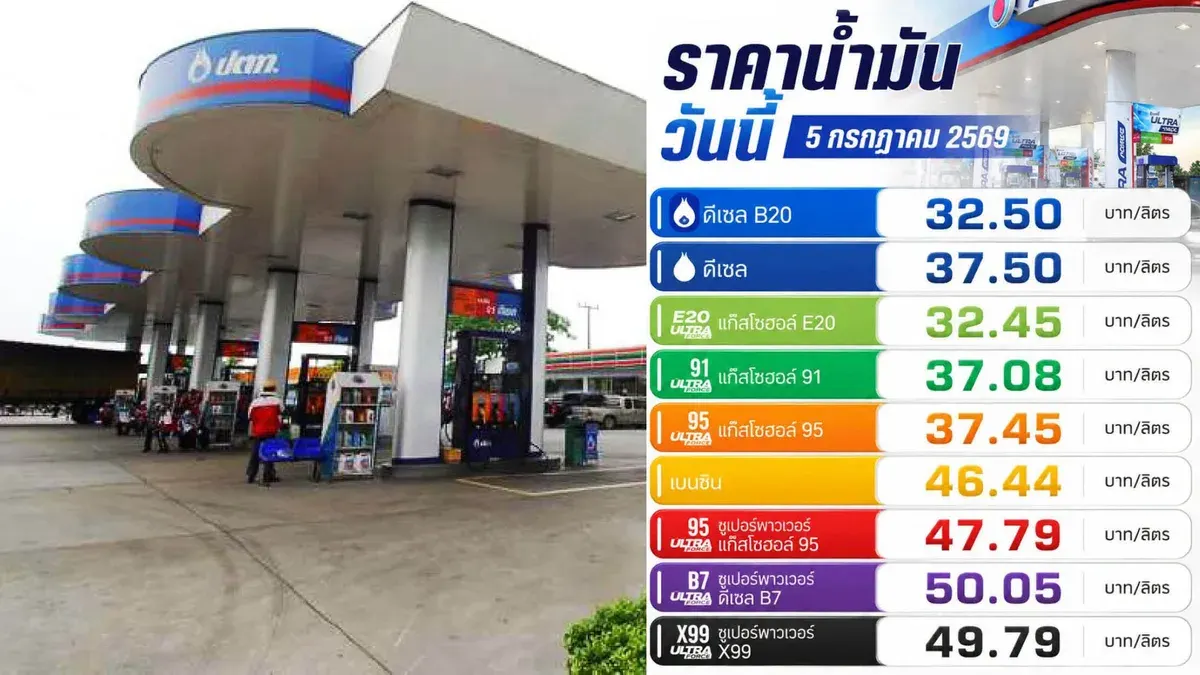
Global oil markets have stabilized and crude oil futures have fallen below $70 per barrel after tensions in the Middle East peaked in late February. However, retail fuel prices for refined petroleum products in Thailand have not declined as much as they should, particularly diesel prices, which are crucial to driving the entire economy.
Although prices have fallen somewhat compared to pre-conflict levels, they remain higher than necessary, forcing citizens to shoulder increased costs. One key reason domestic prices haven't fallen faster is that Thailand's oil fund is still drawing contributions to cover losses from the conflict stabilization period, resulting in a deficit of more than 55 billion baht.
The Thai Industrial Council has proposed that the government urgently implement measures to ensure domestic energy prices properly reflect reduced global costs. This would help ease the cost of living for ordinary people, quickly reduce production costs for businesses, and support Thailand's sluggish and stalled economic recovery.
The council calls for rapid transmission of lower energy costs to consumers through transparent and fair domestic pricing mechanisms that reflect global oil price declines. The government should manage the oil fund prudently by reviewing contributions to match current market conditions, preventing consumers from bearing unnecessarily high energy costs.
Fuel costs affect more than just motorists—they impact transportation, food, and production costs across all business sectors. Supporting small and medium-sized enterprises (SMEs) through lower energy costs will boost competitiveness and stimulate overall economic activity. These measures would provide short-term relief while establishing long-term energy foundations for the country, reducing living costs, enhancing business competitiveness, and restoring confidence in Thailand's economy during uncertain global conditions.