Education Ministry Backs Kasetsart University's 20-Year Strategy
Thailand's education ministry endorsed Kasetsart University's 20-year strategic plan aimed at adapting to digital transformation, climate change, and demographic shifts while strengthening graduates' competitiveness and innovation capacity.
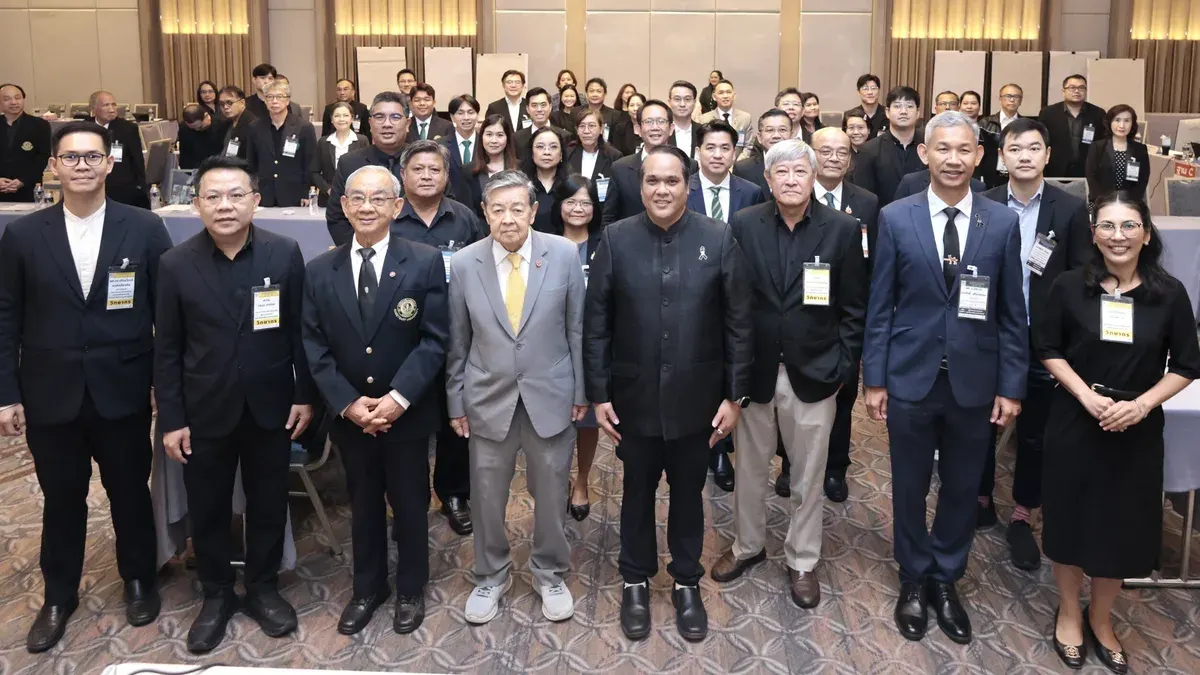
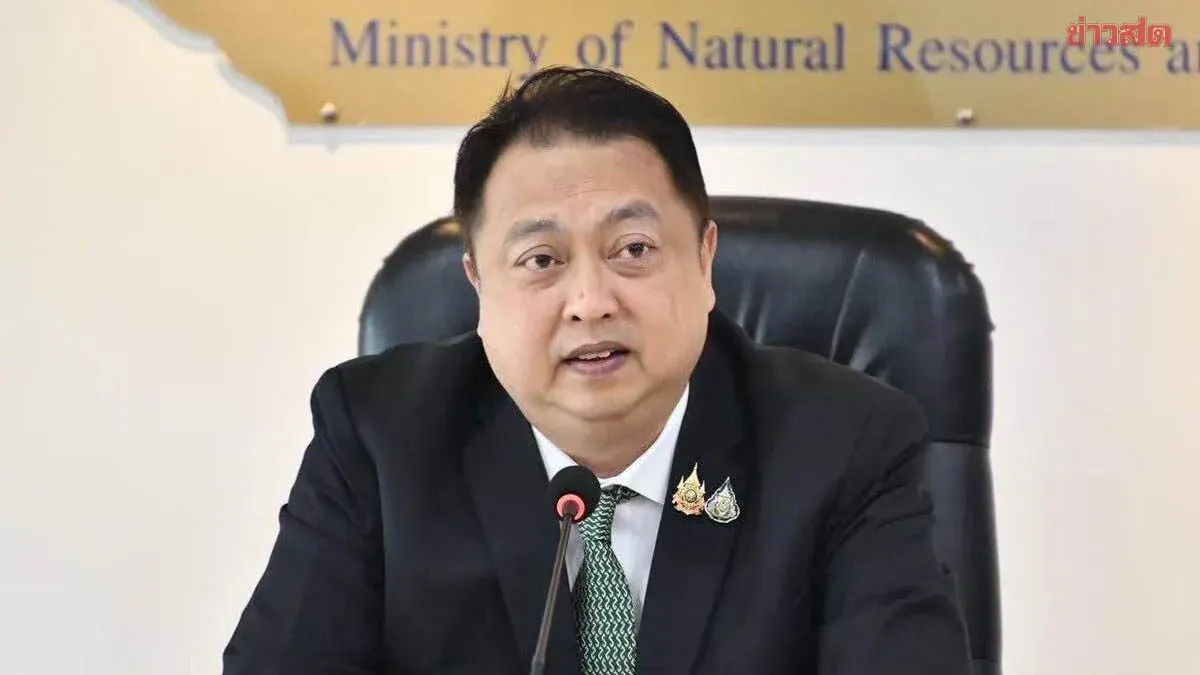
Thailand's Deputy Permanent Secretary of the Ministry of Higher Education, Science, Research and Innovation outlined the future of Thai higher education and backed Kasetsart University's strategic planning for sustainable development and global competitiveness. On July 15 at the Ashvinn Grand Convention Hotel in Bangkok, Dr. Phan Perm Sak Karunee chaired the opening ceremony of the "Kasetsart University 20-Year Foresight and Future Projection Study (2028-2047)" and delivered a keynote address on "Megatrends and the New Higher Education Landscape: Impacts on Kasetsart University." The event was attended by Assoc. Prof. Dr. Kongsak Thiangtharm, acting rector of Kasetsart University, along with over 50 executives and experts from higher education institutions, government agencies, and the private sector.
Dr. Phan Perm Sak Karunee said that higher education institutions worldwide are facing major transformations driven by digital technology advances, demographic shifts, and climate change impacts, all of which affect universities' roles and future direction. Development planning must therefore rely on systematic foresight coupled with readiness for uncertainty, enabling higher education institutions to adapt efficiently, produce quality graduates, create knowledge and innovation that address national development needs, and sustainably strengthen the country's competitive capacity.
The Deputy Permanent Secretary added that the ministry prioritizes strategic foresight processes to help institutions identify long-term opportunities and challenges, and design flexible strategies responsive to rapid change. Key mechanisms include clustering higher education institutions by expertise to eliminate redundancy, build specialized excellence, allocate resources efficiently, and align education management with future industry and labor market needs. Currently, over 111 institutions participate, divided into five main groups: Global and Frontier Research, Technology and Innovation, Area-based and Community Development, Human Resource Development, and Degree and Non-Degree Skill Development. The ministry also drives the Higher Education Sandbox curriculum initiative to remove curricular standard constraints, promote direct collaboration between institutions and employers, and create flexible, modern curricula producing skilled graduates matching national needs.
Dr. Phan Perm Sak Karunee further noted that the ministry established a "Higher Education Development Fund" as a key mechanism for reforming the system, supporting faculty development, curriculum advancement, and student competency development aligned with industry and national development goals. The fund also promotes research, innovation, and quality specialized workforce production to boost national competitiveness and guide Thailand toward high-income status, moving beyond the middle-income trap.