Kanchanaburi Elderly Care Center Found Holding 92 Psychiatric Patients
KANCHANABURI — 6 October 2026, Thailand’s Department of Health Service Support (DHSS) has found that an elderly care center in Tha Muang district, Kanchanaburi, was operating beyond the scope of its license, with 92 psychiatric patients among around 100 people under its care. Dr. Phuwadet Surakot, director-general of the DHSS under the Ministry of Public […]
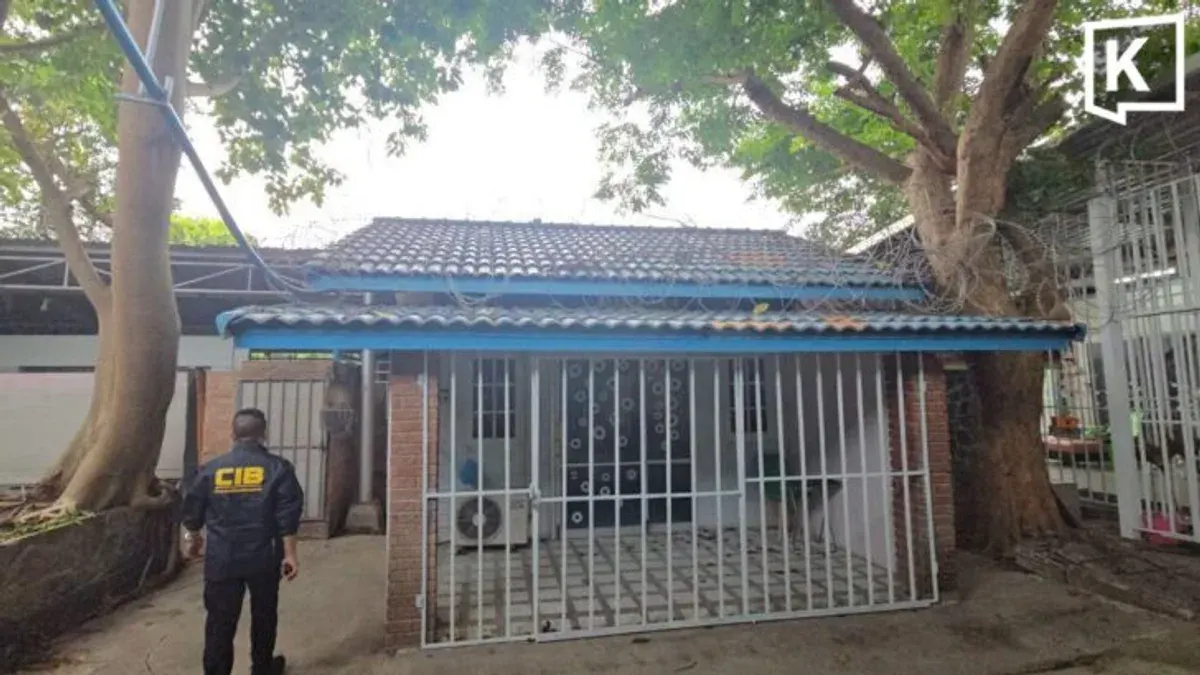
KANCHANABURI — On 6 October 2026, Thailand’s Department of Health Service Support found that an elderly care centre in Tha Muang district, Kanchanaburi, was operating beyond the scope of its licence, with 92 psychiatric patients among around 100 people under its care. Dr. Phuwadet Surakot, director-general of the DHSS under the Ministry of Public Health, said authorities had completed an initial inspection after complaints were filed against the facility. The centre had been licensed as a care facility for elderly people and dependent persons with a capacity of 50 beds. However, inspectors found around 100 elderly people and patients under its care, including 92 psychiatric patients. The inspection followed a complaint raised on the Thai television programme Hone Krasae on 5 October. Following the complaint, Central Investigation Bureau officers visited the facility together with the Hone Krasae team. Authorities reportedly found metal fencing resembling cages around parts of the facility, including outside areas, with concertina razor wire attached to some fences. Metal cages were also reportedly installed around and secured to several beds used by elderly and dependent patients. Under regulations, elderly and dependent care centres may look after psychiatric patients only if their condition is classified at the “green” level, meaning they do not exhibit severe agitation, cause serious disturbance or pose a risk of harming others. The Department of Mental Health will send officials to assess the mental health conditions of the psychiatric patients at the centre. Anyone found to have symptoms beyond the permitted level will have to be transferred to an appropriately licensed medical facility. Patients who meet the permitted criteria but whose families no longer wish them to remain at the centre can also be taken home or transferred elsewhere at their families’ discretion. Dr. Phuwadet said authorities are considering three possible outcomes following the inspection. If the centre is found to be operating illegally, its licence could be revoked. If it is found to have violated official standards or regulations, authorities will order corrective measures, with a temporary suspension of the licence possible if the problems are not addressed. If no legal or regulatory violations are found, the centre could continue operating normally. However, the initial inspection found several areas that did not comply with required standards or differed from the facility’s approved plans. These included the number of people under care and modifications to the buildings and facilities. Inspectors also found beds fitted with metal bars or cages over the top. The centre’s owner reportedly said the structures were intended to protect patients who occasionally become severely agitated and may be at risk of harming themselves. Authorities from the relevant agencies will now jointly assess the findings and determine whether the centre has violated any laws or regulations.