Thailand Opens Marine Knowledge Hub to Boost Sustainable Seas
Thailand’s Ministry of Natural Resources and Environment launched the Department of Marine and Coastal Resources’ Knowledge House to promote sustainable marine management. Permanent Secretary Dr. Rawiwan Phongdej unveiled the 2027 fiscal year policy, awarded Sea Guardian honors, and called for cross‑agency and public cooperation to protect fisheries, tourism, and coastal ecosystems. Officials stressed the need to combat climate impacts, illegal mangrove clearance, and pollution while boosting community livelihoods and marine tourism.
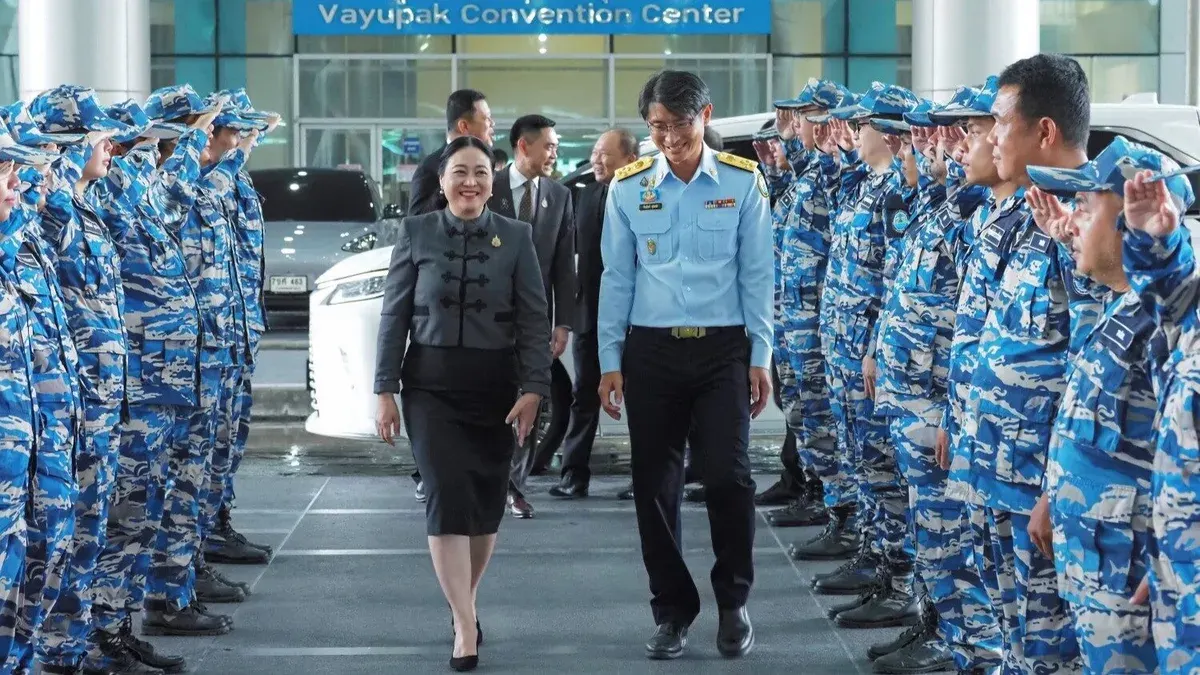
The Permanent Secretary of the Ministry of Natural Resources and Environment said marine and coastal resources are vital natural capital for the country's economy, society, and environment, especially fisheries and tourism that generate income and support livelihoods. Work must deliver tangible results that people can feel on the ground, in line with Minister Suthichai Chomklin’s policy under the “Thai Happiness” concept, which calls for linking personnel, data, and resources across agencies to move in the same direction and to intensify the prevention and suppression of mangrove encroachment while enforcing the law strictly.
He urged agencies responsible for forest protection to carry out their duties with the true spirit of resource guardians, upholding correctness and fairness for all parties, while promoting public participation in safeguarding coasts, mangroves, rare marine life, expanding artificial reefs, developing natural tourism attractions and services, and implementing zoning that opens space for private‑sector involvement and raises safety standards. He also urged accelerating the allocation of community land (CT) so people can legally earn a living and reside, and pushing the One Map initiative to unify forest‑area boundaries among agencies and clearly demarcate island limits between the Forestry Department and the Department of Marine and Coastal Resources.
“Caring for Thailand’s sea is not the duty of any single agency but a shared responsibility of all sectors,” the Permanent Secretary said. “Building cooperation and opening opportunities for public participation is the key to successful marine and coastal conservation, so Thailand’s seas remain abundant, a source of food, income, and natural heritage for future generations.”
DMCR Director‑General Dr. Pinsak Suwannawadee added that marine and coastal resources currently face challenges from climate change, rising sea temperatures, coral bleaching, coastal erosion, and marine pollution, making it necessary to upgrade management practices to keep pace with the situation.