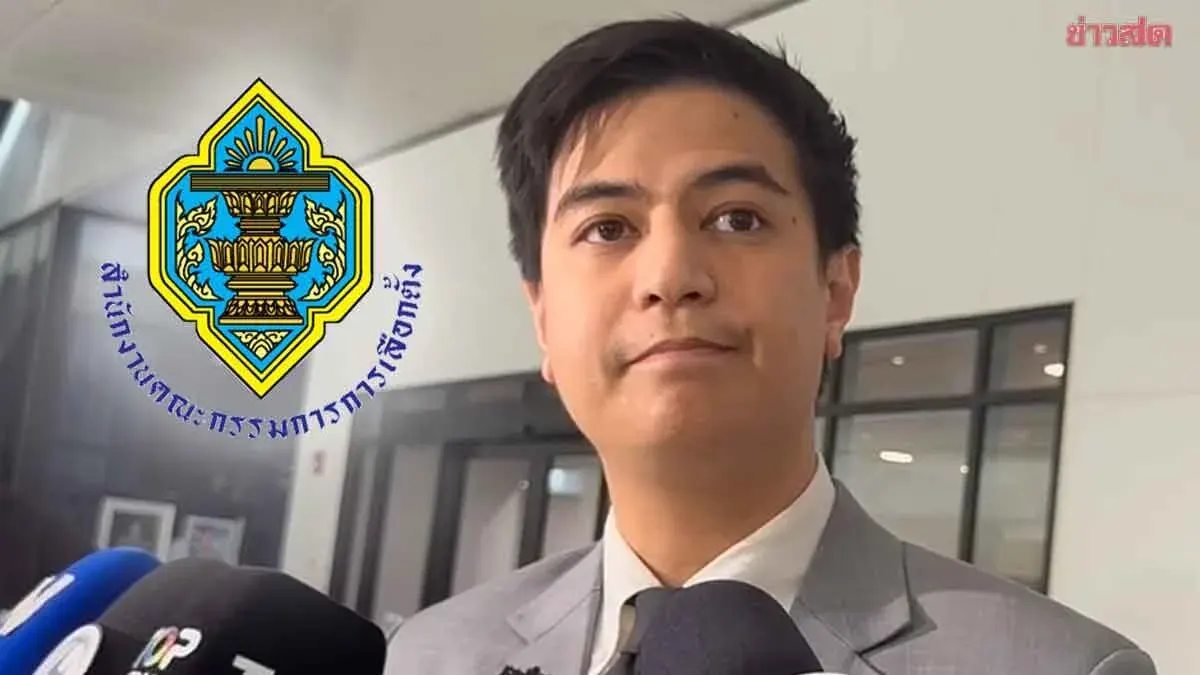
Election Commission's Senate Fraud Case Ruling Seen as Political Test
The Election Commission's decision on alleged Senate election fraud by September 14 will test whether Thailand's independent agencies can act free from political pressure amid concerns they lack both independence and public accountability.

On September 12, 2569, a parliamentary committee held a seminar titled "Monitoring Independent Agencies' Role in Thailand's Political Crisis" at Parliament. Deputy Pheu Thai leader Pricha Wacharasindhu addressed the Election Commission's handling of the Senate election fraud case, noting that an originally planned September 14 announcement may not now take place. If true, he said, the Commission would be avoiding accountability, and all eyes should be on that date to see whether the public learns the outcome of an ongoing investigation.
Pricha outlined two major problems with independent agencies over their 20-year history, worsened by the 2560 Constitution. First, independent agencies cannot truly remain independent from political interference, as the 2560 Constitution allows the Senate to select their members. Previously, though Senators faced claims of political interference, they remained accountable to the public. Now, Senators are neither independent nor accountable to the public, selected through an opaque internal process that the public cannot influence. Second, independent agencies operate independently of the public, leaving citizens powerless if dissatisfied. The 2560 Constitution stripped both parliamentary mechanisms for removing malfeasant independent agencies and public petition-driven removal processes.
He likened the alleged Senate fraud to a blue virus infecting the nation's political body. If the fraud occurred, one political faction exploited constitutional loopholes to capture independent agencies. The infection began with the Senate election in 2567; delays in investigation have allowed the virus to spread further, as the current Senate approves appointments to the Constitutional Court, the National Anti-Corruption Commission, the State Audit Office, and the Election Commission. September 14 represents an opportunity to administer a vaccine to stop viral spread, but only if the Election Commission acts. If it dismisses all charges, the virus will mutate and become vaccine-resistant, undermining future remedies for electoral fraud.