Phiset Warns Election Commission Must Prosecute 229 in Vote-Buying Case
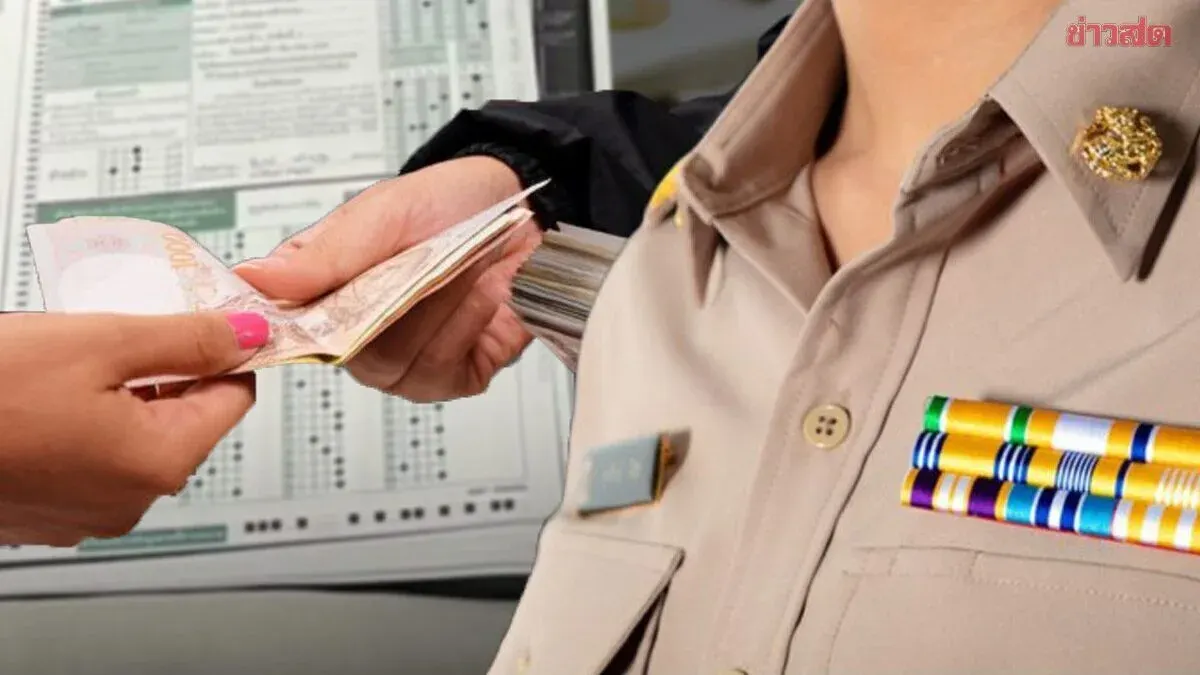
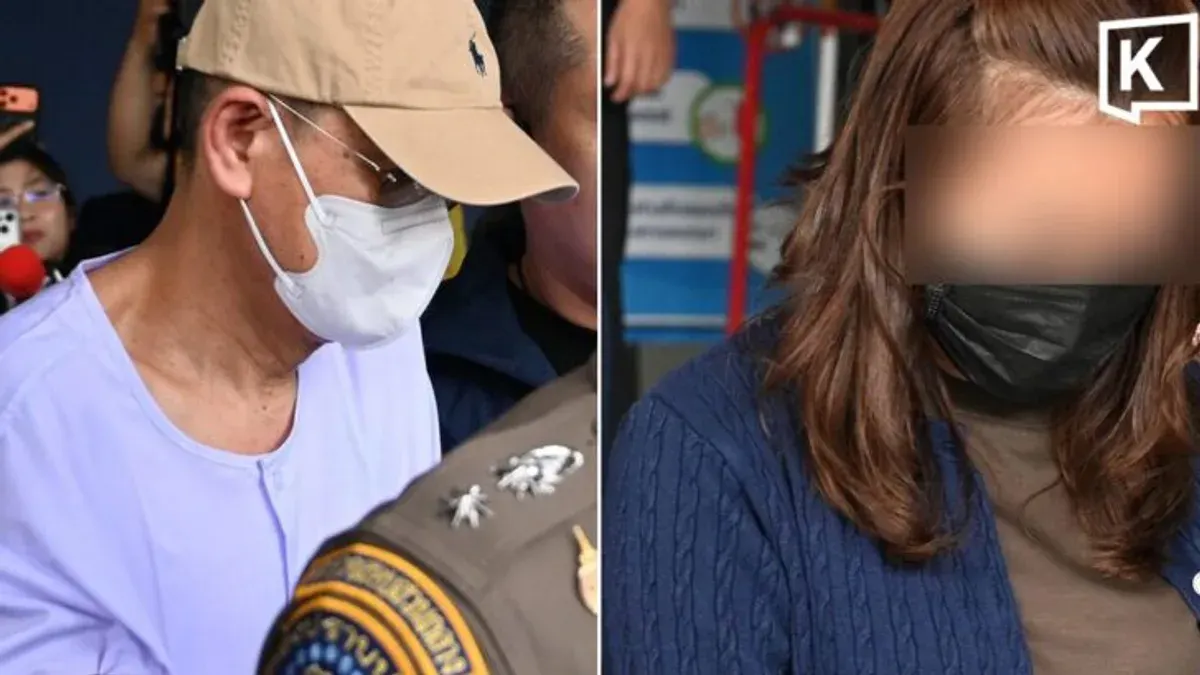
Democrat MP Phiset Wachrasindhu demands the Election Commission prosecute all 229 suspects in a parliamentary vote-buying case on September 14, citing substantial evidence of organized operations and financial trails far exceeding standards
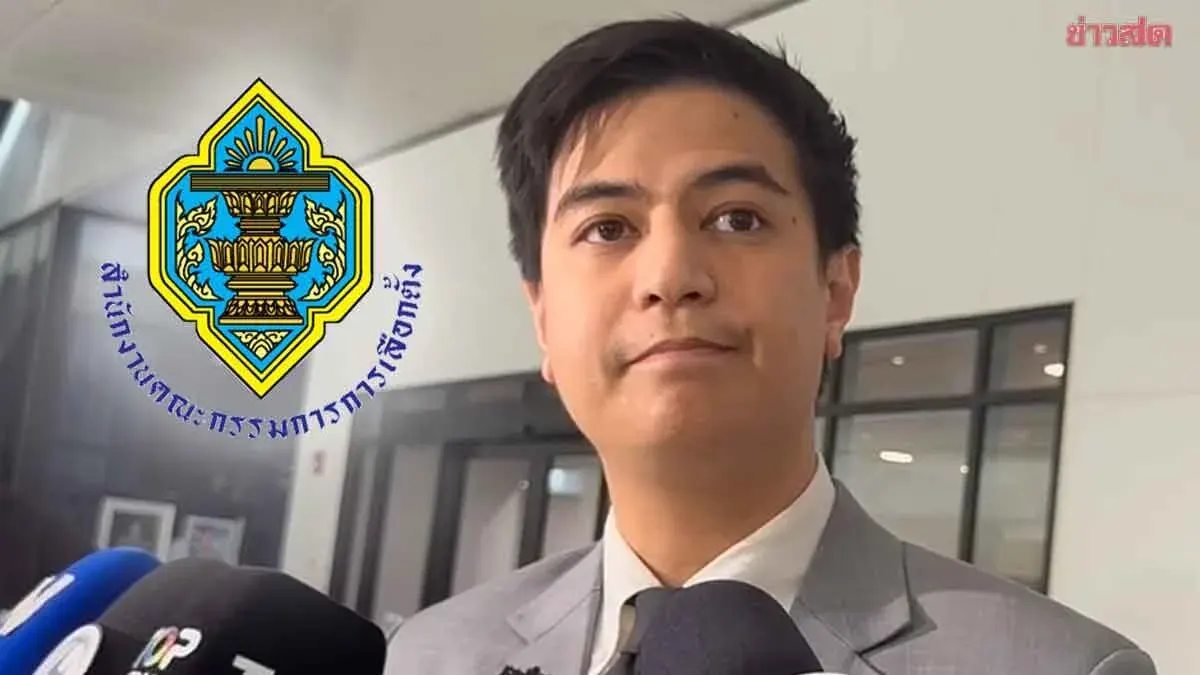
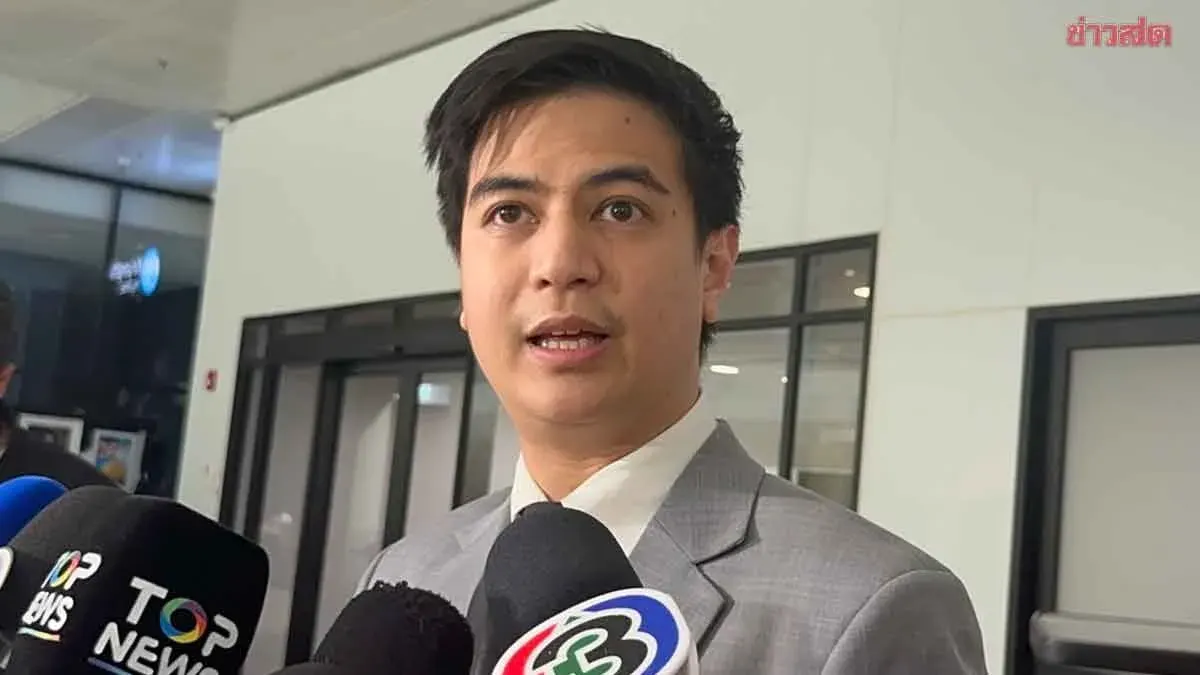
At 12:50 p.m. on September 12, 2569, at parliament, Phiset Wachrasindhu, a Democrat Party list MP, discussed political developments ahead of the Election Commission's decision on whether to prosecute suspects in the parliamentary vote-buying case on September 14. He confirmed the Democrat Party's unchanged demand that the Commission prosecute all 229 accused individuals according to the 26th investigation committee's recommendation to the Supreme Court. Although the recommendation does not conclusively prove guilt, he argued the Commission should refer the case to court and let it determine the facts and identify who among the 229 committed vote-buying offenses.
Phiset cited two reasons the Commission should prosecute. First, on evidence: comparing to past cases where the Commission prosecuted based on only a few chat messages suggesting vote exchanges without even monetary offers, the evidence against the 229 suspects—involving organized operations, financial trails, meeting logistics, polling instructions used on election day—is far more substantial. Second, he noted that at least four of seven Election Commissioners have conflicts of interest, having been endorsed by the current parliament while being accused in this case, and questioned whether the other three commissioners without such conflicts shared their views and voted consistently.
When asked if civil society and the Democrat Party activities constitute pressure on the Commission, Phiset responded that lawmakers and citizens calling on independent agencies to perform their legal duties is not wrong. He stressed they are not demanding illegal action but are concerned the Commission may act improperly or apply different standards across cases. He defended their awareness campaigns and oversight as basic parliamentary duties.
Regarding leaked documents allegedly contradicting a witness's testimony, Phiset questioned whether to call them "leaked" or "released," noting they happen to align with Bhumjaithai Party MPs' earlier statements. He argued the vote-buying evidence is extensive and diverse, not dependent on a single witness. Even if the witness recanted, he said, it would not erase the substantial evidence from hundreds of other witnesses, financial records, call logs, polling instructions, and vote counts matching the instructions. He added that the witness from Khon Kaen gave testimony twice—first unfavorably to Bhumjaithai, then recanting in a way favorable to them.