Ex-Justice Minister Denies Interfering in Senate Impeachment Case
Former Justice Minister Tawee Sodsong denied allegations he interfered in a Senate impeachment case, stating that only specialized committees and the anti-corruption commission have authority over case classification and witness immunity de
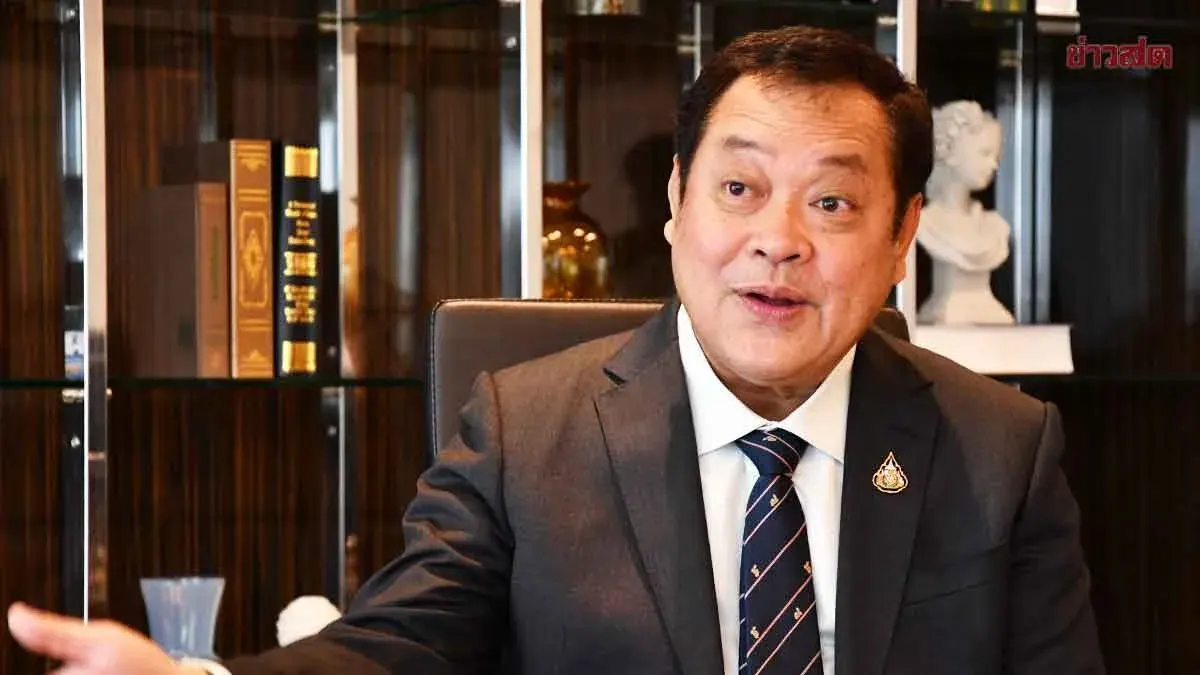
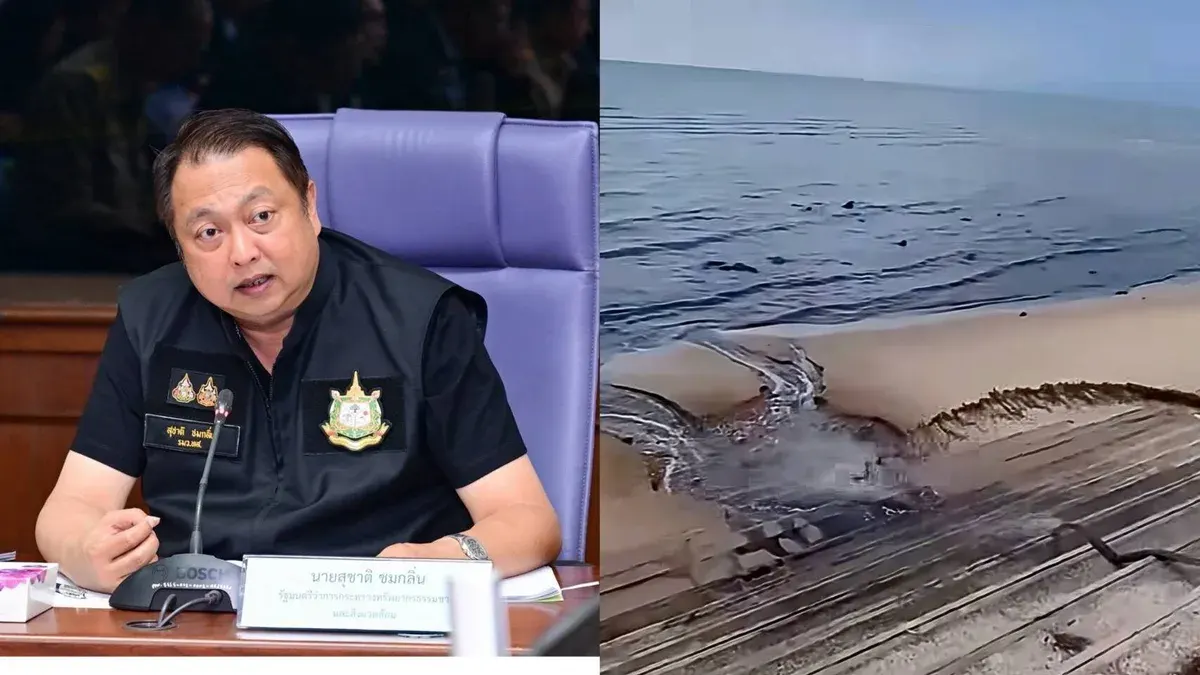
On September 14, 2025, Pol Lieutenant Colonel Tawee Sodsong, leader of the Prachacha Nut Party and former Justice Minister, posted a statement through Facebook addressing recent media reports alleging that the DSI and the former Justice Minister deliberately classified the Senate impeachment case as a special case and threatened witnesses to provide information in exchange for immunity from prosecution.
Sodsong denied these allegations, emphasizing that the decision to classify a case as special is made solely by the Special Case Committee, a panel comprising more than 20 experts and senior officials including the Deputy Prime Minister as chair, secretaries of multiple ministries, the National Police Commissioner, the Bank of Thailand governor, and respected academics. He stressed that witness immunity is the exclusive power of the National Anti-Corruption Commission under the 2016 Organic Act on Methods for Acquiring Senate Members and the anti-corruption commission's regulations on witness immunity established in 2020.
Sodsong pointed out that the Special Case Committee had determined that the case involved money laundering with an estimated value exceeding 300 million baht, which falls under the jurisdiction of the DSI. He noted that it would be impossible for any single official to manipulate the committee's decision, and that spreading such allegations effectively discredits all committee members.
Regarding the allegation that DSI officials coerced witnesses to testify against others in exchange for immunity, Sodsong clarified that only the National Anti-Corruption Commission has the authority to grant witness immunity. The DSI's investigative committee can only submit recommendations with supporting reasons. He also recalled that in January 2025, the Constitutional Court had ruled that he, as Justice Minister at that time, had not ordered, dominated, or interfered with the National Anti-Corruption Commission's or the investigative committee's work, and that he had not violated ethical standards in a manner serious enough to warrant removal from office. He emphasized that this Constitutional Court ruling is binding on all state organs under Article 211 of the Constitution.