Deputy PM Proposes Fast-Track Service Fees to Boost Government Efficiency
Thailand's deputy PM proposed introducing fast-track service fees for expedited government services, with revenue used to improve efficiency and reduce corruption incentives. The government aims to streamline civil service processes rather

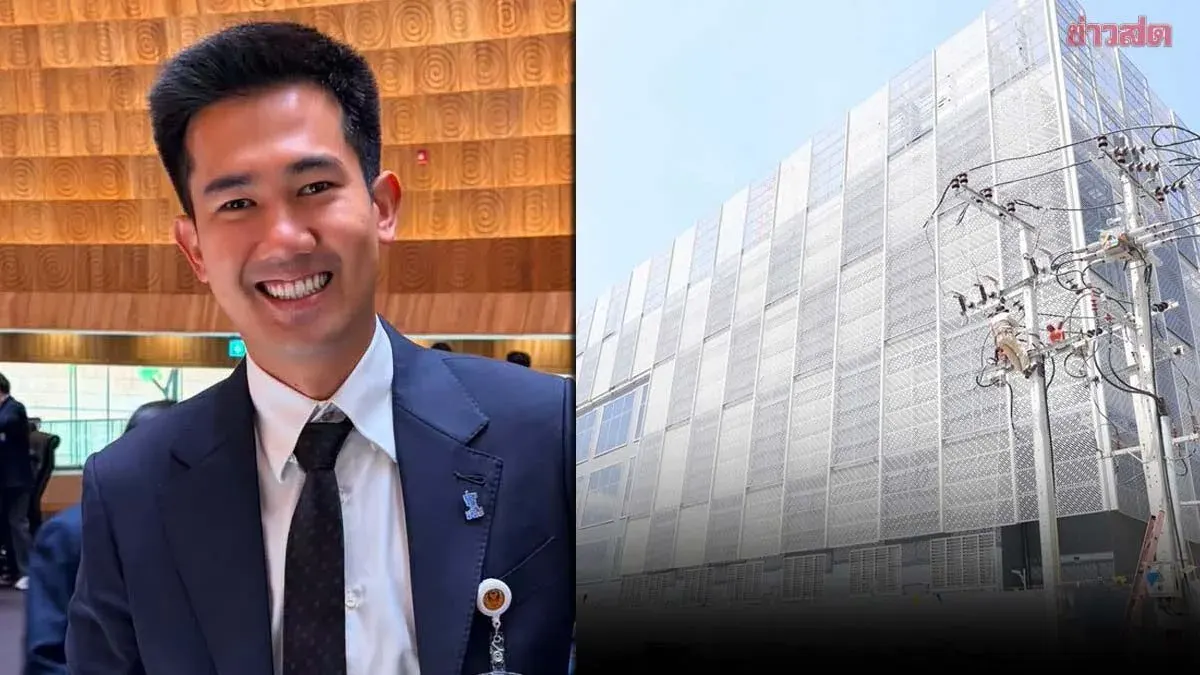
On September 5, 2025, Deputy Prime Minister Pakorn Nilprapath announced a strategy to introduce fast-track service fees for citizens requesting expedited government services, with revenue reinvested into system development and reduced incentives for unofficial payments. Speaking on the NBT Television program "Chat with PM Anuthin," Pakorn explained the government's shift from the term "civil service reform" to "improving civil service efficiency," noting that reform efforts have long carried associations with failure.
Pakorn stated that the immediate priority is implementing concrete changes to government work processes. Past reform attempts typically ended at the committee and policy-planning stage without fundamentally altering how the public sector operates. The country currently faces multiple challenges including global trade volatility, international sanctions, climate change, flooding, landslides, extreme heat, and wildfires, as well as an aging society and declining birth rates. Meanwhile, neighboring countries are restructuring their governments to increase competitiveness.
A critical factor, according to Pakorn, is the country's budget structure, with recurring expenditures at approximately 73 percent while investment spending stands at about 20 percent. By reducing recurring costs and improving government efficiency, the nation could reallocate investment spending from 20 percent to 30 percent, providing more resources for development and future challenges.
Pakorn emphasized that civil service improvements should not begin with workforce reductions but rather by examining each agency's functions, necessary processes, and opportunities for technological integration. "I'm not saying we'll cut staff," he clarified. "It's about improving efficiency." He cited the Prime Minister's Office as an example, where processes were reduced from approximately 170 to fewer through technology adoption and workflow reforms during the COVID-19 pandemic.
Regarding structure, Pakorn argued against creating new departments, divisions, or committees for each new government task. Instead, the government should form teams by drawing personnel from multiple departments to work collaboratively, reducing layers of management and increasing agility in problem-solving. The public sector's approximately 3 million employees should not be managed under a single personnel system, as teachers, doctors, nurses, police, and other professionals have different job characteristics, schedules, and responsibilities. Each profession should be evaluated based on workload and the quality of results citizens receive.
Pakorn also stressed the importance of advancing digital government toward an open government model, where government data is structured in formats readable and usable by computer systems.