Former Constitutional Court Chief Regrets Senate Self-Selection System
Former Constitutional Court chief Nakharin Mektrai warned that Thailand's Senate self-selection system undermines democracy, expressing deep concern over low public trust in elections and uncertainty about the nation's political future.

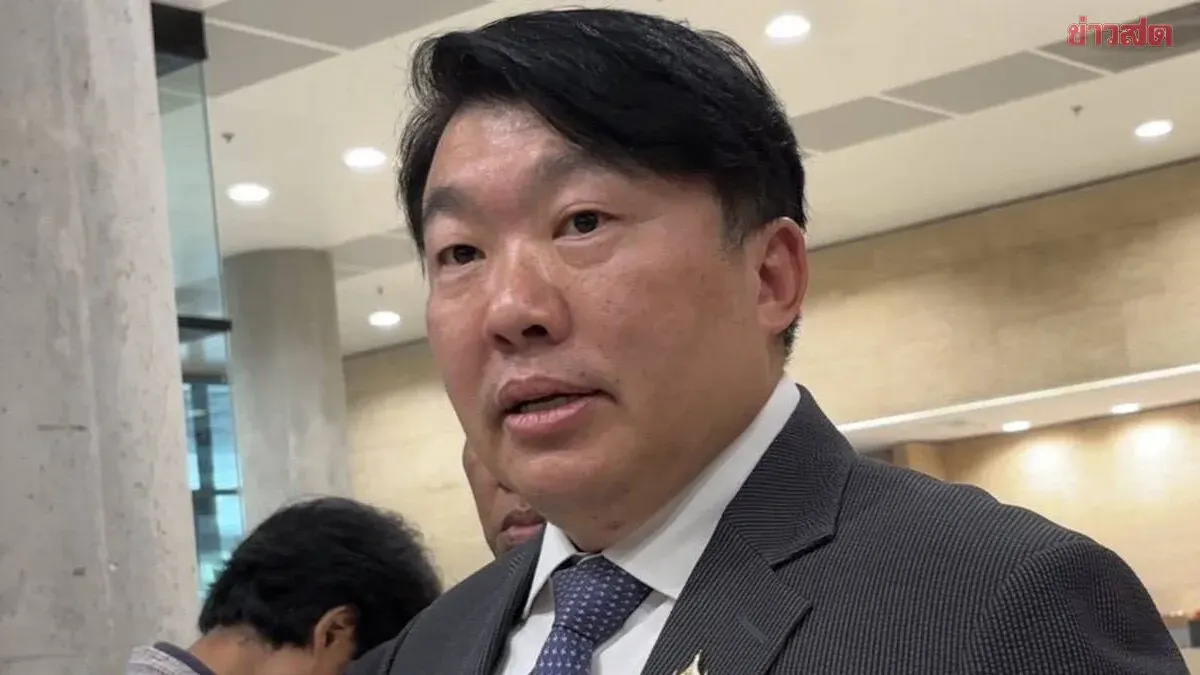
Former Constitutional Court President Nakharin Mektrai revealed that the head of the National Broadcasting and Telecommunications Commission in 2017 expressed the deepest regret over a mistake that led to the Senate's self-selection system, warning that Thailand's political future remains uncertain and cautioning that public trust in the Election Commission is dangerously low. He emphasized that any new constitution must belong to all Thais, not just serve narrow partisan interests.
On September 7, 2025, at the National Defence College, Nakharin delivered a special lecture on "Thai Politics and Society for the Future" to students from the Royal Thai Armed Forces Colleges program batch 68. He discussed how the appointment of heads to independent agencies has become unstable and legally problematic, citing examples including the National Broadcasting and Telecommunications Commission and the National Anti-Corruption Commission, where Royal endorsement of appointees has been delayed.
Nakharin stressed that the Senate's legitimacy is undermined by its self-selection system—an unprecedented model never used elsewhere. Public confidence in both the Constitution and political institutions remains dangerously low, particularly regarding election management and the Election Commission. He expressed uncertainty about whether the February 8, 2025 referendum on drafting a new constitution was conducted freely, and warned of legal and political obstacles to implementing its results.
He cautioned that Thailand's political future is murky and unpredictable, with potential for sudden upheaval or slow accumulation of frustration that offers neither progress nor retreat. Blocked expectations could fuel aimless demands for change, destabilizing the political landscape. He warned that Thai political society risks declining further, with cross-community cooperation becoming difficult and forcing reliance on shadowy, underground, or illegitimate power structures to advance within society.
Nakharin outlined how political society is held together by various forms of power—legal, constitutional, informational, traditional, religious, administrative, raw, and coercive force—requiring groups to organize politically. He expressed hope for peaceful and orderly institutional transition but warned: "If we cannot manage this transition smoothly, things will fall apart and conflicts will erupt." He then opened the discussion to student questions, and when asked whether the new constitution risks becoming a "blue" or "dark blue" constitution serving partisan interests, Nakharin began to respond but the text cuts off.