Ex-Court Chief Says Senate Selection System Is Flawed
A former Constitutional Court chief says the Senate's self-selection system is a fundamental flaw that the 2560 Constitution drafting committee now regrets, undermining public trust in the institution and complicating efforts to resolve cur
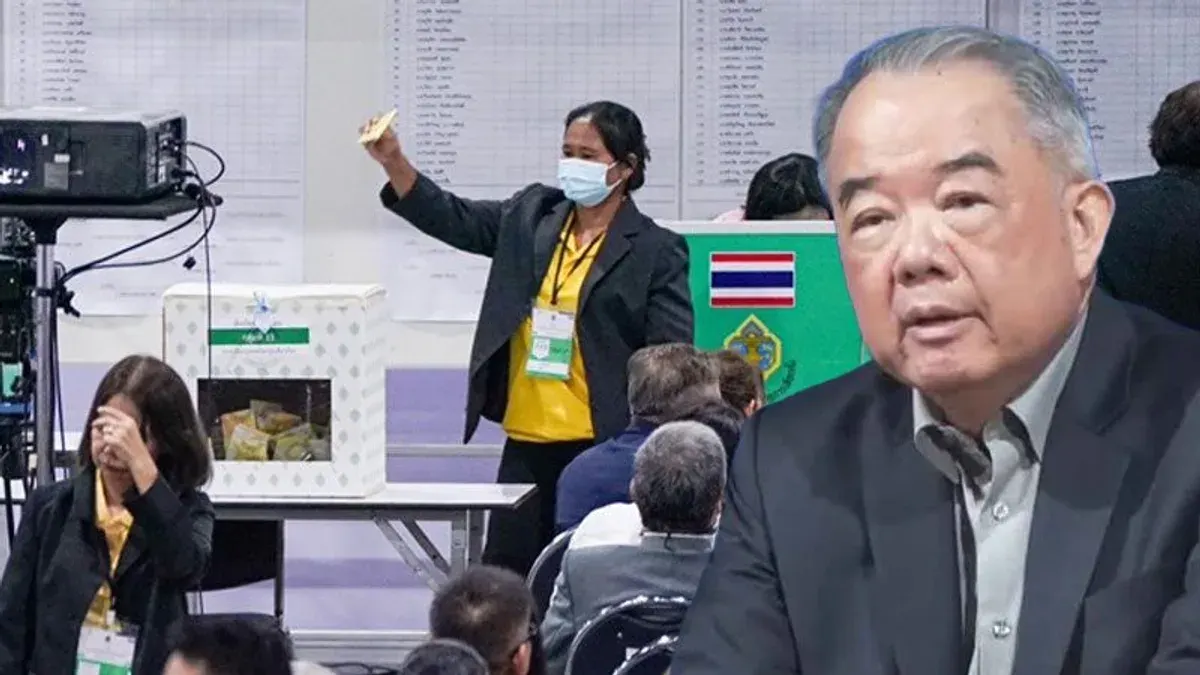
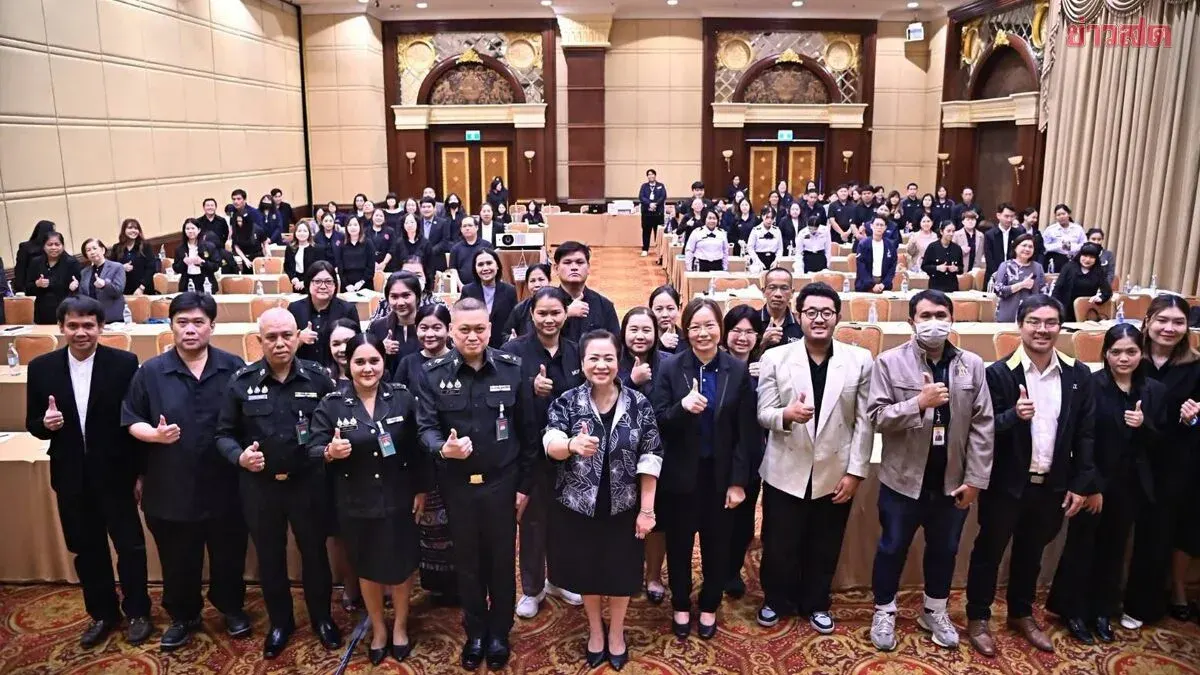
Nakharin Mektrirattana, former president of the Constitutional Court, delivered a special lecture on Thai politics and society at an academic forum organized by students in the Realm Protection curriculum. His lecture addressed independent agency appointments, constitutional amendments, and political institutions. Nakharin stated that independent agency appointments undergo constant changes, lack certainty, and create multiple legal problems. Regarding the constitutional referendum for drafting a new constitution, despite majority approval, legal and political obstacles remain about how it will lead to a new draft. The former court president also noted that the constitution and political institutions suffer from low public acceptance and trust. For example, public confidence in the Election Commission is quite low, while the Senate's use of authority has limited legitimacy due to the system of senators selecting themselves—an unprecedented self-designed system never used before. On the Senate selection issue specifically, Nakharin revealed he knows the 2560 Constitution drafting committee chairman, who expressed deep regret about one matter: the Senate selection system was the committee's greatest mistake. Having designed it this way, they must accept the resulting consequences. Nakharin's remarks highlighted problems with the constitution, independent agencies, low public trust in the Election Commission, and the unprecedented self-selection system for the Senate. The 2567 Senate election and related high-profile political cases currently draw intense scrutiny from all sectors. The Election Commission's seven members are in final consideration of whether to forward cases to the Supreme Court, amid calls to prosecute all 229 accused persons. However, the underlying problem remains: given the constitutional flaws and the drafting errors Nakharin identified, will these obstacles prevent a just resolution of Senate-related cases? Or, having designed the Senate system this way, must they continue accepting such consequences—which is certainly not ideal.