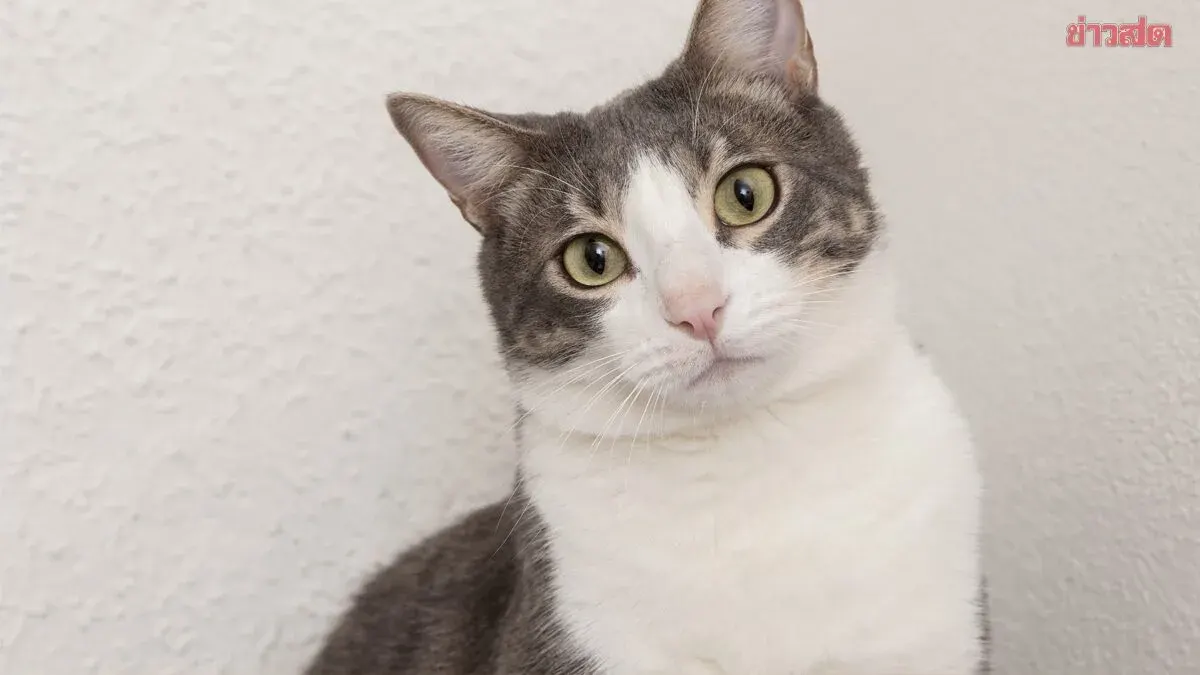
Cats show they've accepted you as family through three key behaviors: displaying natural activities without fear, adjusting their routines to match yours, and developing better communication and understanding with you over time.
Experts reveal three key behaviors that show your cat trusts you and accepts you as family, along with tips to win over your feline friend.
Bringing a cat into a new home requires patience, as each cat adapts at its own pace. Some cats are naturally outgoing and explore new surroundings within days, while nervous cats or those with difficult pasts may need weeks or months to feel safe and reduce their wariness.
So how do you know when your cat begins to open up and accept you as family? The Japanese pet information website Nekochan Honpo has compiled three key signs that indicate a cat is beginning to trust you and see you as family:
1. Showing their true nature without suspicion
One of the clearest signs is when a cat begins to display natural behavior. When first moving to a new home, most cats hide in cages, under sofas, or in corners—some may even refuse to eat or drink because they feel unsafe. But once your cat trusts you and becomes familiar with the environment, it will freely explore the house, use the litter box without worry in front of you, and may even roll on its back to show its belly—the most vulnerable part of its body—indicating it feels safe and no longer needs to be on guard.
2. Adjusting routines to match yours
Cats are naturally active at dawn and dusk, but when living with humans for extended periods, they gradually adjust their behavior to fit your schedule. For example, when it's feeding time, your cat will sit by its bowl regularly, or when it sees you preparing for bed, it may quickly use the litter box before following you to sleep as a companion. Some cats even wait by the door for you to return home.
3. Better communication and understanding
As you spend more time together, both owner and cat typically develop greater understanding. You can distinguish different "meow" tones and what they mean—whether affection, food requests, or an invitation to play. Similarly, your cat learns your familiar voice tones and words, and responds appropriately when hearing familiar phrases.
Experts note that when owner and cat communicate naturally and understand each other with minimal need for gestures, it signals that your cat has accepted you as an important family member and has formed a strong bond.