Guide to Choosing and Using Artificial Tears Safely
This health guide explains the composition, benefits, and proper usage of artificial tears for relieving dry eye symptoms. It covers precautions such as avoiding contamination, checking expiration dates, and when to consult an ophthalmologist for serious eye issues.
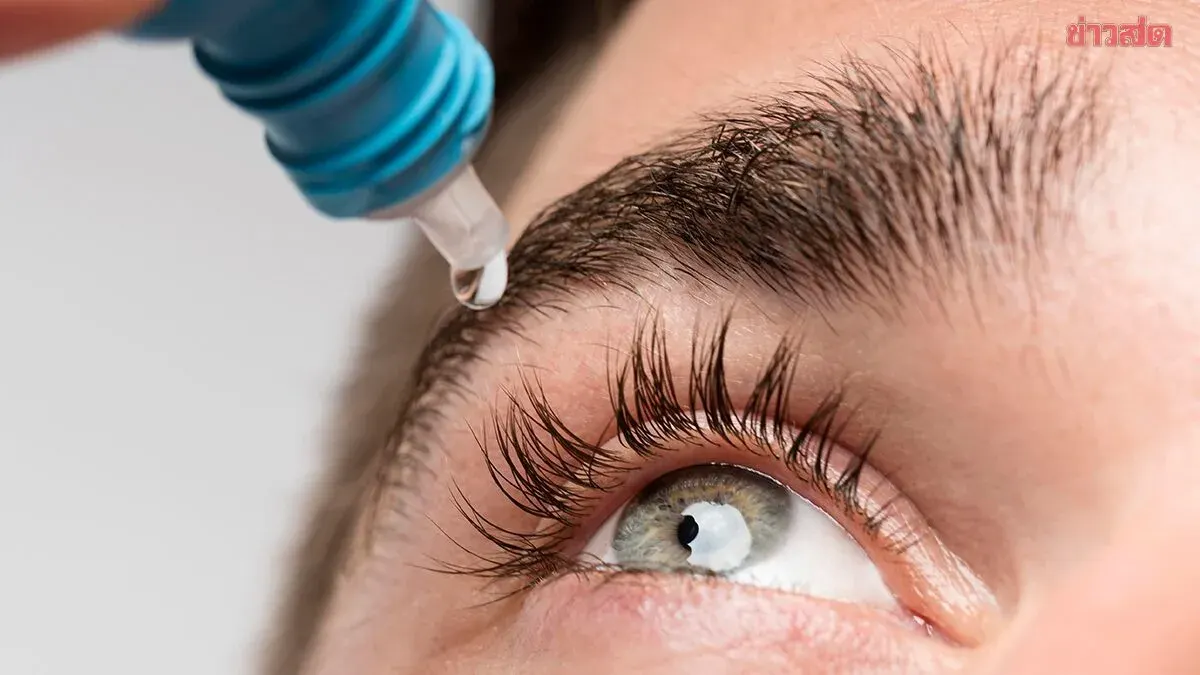
Learn the benefits of artificial tears for eye hydration, along with precautions and safe storage methods.
Many people are familiar with artificial tears, especially those who wear contact lenses regularly and may suffer from dry eyes requiring hydration products. Because artificial tears contain ingredients that mimic natural tears, they help relieve dry eye symptoms, stinging, or irritation caused by contact lens wear, prolonged screen viewing, dry weather, and dust.
What are artificial tears made of? The main ingredients include viscosity agents such as Sodium Hyaluronate and Carbomer, which help retain moisture on the eye surface. They also contain electrolytes to balance the solution close to natural tears. Some formulas may include preservatives to extend shelf life.
Benefits of artificial tears Artificial tears increase eye surface hydration, relieve dryness, stinging, and irritation from insufficient lubrication. They also help flush out dust or small foreign particles that enter the eye. These products are suitable for people who use screens for long periods, contact lens wearers, the elderly with reduced tear production, and those needing post-surgical or post-LASIK care per an ophthalmologist's advice. They are also helpful for those in dry, dusty, or windy environments that can trigger dry eye and irritation.
Precautions when using artificial tears Use as directed on the label or by a doctor. Do not share the product with others. Avoid touching the bottle tip to the eye or any surface to prevent contamination. Before each use, check the ingredients, expiration date, and the usable period after opening. If allergic reactions or irritation occur after application, stop use immediately.
Correct way to apply artificial tears Wash hands thoroughly before use. Read the label, check the expiration date and product instructions. Tilt head back slightly. Use a finger to pull down the lower eyelid to create a pocket. Apply 1 drop, taking care not to let the bottle tip touch the eye, eyelashes, or skin. Close eyes for about 1–2 minutes to allow the product to spread across the eye surface. Use a clean cloth to blot excess liquid, then close the cap tightly.
How to store artificial tears Store in a cool, dry place away from sunlight or heat. Close the cap tightly after each use. Check the label for whether refrigeration is required. The usable period after opening varies by formula and manufacturer. Preserved artificial tears may last about 30 days after opening. Preservative-free single-use types should be discarded immediately after use and not reused unless the label explicitly states otherwise.
When to see a doctor immediately? Although artificial tears relieve dry eye symptoms, seek an ophthalmologist promptly if abnormal symptoms occur: severe eye redness, eye pain, sudden blurred vision or vision changes, discharge, or abnormal tearing. Do not rely solely on artificial tears for relief.
Choosing artificial tears should consider symptoms, ingredients, and frequency of use, not just convenience. Combined with correct application and proper storage, this helps maintain eye hydration and reduce risks from improper use.
Source: Vibhavadi Hospital / Eye Bangkok Hospital Compiled by Khaosod Online News Team