Insurance Regulator Prepares Teams for Flood Claims After Waters Recede
Thailand’s insurance regulator is urging insurers to prepare staff and claims channels for a likely surge in flood damage reports as waters recede, promising payment within seven days when proof is clear. Policyholders are advised to prioritize safety, verify flood coverage, document damage with photos and videos, and avoid starting flooded vehicles. The regulator also outlined damage‑assessment levels for cars and noted special considerations for electric vehicles.
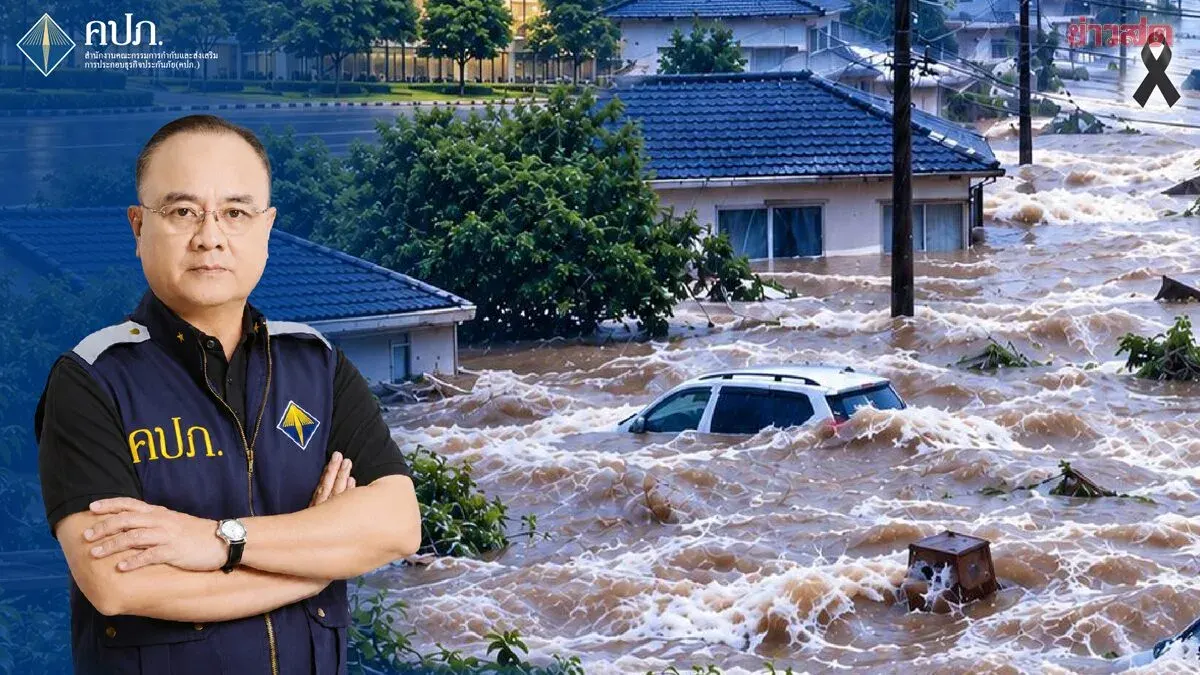
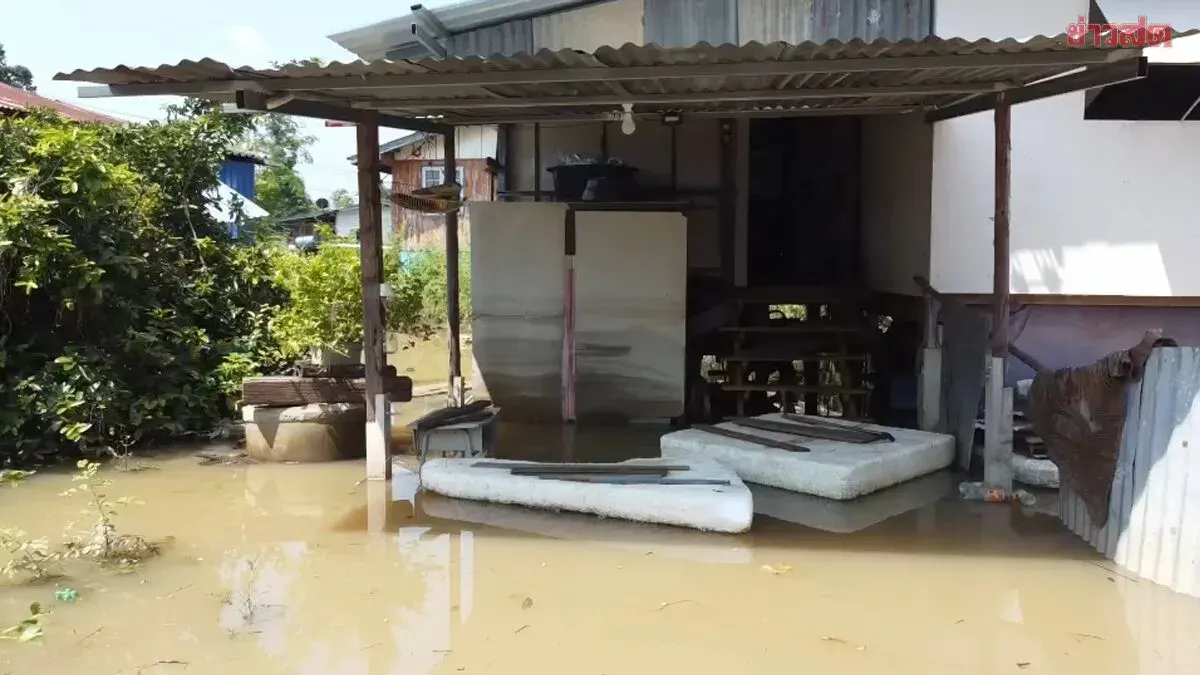
The Office of Insurance Commission (CIP) is accelerating its flood response, directing insurers to ready staff, claims assessors, and reporting channels to handle anticipated damage after floodwaters subside, and insisting that claims be paid within seven days when proof is clear. Secretary‑General Chusak Phanumphon explained the claim‑procedure for the public and policyholders affected by flooding. First priority is life and property safety—people should avoid entering still‑unsafe flooded zones just to take pictures or collect evidence. When conditions allow, they should verify their policy’s natural‑disaster or flood coverage and limits, notify the insurer, and document damage as much as possible. CIP has coordinated with insurers to prepare sufficient personnel, surveyors, claim hotlines, garage networks, and tow‑and‑lift vehicles to accommodate a possible surge in claims, especially for houses, residential buildings, and other property damaged by flood. Policyholders should check whether their policy includes natural‑disaster or flood protection and the insured sum. Once safe, they should take wide‑angle and detailed photos or video of the damaged area, plus close‑up shots of individual items such as structure, flooring, walls, furniture, or appliances, showing water levels or watermarks, and compile an itemised loss list before informing the insurer so an adjuster can inspect and assess the damage. CIP has urged insurers to promptly dispatch assessors to inspect vehicles, homes, and property, and to monitor inaccessible areas and act immediately when access becomes possible. For flood‑submerged cars, policyholders should first confirm whether their motor‑insurance policy covers flood damage—type 1 policies do, while type 2+ and 3+ require checking for added flood cover. Importantly, a flooded vehicle should not be started, as doing so may worsen engine, electrical, or internal damage. When it is safe to reach the vehicle, they should photograph or video its exterior and interior, including water level or watermark, then quickly notify the insurer with policy number, licence plate, location, and description of damage so the adjuster can be scheduled. For assessing damage to combustion‑engine cars, CIP uses five water‑level categories: Level A (water reaches the floor‑mat) – repair cost ≈ 8,000–10,000 baht; Level B (water reaches the seat) – ≈ 15,000–20,000 baht; Level C (water reaches lower console) – ≈ 25,000–30,000 baht; Level D (water reaches upper console) – ≈ 30,000 baht or more; Level E (vehicle fully submerged) – treat as total loss. Compensation follows policy terms. For electric vehicles (EVs), battery damage must be evaluated together with vehicle damage, taking into account each manufacturer’s specifications and model.