JIC Chief Urges UN to Fully Implement Border Joint Statement
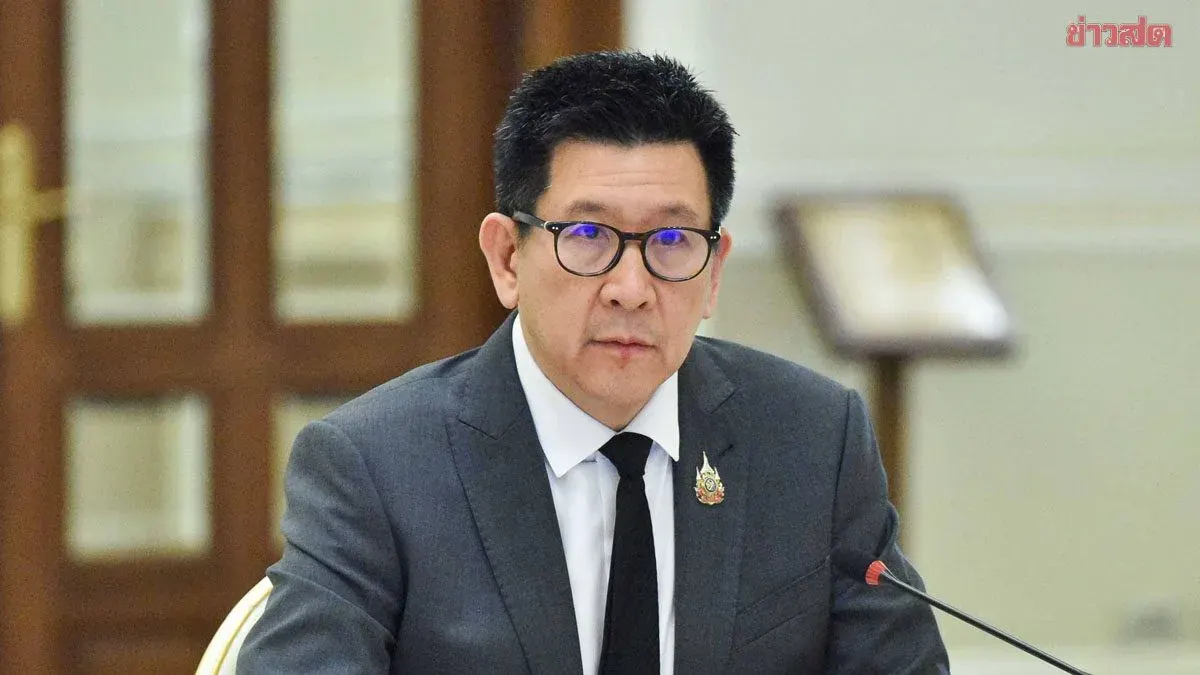
The director of the Thai-Cambodian Information Center (JIC) urged the United Nations to fully implement the Joint Statement from the General Border Committee, emphasizing that barbed wire and containers do not demarcate the border. He called for balanced consideration of both sides’ facts, reiterating that border disputes must be resolved through bilateral mechanisms and the Joint Border Committee, not by individual claims or external reports. Thailand stressed its defensive stance, requested UN neutrality, and appealed for cooperation on demining and border survey under existing agreements.

The director of the Thai-Cambodian Information Center (JIC) called on the United Nations to fully consider the Joint Statement issued by the General Border Committee (GBC) on 27 December 2025, warning against isolating the issue of refugee repatriation from broader security and border matters. He emphasized that the Joint Statement requires both sides to maintain their troop deployments and that any return of civilians must be safe and within their own territory, while the question of territorial sovereignty must be settled through bilateral mechanisms and the Joint Border Committee (JBC).
The JIC director warned that demands for Thailand to remove barbed wire, relocate containers, or alter security measures to allow access to disputed areas must be examined carefully, stating that “barbed wire is not a border line, containers are not border markers, and observers are not arbiters of the border.” He noted that the Joint Statement affirms that implementing the agreement does not affect border demarcation and calls for both parties to resume using the JBC for border survey and demarcation.
He also urged that reports listening to displaced Cambodians should equally consider Thai facts and evidence, including clashes, civilian harm, and mine-related injuries to Thai soldiers, which Thailand has protested and sought cooperation on under existing agreements. The Joint Statement includes a humanitarian mine‑clearance mechanism and coordination for operations in agreed areas.
Thailand’s position, he said, is not to expand conflict and denies initiating attacks, asserting that any use of force is self‑defence under international law. Allegations from both sides should be examined fairly based on evidence. Thailand expressed sympathy for affected Cambodians and its own citizens, but stressed that humanitarian action must accompany cease‑fire, safety, and border‑resolution processes, not be used to manufacture new facts on the ground.
The JIC director concluded that Thailand is ready to negotiate, willing to employ the GBC, RBC, and JBC to solve problems peacefully, provided all parties fully implement the Joint Statement — including maintaining troop positions, conducting mine clearance, avoiding disinformation, and resolving issues through agreed mechanisms.