A training program for 220 Buddhist monks in monastic administration and management skills concluded in Nakhon Pathom Province on July 3, emphasizing the importance of transparent governance, strict adherence to Buddhist law, and spiritual
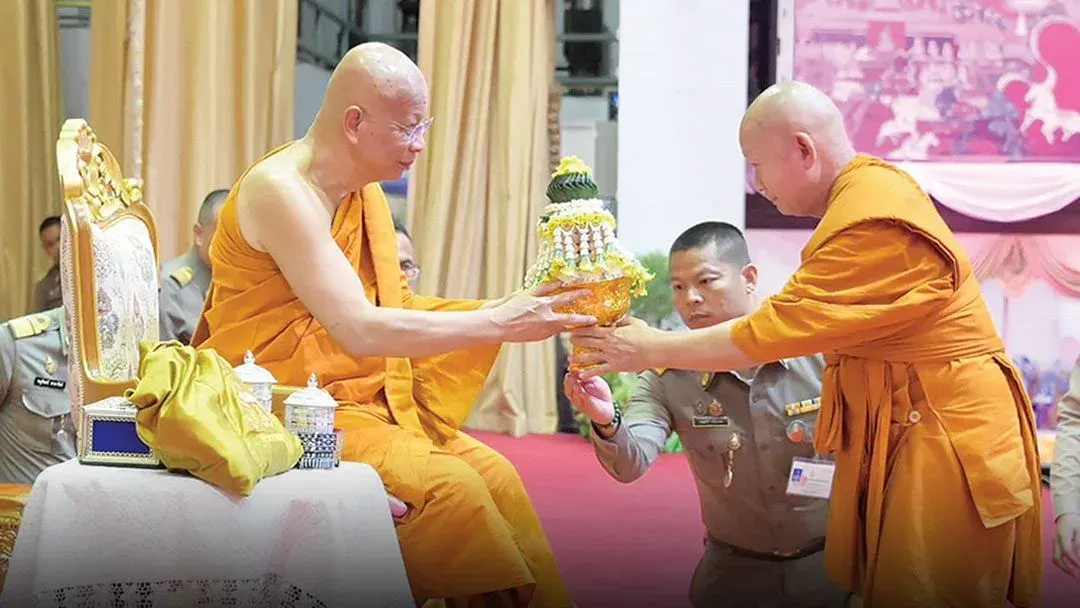
On Monday, June 29, 2025, Somdet Phra Mahaviravorngsa (Suchin Akkhachino), a Mahatherasmakom Committee member and assistant abbot of Wat Rajbophit Sathit Maha Simaram, represented the committee as chairperson at the opening of the 52nd "Knowledge Offering Project for Sangha Administrators" targeting abbots, deputy abbots, and assistant abbots. The program, organized by the Institute of Sangha Administration, Office of Buddhism, and the Mahatherasmakom Secretariat, trained 220 Buddhist monks to enhance their monastic management skills. The ceremony was held at the Buddhamontol Conference Hall under royal patronage.
Udom Porn Ekyiam, Director of the Office of Buddhism, submitted a progress report with senior officials and staff in attendance.
Somdet Phra Mahaviravorngsa delivered a sermon emphasizing that abbots, deputy abbots, and assistant abbots serve as vital mechanisms in their temples, responsible for preserving Buddhist resources and the livelihood of monks and novices. He stressed that being an abbot must be genuine, not merely nominal. The role is defined by laws and Mahatherasmakom regulations specifying duties and powers. Therefore, holding a position demands fulfilling corresponding responsibilities according to legal provisions. Deputy abbots must accept responsibilities delegated by the abbot while assisting in temple affairs including dissemination of teachings, governance, and public welfare. Assistant abbots must serve diligently. All three positions working in the same temple must operate with unity, understanding their duties and responsibilities. Experienced monks should support younger leadership without obstructing the temple's development, recognizing what is and isn't appropriate.
On Friday, July 3, 2025, Somdet Phra Mahachirmuneevongsa (Boonrueng Punnyochoto), a Mahatherasmakom Committee member and abbot of Wat Phra Sri Maha Dhat, presided over the closing ceremony and certificate presentation at the Buddhamontol Conference Hall in Nakhon Pathom Province.
Somdet Phra Mahachirmuneevongsa advised that the roles of abbots, deputy abbots, and assistant abbots today face challenges involving laws, sangha regulations, and Mahatherasmakom rules. As temple administrators and community leaders, he offered three guiding principles: First, establish dharma and vinaya as the foundation—temple management and governance of monks must strictly adhere to Buddhist law and sangha regulations using fairness and compassion. Second, ensure transparency in Buddhist assets—property and benefit management must be handled carefully, following proper procedures and accounting practices to prevent disputes and accusations that cause future damage. Third, serve as the spiritual center of the community—current sangha administrators must be good mentors, developing temples as peaceful havens and learning centers, serving as true spiritual refuges for Buddhists. Following these guidelines creates beauty, unity, and harmony, earning respect within the sangha and society.
Somdet Phra Mahachirmuneevongsa further urged steadfast commitment to virtue and good conduct, compliance with Mahatherasmakom and sangha regulations with consistency and fairness, without discrimination, maintaining order and propriety.