Koh Kret Red Tea Earns Geographic Indication Status
Koh Kret red tea, made from local red mulberry leaves using traditional Mon methods, has earned geographic indication status as Nonthaburi's fifth GI product, generating over 8 million baht annually while preserving community heritage.
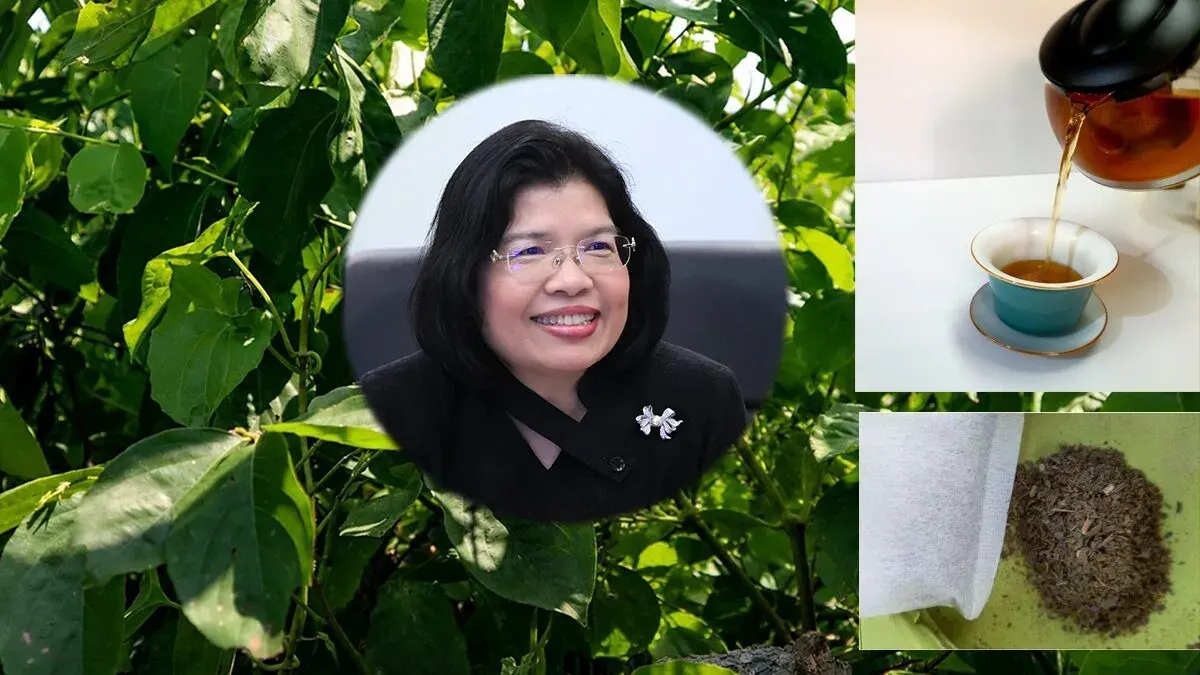
The Department of Intellectual Property under the Commerce Ministry has registered Cha Rang Daeng Koh Kret as the fifth geographic indication (GI) product of Nonthaburi Province, highlighting Mon community heritage and local identity while transforming agricultural goods into high-value products that generate over 8 million baht annually and support cultural tourism and sustainable development.
Armorn Suaptaveedharm, Director-General of the Department of Intellectual Property, explained that Cha Rang Daeng Koh Kret is produced from leaves of the red mulberry tree, a local plant that thrives in Nonthaburi's Koh Kret area. The leaves undergo traditional Mon processing and roasting methods passed down through generations, with careful raw material selection resulting in a tea with distinctive color, aroma, and flavor that clearly reflects the relationship between local wisdom and geographic environment.
The tea's unique qualities stem from Nonthaburi's natural conditions along the Chao Phraya River floodplain, with fine clay soils and silty loam enriched with minerals from river sediment. Despite seasonal flooding, the hardy local red mulberry plant produces high-quality leaves and branches. After traditional processing—drying and roasting at appropriate temperatures—the tea brews to a golden yellow hue with pleasant aroma, smooth taste, and subtle sweetness with no bitterness, making it distinctive to the region.
The tea is also popular as a health beverage, with benefits including reduced fat, cholesterol, blood sugar levels, and blood pressure.
Cha Rang Daeng Koh Kret is Nonthaburi's fifth GI product, following Koh Kret pottery, krathoem wrapped in banana leaves, Nonthaburi durian, and Yai Klum mango. It demonstrates the province's ability to transform local resources, community wisdom, and cultural identity into high-value goods that generate income for farmers and entrepreneurs while creating tourism destinations linking lifestyle, culture, and local products.
Currently, 22 producers operate with annual capacity of approximately 8,000 kilograms, creating economic value of over 8 million baht yearly. Combined, Nonthaburi's five GI products generate over 64 million baht annually.
Armorn noted that the GI registration reflects the successful implementation of policy by the Deputy Prime Minister and Commerce Minister, emphasizing agricultural value-added and community identity products. The department systematically promotes GI goods through producer development, quality control, packaging design, branding, market expansion both domestically and internationally, media promotion, storytelling, and linking production sites with community tourism so visitors can experience local lifestyle, wisdom, culture, and authentic products.