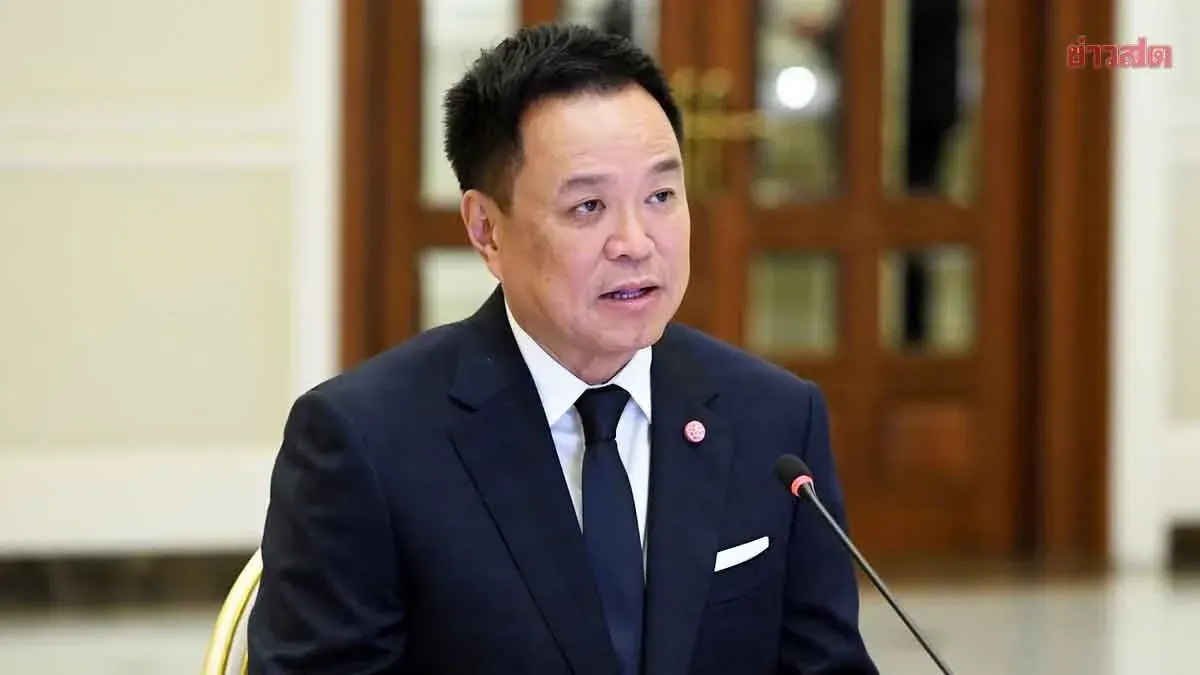
Ministers Visit Southern Border Posts to Support Volunteers
Three Thai government ministers visited volunteer defense posts in Pattani and Yala provinces on August 30 to assess conditions and provide support to personnel protecting villages in the conflict zone.
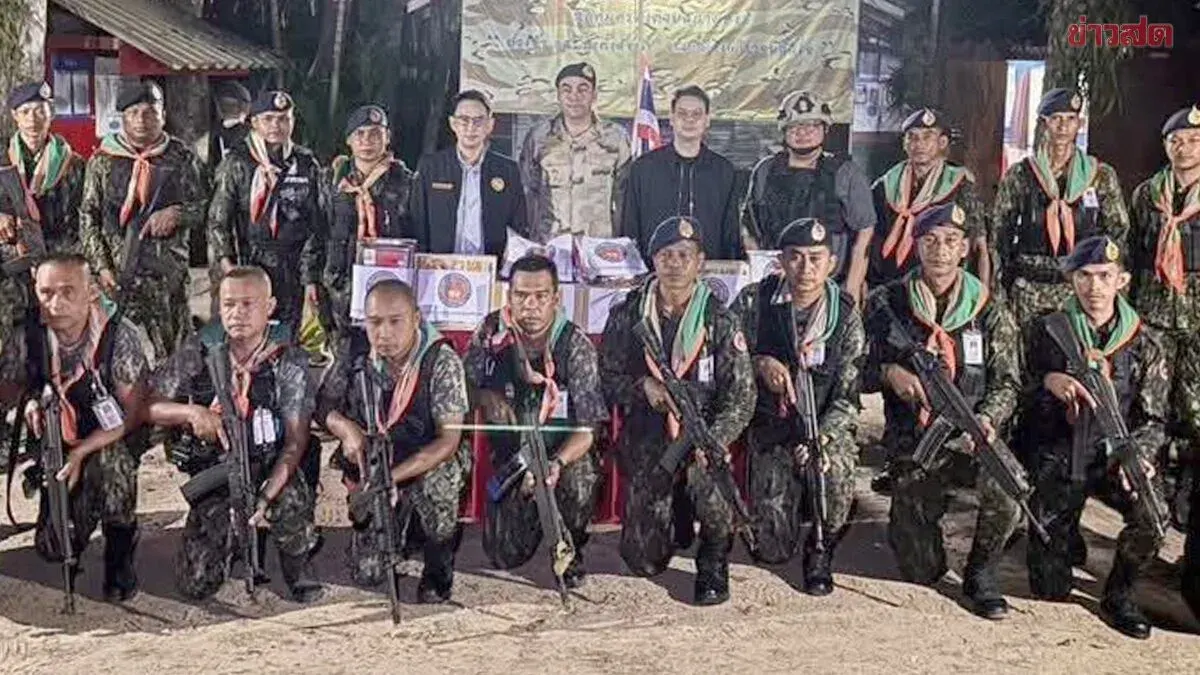
Deputy Interior Minister Worasit Liangprasoet on September 4 responded to criticism by stressing that fieldwork assessments should be based on actual facts and real work rather than focusing solely on which province hosts the cabinet meeting. He revealed that on August 30 at 10 p.m., Digital Economy and Social Minister Chaiyachon Chidchob, alongside Finance Minister Jetsetaech Thaisetsart and Liangprasoet himself, traveled to Pattani and Yala provinces to visit volunteer defense personnel at their frontline posts, offering encouragement and supplies to volunteer territorial defense units protecting villages in the conflict zone.
Liangprasoet explained that the visit was unannounced and held no formal reception, with ministers going directly to operational bases to listen to the volunteers' challenges and suggestions. The three-location tour lasted approximately two hours, visiting protection units at Taluboe and Ruesamilae in Muang Pattani district, and Gatong in Yaha district, Yala province. He emphasized that such fieldwork demonstrates that government operations in the southern border region extend beyond conference tables and require direct observation of actual conditions and dialogue with frontline personnel.
When asked if the government dares to enter the southern border zone, Liangprasoet said the images speak louder than words: "We arrived in Pattani and Yala around 4 p.m., visited our volunteer brothers at their operating bases, and asked what they lack and how we can help." He stressed that more important than traveling to the area is translating identified problems into action, particularly supporting volunteers who are crucial to protecting residents, teachers, students, monks, and communities. During the visit, he directed personnel to prepare comprehensively—in staffing, weapons, equipment, and vehicles—and to rehearse emergency response plans for immediate deployment if unrest occurs.
Liangprasoet concluded: "The southern border is not any one person's issue and should not become a competition over who visits more. People want those who go to listen, then actually solve the problems. We did not go for photo opportunities; we went because we wanted to see real work happening and to remind those personnel that the central government has not forgotten them. Government listens to all criticism, but the southern border should be a competition in serving people rather than competing over who talks about the area most. If we must measure, let's measure by who has made residents safer, improved their livelihoods, and ensured frontline workers feel they have not been abandoned."