Thailand Unmoved by Cambodia's UN Maritime Map Move
Thailand's foreign minister dismissed Cambodia's UN maritime map move as nothing new, saying both countries' existing maps are already UN-recognized while arbitration proceedings over their sea boundary continue under UNCLOS rules.
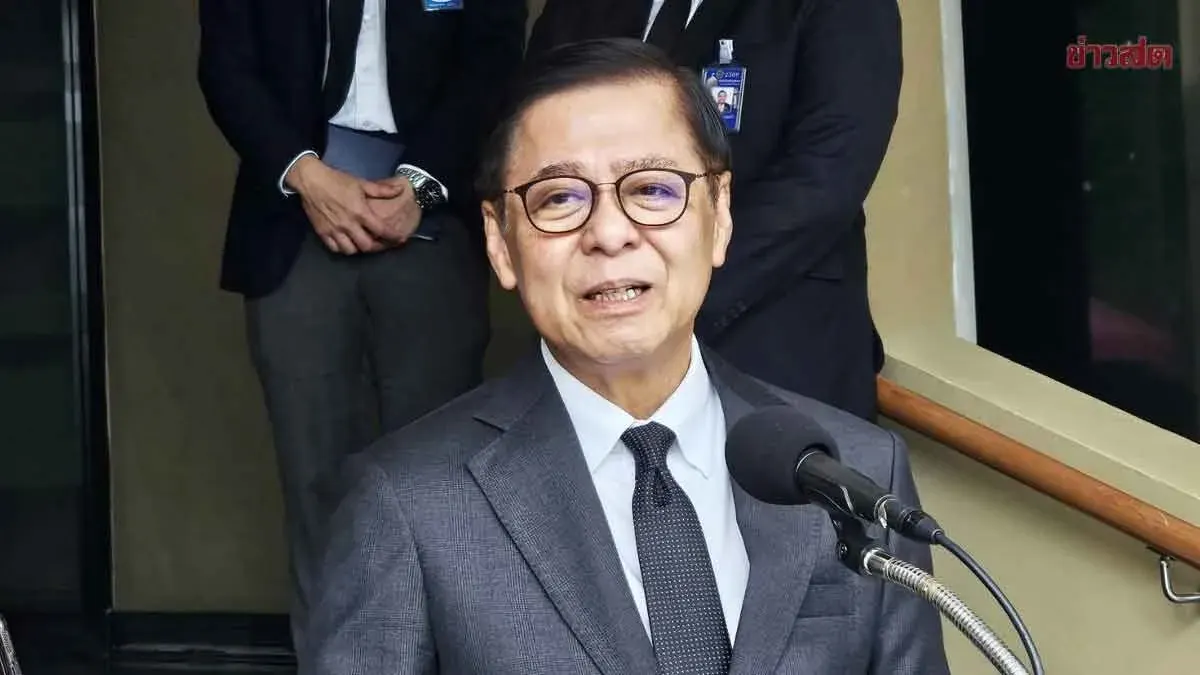
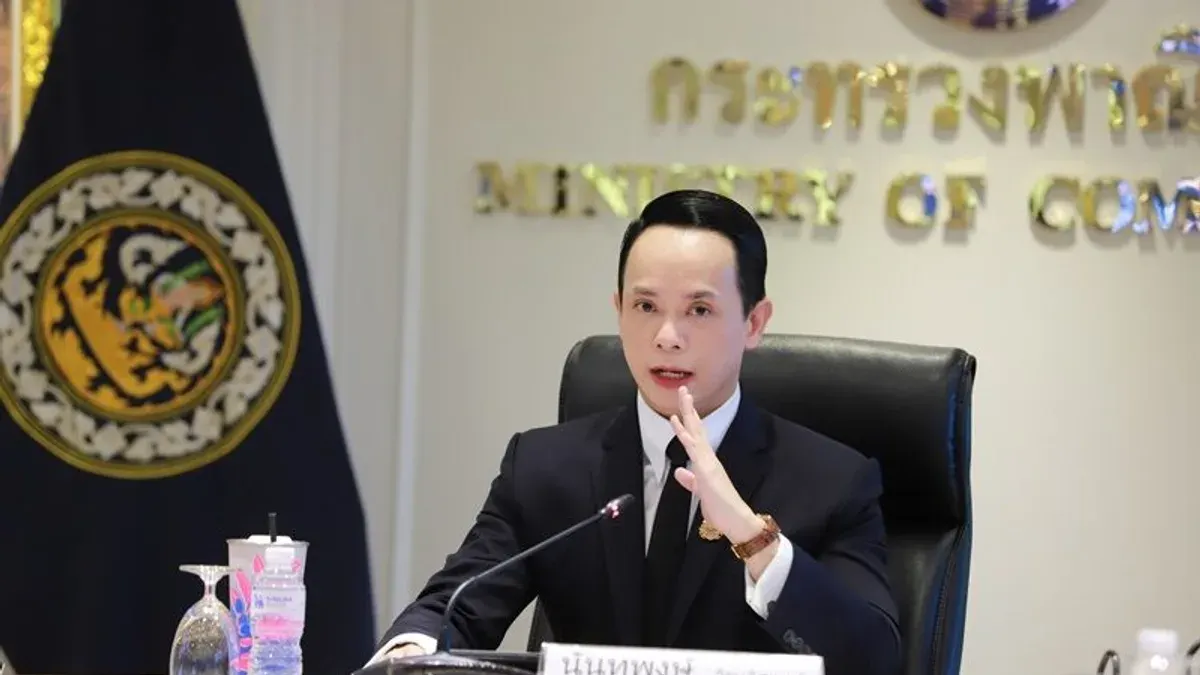
At a government house briefing on August 5, Deputy Prime Minister and Foreign Minister Sihasak Phuangkaew addressed Cambodia's plan to seek UN recognition of the 2543 MOU and the 1:200,000 scale map, stating that these documents are already UN-endorsed and represent nothing new, so Thailand has no cause for concern. The MOU includes provisions beyond just the 1:200,000 map, such as watershed issues, and Thailand possesses its own 1:50,000 scale map that both sides have acknowledged, meaning Cambodia's actions have no impact on existing UN-recorded evidence.
Regarding compulsory arbitration, Sihasak explained that both sides are currently nominating arbitrators, with six to seven names already submitted and each side to select three, a process still in progress. He emphasized that compulsory arbitration is a mechanism under UNCLOS that Thailand must follow, as the process continues regardless, and the UN will appoint Thailand's arbitrators if needed. Thailand will ensure its interests are fully protected.
Sihasak noted that Thailand has consistently maintained that bilateral negotiations should precede compulsory arbitration under UNCLOS, but Cambodia claims Thailand's cancellation of the 2544 MOU triggered the arbitration process. Thailand cancelled the 2544 MOU because it had stalled for 20 years and to initiate fresh negotiations under UNCLOS, which Cambodia only joined in March. He questioned why Cambodia did not attempt bilateral talks first, which might have created a positive atmosphere for discussing land border issues. He pointed out that at the ASEAN summit in the Philippines, both leaders discussed bilateral matters and agreed to rebuild trust and cease international attacks, yet Cambodia rejected negotiations and proceeded directly to compulsory arbitration, effectively closing the door on land border talks while continuing to attack Thailand on the world stage.
Sihasak also remarked on UN Special Rapporteur Tom Andrews' report on human rights in Cambodia, acknowledging it as routine monitoring but warning that statements attributing cross-border violations exceed the UN's mandate and must consider the sensitive Thailand-Cambodia situation, cautioning that any statement touching on Thailand will be exploited by Cambodia and human rights committees must be mindful of regional sensitivities.