Officials Accused Of Illegally Collecting DNA From Civilians In Pattani
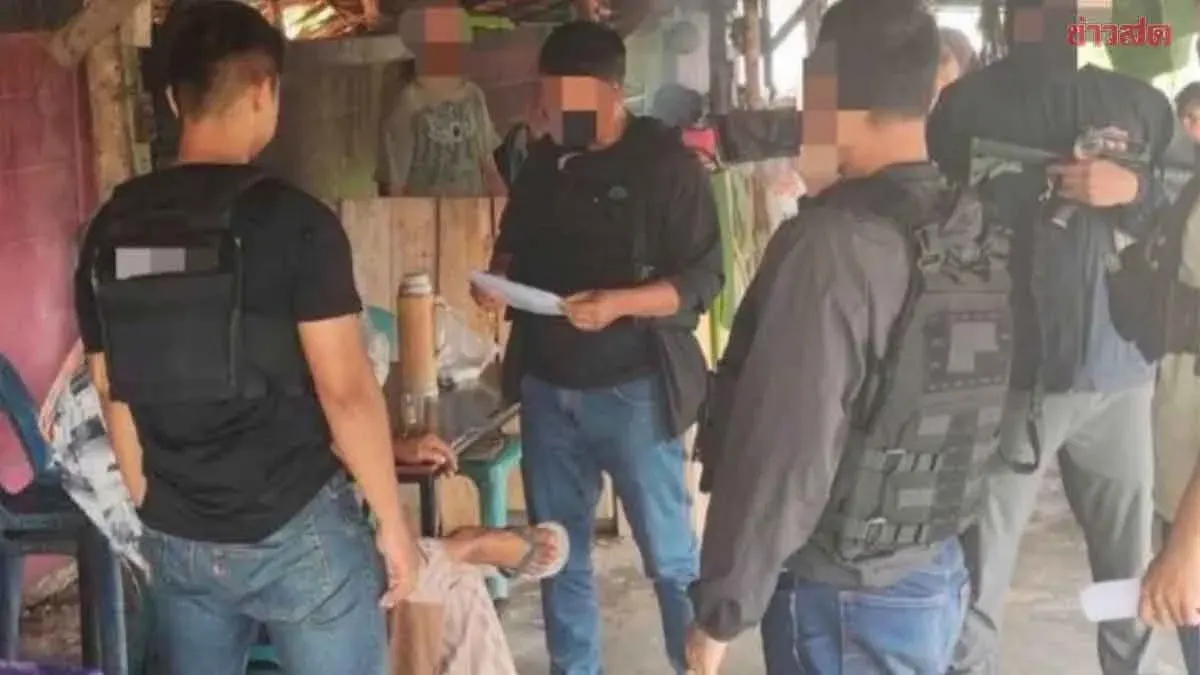
A People’s Party MP alleges that officials in Pattani province have been forcibly collecting DNA from civilians on roadsides and in public places without consent, claiming it follows a superior‑unit quota of five samples per day. The MP and civil‑society groups say the practice violates the Criminal Procedure Code and human‑rights protections, and have demanded it stop pending legal clarification. They warn that untargeted DNA gathering risks deepening mistrust in the restive deep‑south and could constitute discrimination.
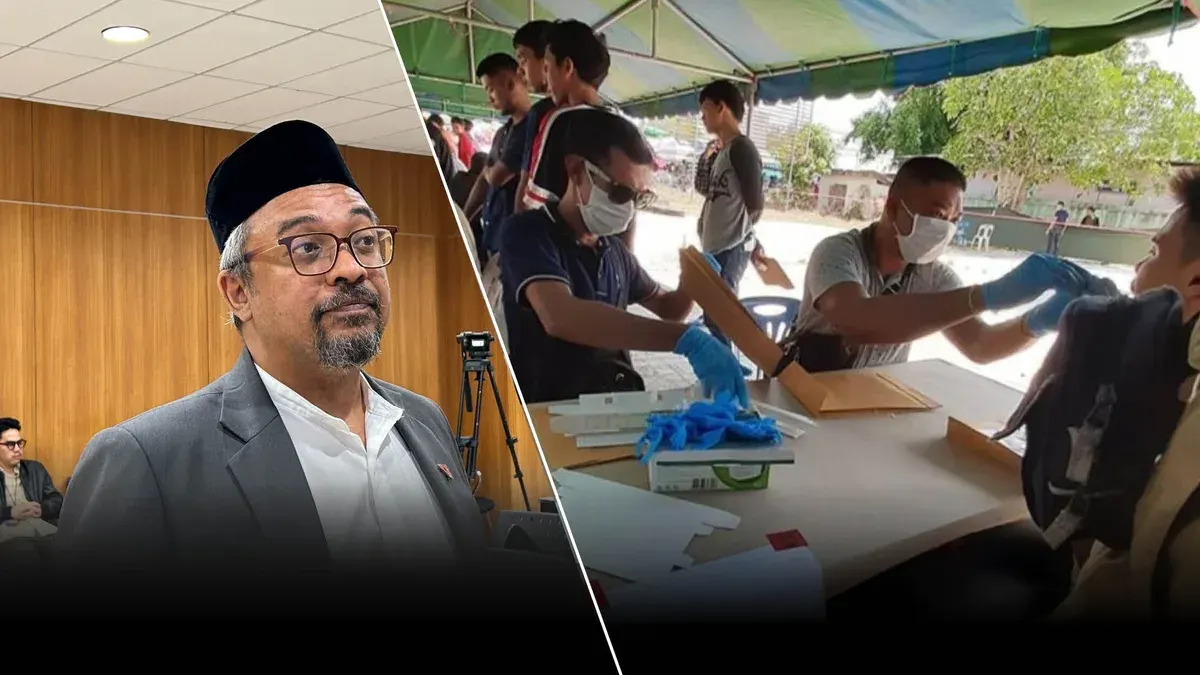
Romdan Panyor said officials have been collecting DNA from the public on roadsides in Mayo district, Pattani, without consent. He stressed that DNA is personal information and forensic evidence under Article 131/1 of the Criminal Procedure Code, and may legally be obtained only from suspects, victims, or those directly involved in a case. Romdan added that he had learned the practice is a superior‑unit policy aiming for five samples a day, which risks breaking the law and suggests commanders are indifferent to the danger faced by their subordinates, and called for an immediate halt because it threatens legal and human‑rights protections. In addition to Romdan, the network of people affected by special laws in the South’s civil society disclosed a comparable incident on 12 October, when officers entered a tea shop in Khetoom subdistrict, Yarang district, Pattani and took DNA samples from three individuals. They warned that such actions infringe on bodily integrity and sensitive personal data, and urged authorities to avoid DNA collection unless backed by a court order or clear legal criteria, and to explain publicly the purpose and legal basis of the practice. They also cautioned that if DNA gathering targets specific groups without lawful justification or applies different standards to the general population, it could raise discrimination concerns. The National Human Rights Commission had previously objected to the mass collection of DNA, especially concerning children and in the deep‑south, noting that even when officials invoke security laws, the practice often exceeds what the law permits and ignores proper procedures. Given the ongoing unrest in the deep‑south, collecting DNA from people not linked to any incident or case could heighten fear and mistrust in the area. Consequently, commanders and relevant agencies should review the policy, because its continuation may undermine efforts to resolve the southern insurgency.