Parliament Panel Examines Prison Conditions Through Ex-Inmate Accounts
A Thai parliamentary subcommittee heard from former inmates about systemic prison failures including inadequate healthcare, insufficient sanitary supplies for women, and outdated job training that hinders reentry into society. The panel ide

A parliamentary subcommittee studying prisoner welfare and justice heard testimony from former inmates Srayuth Srigamnoed (L Orose), Seksarn Sukhpimay (Sek Losso), Nopnanth Thonglueua (Earn Wat Yai), and Akkarin Poori (Rang Phra Nakhon) to drive practical reform efforts. The subcommittee invited private-sector experts to discuss inmate conditions, corrections system development, job training, and social reintegration.
Former prisoners highlighted consistent problems: inadequate medical care with only paracetamol provided for any illness, and outdated vocational training that fails to meet current job market demands, making employment difficult after release. Female inmates specifically raised concerns about receiving only four sanitary pads per month, requesting an increase in supply.
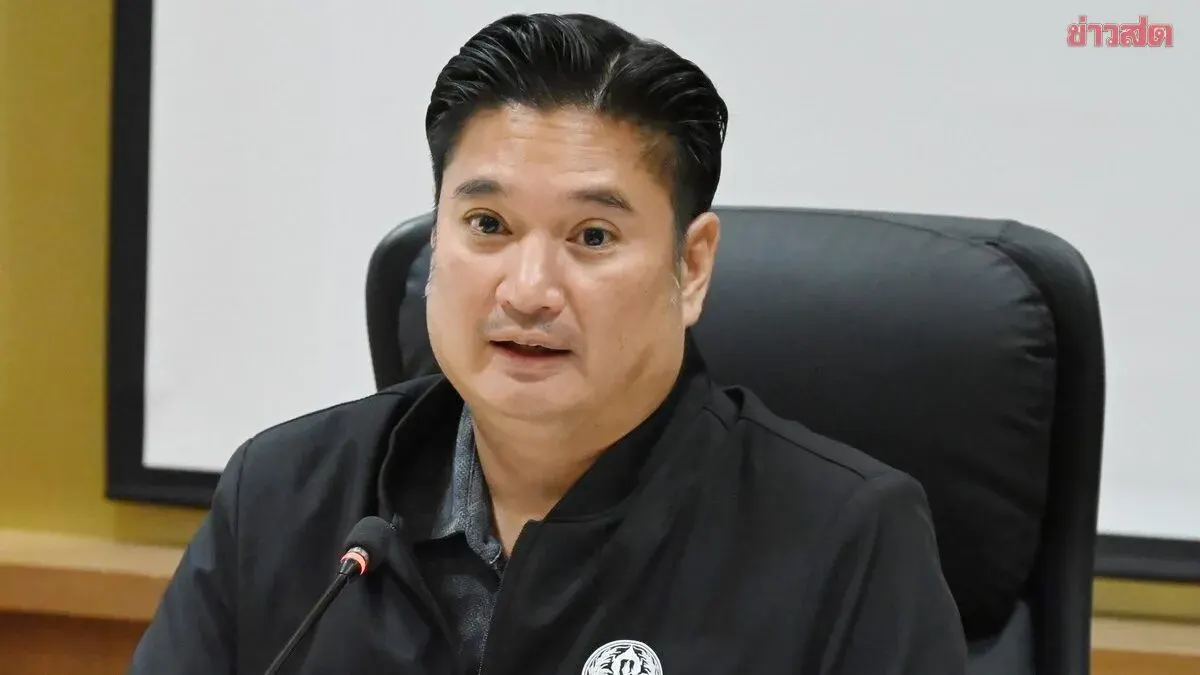
Chair Radchale Indavong outlined four priority dimensions for sustainable change: 1) strengthening basic rights and justice in custody, including effective legal aid; 2) improving living conditions, hygiene, bedding, and educational opportunities to prepare inmates for reentry; 3) removing barriers to quality healthcare and mental health services matching external standards; and 4) developing partnerships with the private sector for job training aligned with labor market needs to reduce recidivism.
The subcommittee identified critical structural obstacles: staff-to-inmate and doctor-to-inmate ratios fall below international standards, prisons are overcrowded, vocational curricula don't match job market needs, and criminal record checks create ongoing barriers to employment and social acceptance for released prisoners.