PM Orders Rapid Response Teams for Southern Border Violence Relief
The Thai government has deployed rapid response teams across the southern border provinces to accelerate relief and compensation for violence victims, establishing a case management system and hotline 1880 to ensure affected residents quick
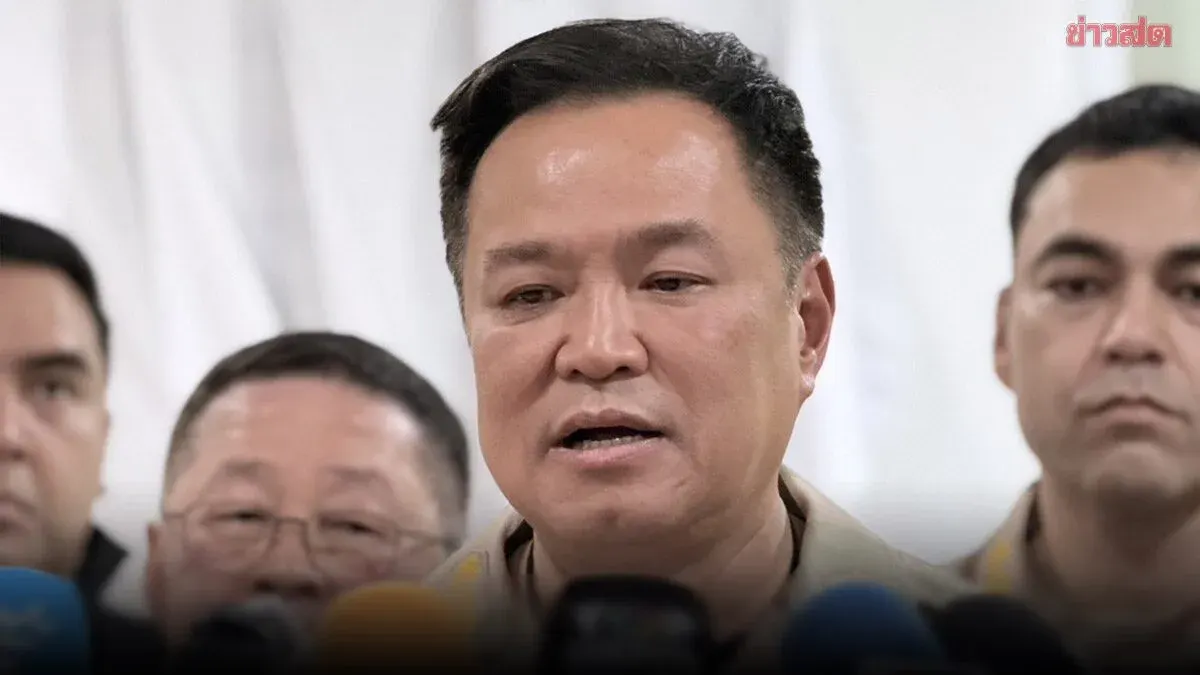
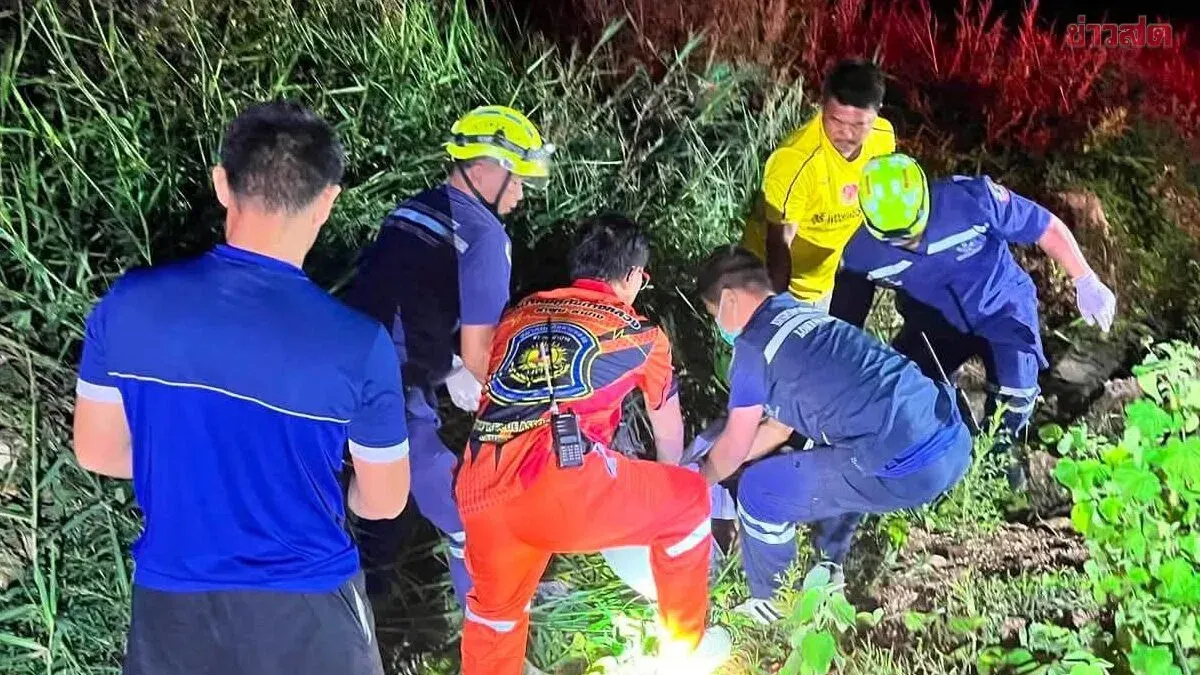
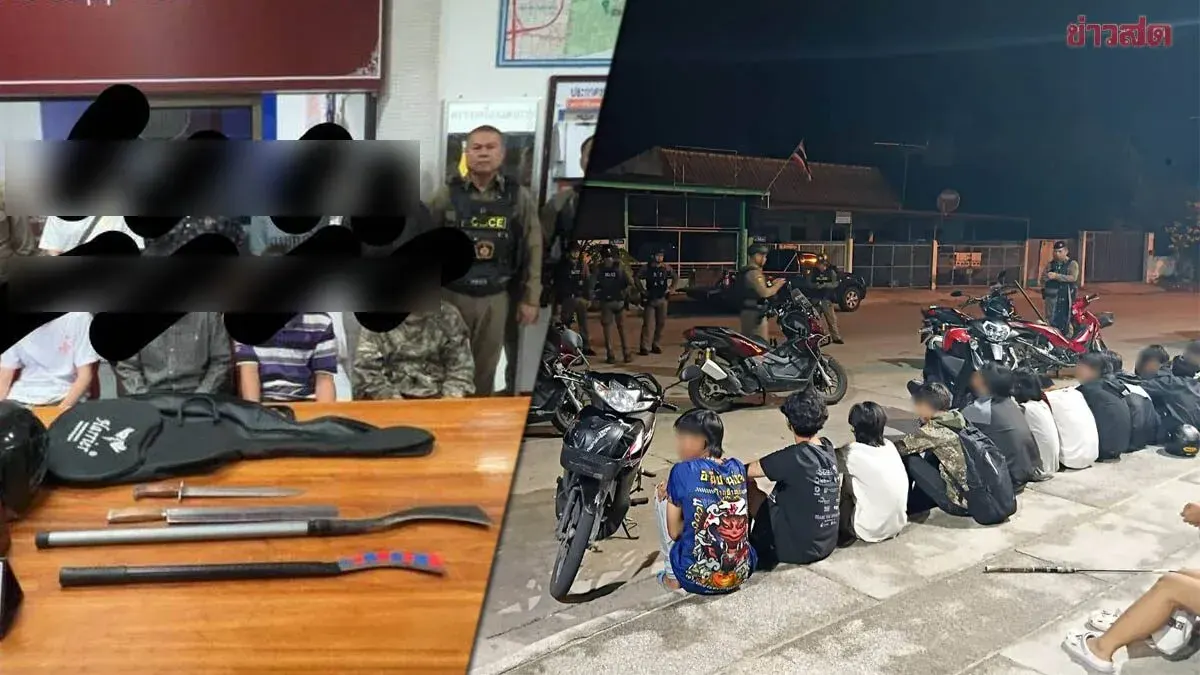
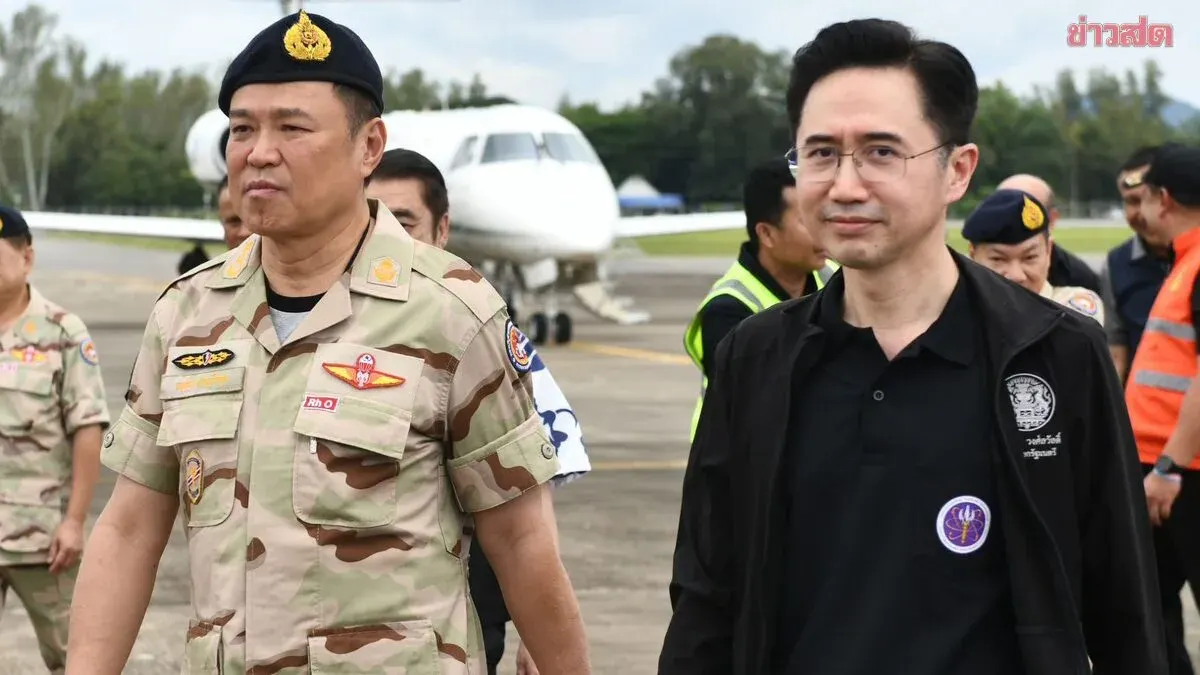
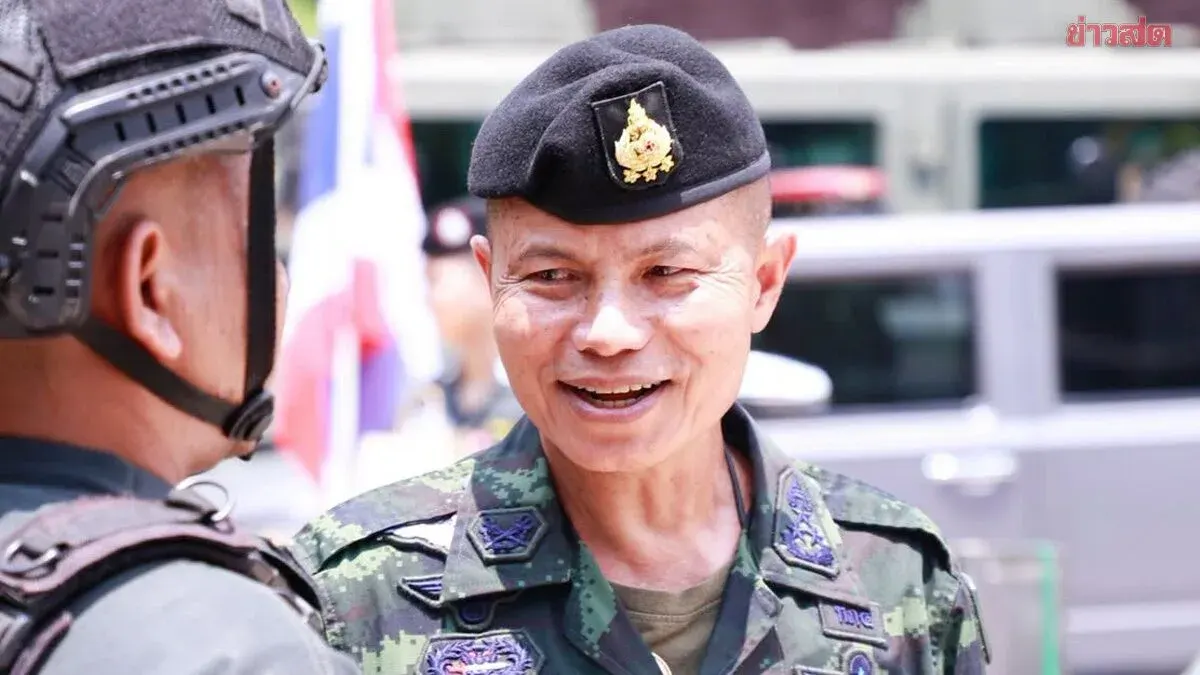
On August 23, 2569, Prime Minister Anuthlin Charnveerakul and the Interior Minister directed security operations in response to violence in the southern border provinces and ordered continued care for affected residents. The Southern Border Provinces Administrative Center (SBPAC) has been tasked with accelerating relief and compensation efforts to ensure citizens quickly access their legal rights. Support covers direct victims, families, vulnerable groups, and those facing economic losses.
The SBPAC has established a communications and legal aid operations center using a case management system with dedicated case managers working at both the regional and individual case levels. Rapid Response teams from all three southern border provinces are already deployed in the field to identify affected persons, verify their eligibility, and track access to assistance while identifying obstacles and responsible parties with clear timelines for resolution.
A hotline 1880 has been opened for affected residents and families to call with questions about their rights and to request immediate assistance. Each case is entered into the case management system for ongoing tracking. The center will maintain a real-time dashboard categorizing cases by color—green for resolved, yellow for in-progress, orange for incomplete documentation, and red for unreached—so officials can instantly see which cases are delayed and where action is needed. Progress updates will be communicated publicly.
The Prime Minister emphasized that struggling residents should not have to seek out government offices; the state must reach out to the people. Support must clarify how each family was affected, what compensation they are entitled to, where their case stands, what obstacles exist, who is responsible, and when resolution will occur. Care will cover medical treatment and rehabilitation for the injured, family and mental health support especially for elderly, children, women, and vulnerable groups, as well as compensation for damaged homes, property, businesses, and lost livelihoods.