Thailand's national police chief has ordered the Region 5 Provincial Police to deploy personnel, equipment, vehicles, and drones to assist residents affected by flooding in Nan province and evacuate them to safety. The mobilization follows disaster alerts warning of flash floods, runoff, and heavy rainfall across upper Thailand. Police units will provide water, food, medical supplies, and temporary shelter while coordinating evacuation routes and establishing field camps to support affected communities.
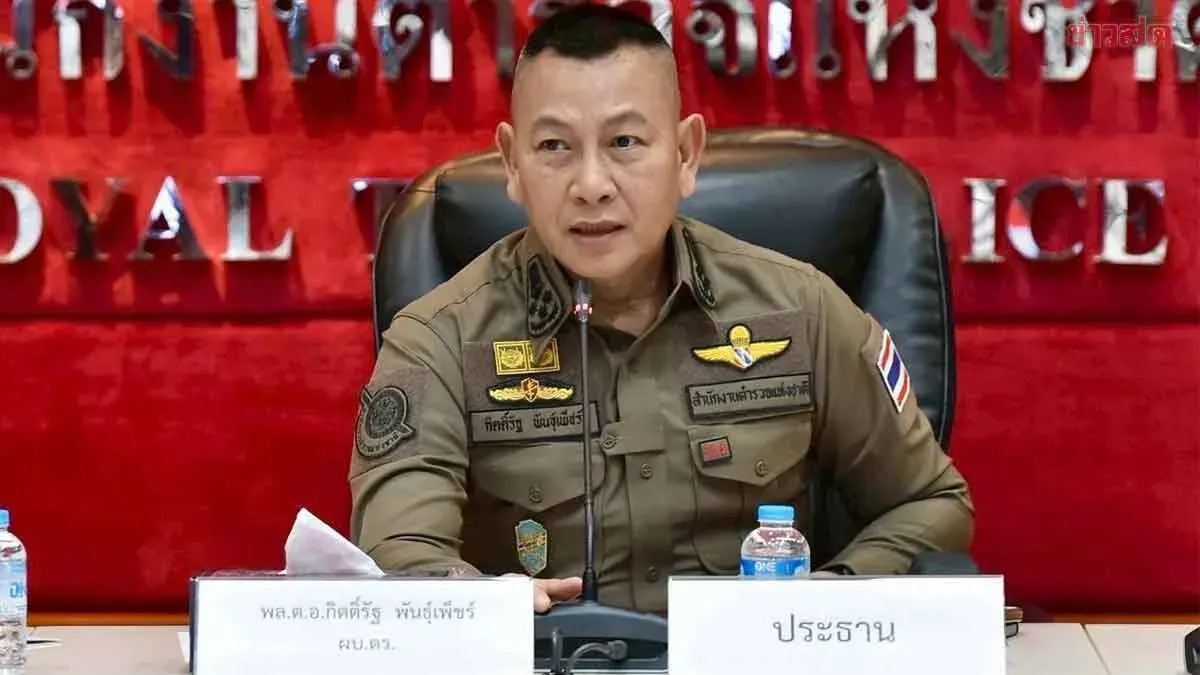
The national police chief has ordered the Region 5 Provincial Police to mobilize personnel, equipment, vehicles, and drones to assist residents affected by flooding in Nan province and help them reach safe areas until the situation improves. On August 19, deputy national police spokesman Trairong Phiwphan disclosed that following disaster alerts from the National Disaster Warning Center under the Department of Disaster Prevention and Mitigation, warning of flash floods, runoff, and short-term flooding in Nan province, along with meteorological forecasts of heavy to very heavy rainfall in upper Thailand, national police chief General Kittiphat Punthet ordered all related units to provide full assistance to affected residents according to the national police disaster prevention and mitigation plan.
The chief assigned responsibility to three deputy national police chiefs overseeing administration, crime prevention and suppression, and security, with the last also directing the National Police Unmanned Aerial Vehicle Center. The Region 5 Provincial Police is designated as the primary unit responsible for disaster prevention and mitigation, coordinating with provincial and district incident command centers and local government organizations, and deploying personnel, equipment, vehicles, boats, drones, and supplies to assist the public in evacuating from risk areas, providing water, food, basic medical treatment, and security.
Additionally, the police will organize emergency response teams, establish temporary shelters, coordinate evacuation routes to safe areas, set up field kitchens, protect official buildings and documents, manage traffic on main and alternative routes, and dispatch water police with boats and rescue equipment. The Border Patrol Police Command will deploy emergency teams and support operations by mobilizing vehicles, boats, and equipment to assist residents, setting up field kitchens and temporary shelters in nearby border patrol areas, while the Central Investigation Command's water and highway police will position rescue boats and equipment to assist residents in flood-risk areas and guide them to safety.