Thailand Expands Credit Bank Education System to All Provinces by 2027
Thailand aims to expand its Credit Bank education system to all provinces by 2027, with over 60 percent already implemented according to international standards as part of broader education reforms aligned with OECD membership requirements.

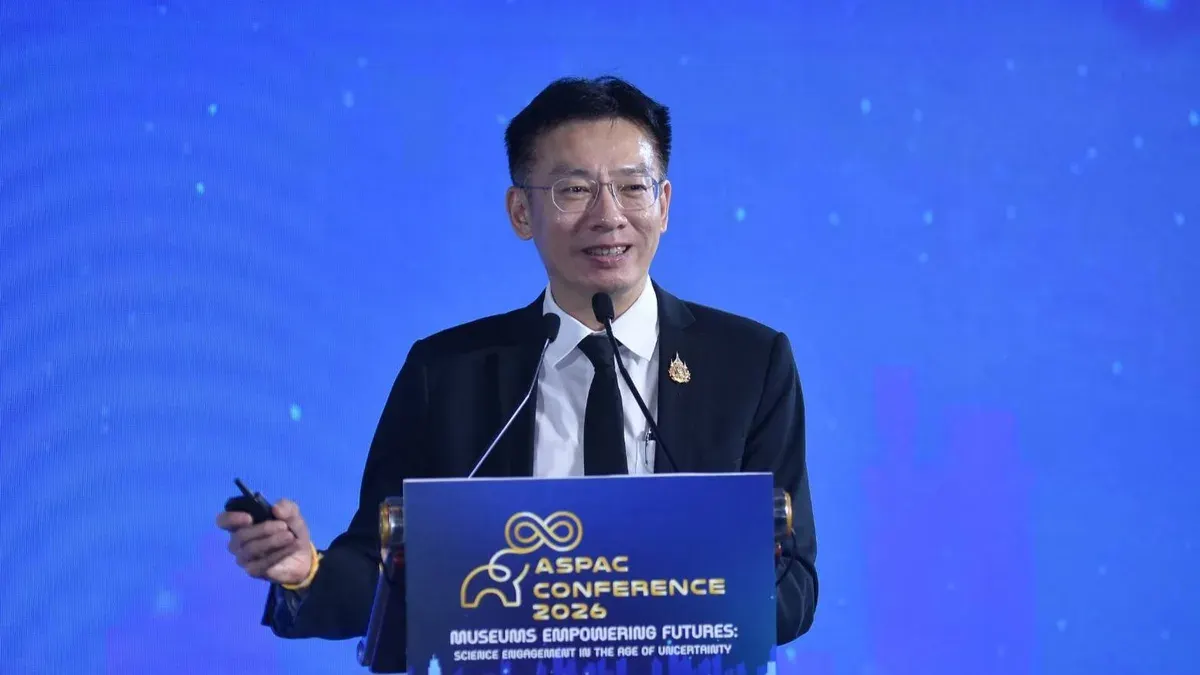
On August 19, the Office of the Education Council held a workshop at the Royal River Hotel in Bangkok to strengthen implementation of the provincial Credit Bank system for the 2025 fiscal year. Education Council Secretary-General Prawit Arawwanon chaired the opening and delivered a keynote address titled 'Credit Bank: An Innovation to Transform Thai Classrooms and Education Systems.' Senior officials from national qualification frameworks, vocational education standards, and learning promotion agencies participated.
Arawwanon reported that over 60 percent of provinces nationwide have successfully implemented the Credit Bank system according to established standards, with remaining provinces undergoing accelerated development. The goal is full nationwide rollout by 2027 with standardized benchmarking across government and provincial levels to ensure consistent credit transfer and learning outcomes.
The initiative aligns with Education Minister Prasart Chantharavong's policy to restructure the education system through new architecture matching international standards as Thailand prepares for OECD membership. Three key education directions are being emphasized: flexible education transcending classroom boundaries toward lifelong learning; connecting learning to the workplace through practical skills development; and expanding early childhood education investment to build long-term national competitiveness.
The new National Education Act will clarify roles for regional and provincial education offices, which must adopt creative, proactive approaches while the Education Council develops policy and pilot programs before transferring them to the Ministry of Education's permanent office for implementation.