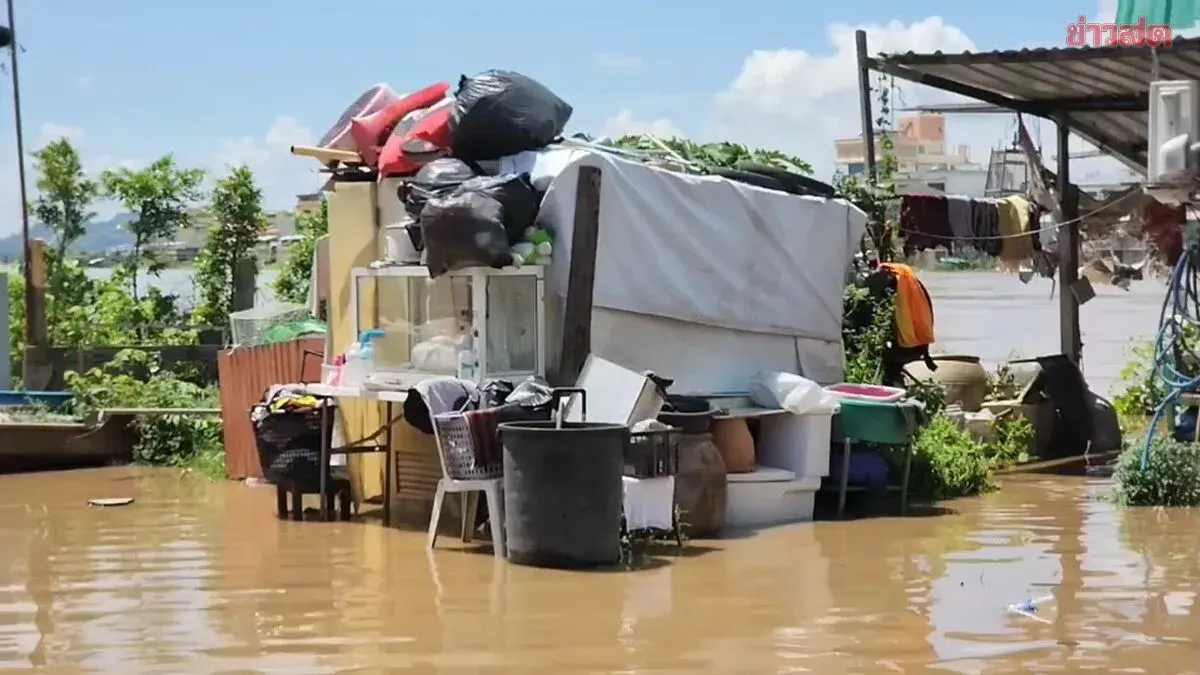
Pollution Control Dept Sends Staff, Boats to Clear Flood Waste
Thailand’s Pollution Control Department is boosting staff and deploying boats to clear wastewater and garbage trapped in flooded areas of Bangkok’s Rom Klao housing estate. Officials found floodwaters up to 1.5 meters deep with black, foul‑smelling water linked to pre‑flood and accumulating trash. The effort includes daily waste collection by the Bangkok Metropolitan Administration, use of bio‑fermented water or lime to reduce odor, and preparation of five temporary waste‑holding sites for eventual disposal after the waters recede.
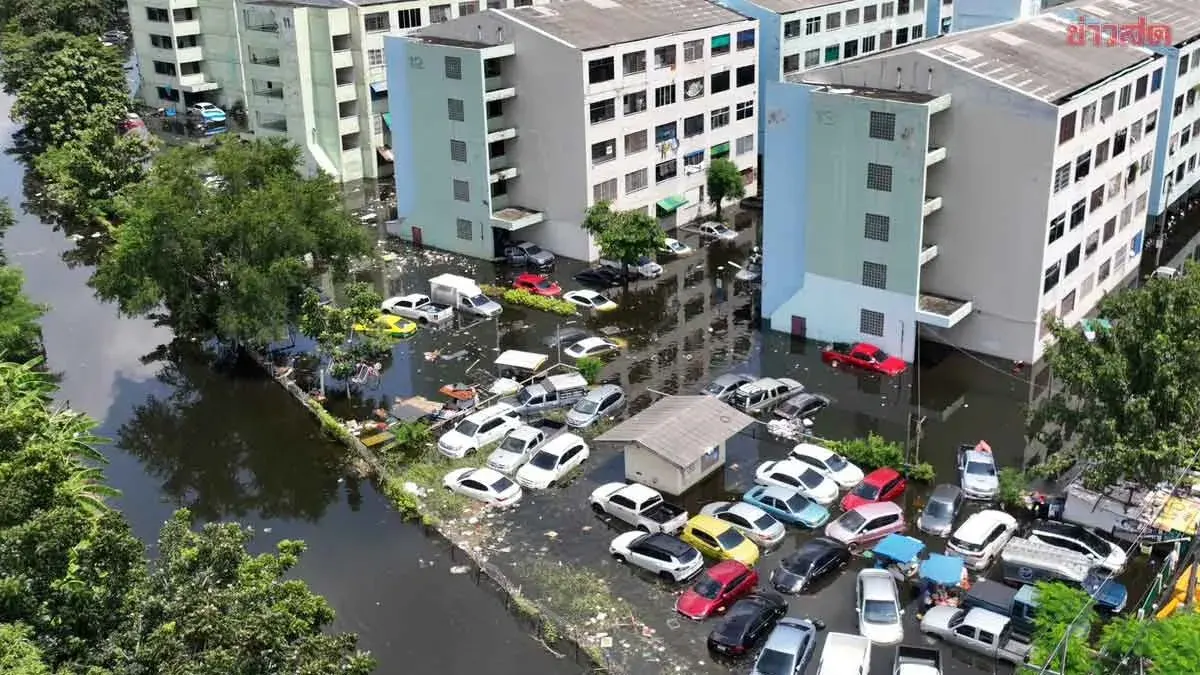
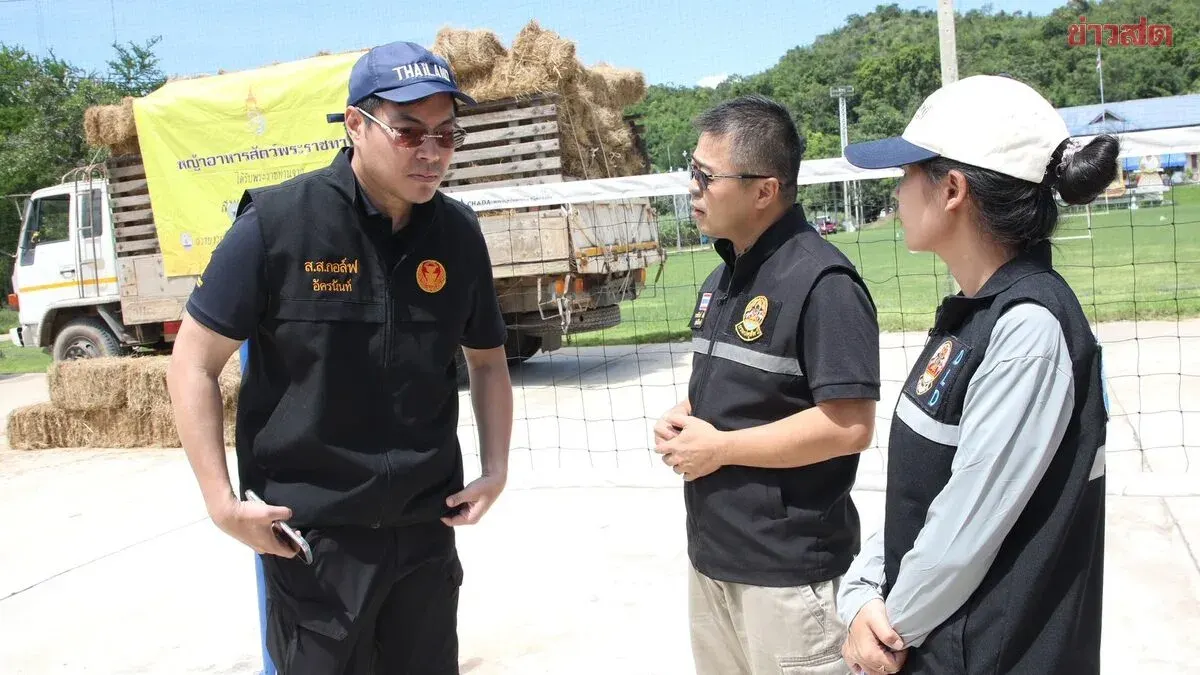
Dr. Surinthorn said he assigned Deputy Director-General Thanachai Wannasuk and Water Quality Management Division Director Dr. Chanun Tirarat, along with officials, to work with the Ladkrabang District Office to survey wastewater and garbage in flooded areas, especially the Rom Klao housing community. They found floodwaters still 1 to 1.5 meters deep in places, with some water black and foul-smelling, partly due to pre‑flood trash and waste that has accumulated during the flooding. Access for waste collection remains difficult in some spots. The Bangkok Metropolitan Administration is already collecting household waste daily and bringing it to the Saphan Hoch waste‑sorting station for round‑the‑clock processing. To mitigate wastewater and odor, officials can spray bio‑fermented water in suitable areas or apply lime at garbage‑filled spots to reduce smells and relieve residents. The department will increase personnel and boats to speed up removal of lingering waste in flooded, hard‑to‑reach zones. In addition, the Pollution Control Department and Ladkrabang District Office have identified five temporary waste‑holding sites to prepare for hauling and disposal once the water recedes: (1) the Rom Klao 33 bridge area, (2) the Canal 1 bridge near Big C, (3) in front of Rom Klao Housing flats buildings 25‑28, (4) the Rom Klao Housing Community sports field, and (5) the Wat Pak Bueng area on Rom Klao Soi 24. Dr. Surinthorn stressed that the department will closely monitor wastewater and garbage in flood zones, coordinate with Bangkok authorities and other agencies to act swiftly both during the emergency and after the waters subside, prioritizing reductions in environmental impact, health risks, and disruption to residents’ daily lives so normality can be restored as soon as possible.