Revered Monk Luang Pu Jai Dies at 100
Luang Pu Jai Inthasuvanno, a revered Buddhist monk who led Wat Sedet in Samut Songkhram province for decades, died at age 100. The respected spiritual leader was deeply venerated throughout the Mae Klong river basin for his mastery of Buddh
Luang Pu Jai Inthasuvanno, or Phra Ratchamongkol Wutthajarn of Wat Sedet in Muang Mai district, Amphawa, Samut Songkhram province, was a highly respected Buddhist monk deeply revered by residents throughout the Mae Klong river basin.
Originally named Jai Kham Sonchai, he was born on November 23, 1861 (B.E. 2405) in Bang Kung subdistrict, Bang Khun Thi district, Samut Songkhram. His family later relocated to Muang Mai, Amphawa, Samut Songkhram.
At the age of 21, he was fully ordained at Wat Bang Koh Thep Sak with Phra Achan Chui serving as his preceptor, and received the monastic name Inthasuvanno. He studied Buddhist doctrines, meditation techniques, and various esoteric disciplines under his preceptor. He was devoted to learning the Dharma in both Thai and Khmer scripts until achieving mastery. He also developed an interest in occult knowledge and studied meditation practices under Luang Pu Yim of Wat Nong Bua, a renowned monk in Kanchanaburi province.
In 1891 (B.E. 2434), Phra Achan Chui recognized his exceptional abilities, wisdom, and knowledge, deeming him capable of taking care of himself and leading a community well. At that time, Wat Yai Im, a newly constructed temple, was entrusted to his care. He dedicated his effort, body, and spirit to developing and expanding the temple, eventually making it one of Samut Songkhram's most prominent and beautiful monasteries.
On one occasion, His Holiness the Supreme Patriarch Somdej Phra Maha Samana Chao Krom Phraya Wachirayan Warorot, the Supreme Patriarch of Wat Bowornnivet, made an inspection tour of Buddhist communities in major cities and visited this temple. He bestowed a new name upon it: Wat Sedet.
Because of his familiarity with Wat Sedet, the Supreme Patriarch showed great compassion toward Luang Pu Jai. This was evident in the newly constructed ordination hall, which was financed and designed under royal commission. Additionally, members of the royal family who accompanied the Supreme Patriarch also contributed funds to the temple's construction.
During the period of building Wat Sedet, Luang Pu Jai frequently traveled to Kanchanaburi province to purchase timber for the temple. He made these journeys over many years until the temple was completed. Every year, he would visit Wat Nong Bua to pay respects to Luang Pu Yim, presenting him with areca nut as an offering, showing his deep reverence for his teacher.
One day, Luang Pu Yim told him that if he were interested in occult knowledge, he would pass it on. Luang Pu Jai immediately asked to become his student. Luang Pu Yim's first lesson involved testing psychic power: he lit a candle in a water vessel and instructed Luang Pu Jai to focus his mental energy on the flame to break it in half. Only when successful would the teaching be imparted.
Luang Pu Jai practiced for seven nights without success. After returning to rest, he decided that if the candle still did not break by the following night, he would return to Amphawa. On the eighth night, he succeeded.
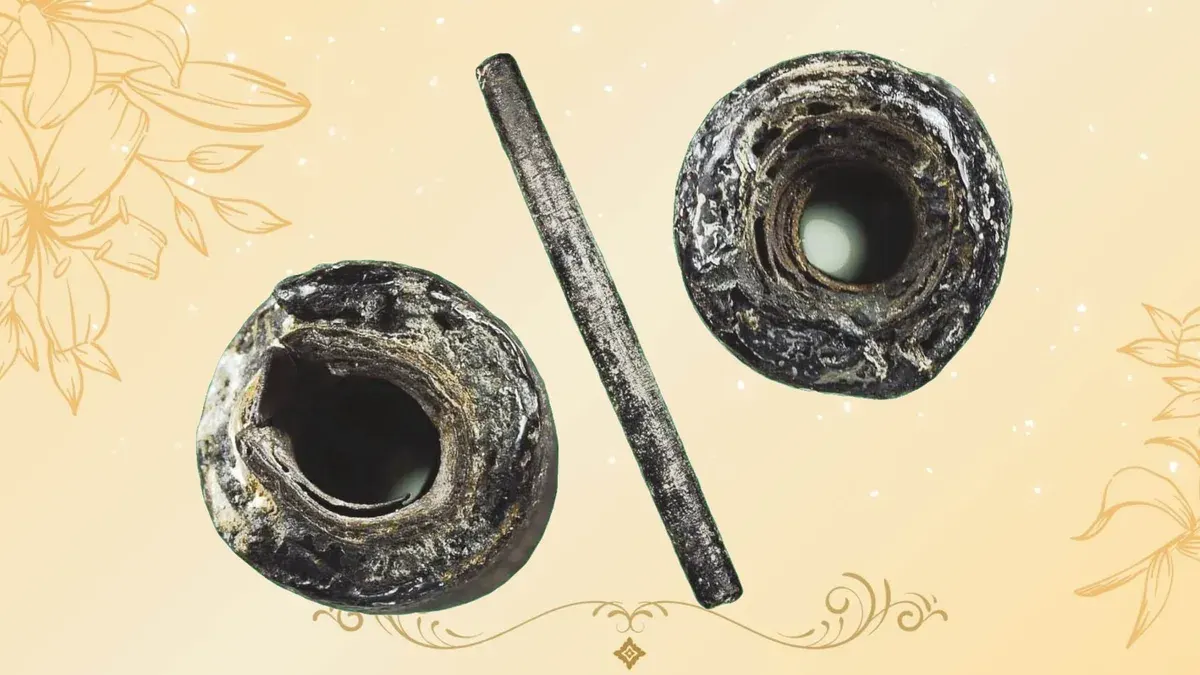
Luang Pu Yim praised him, saying, "You are already more skilled than I was when I started," because Luang Pu Yim himself had needed to practice for fifteen days. Luang Pu Yim then fully transmitted to Luang Pu Jai all the knowledge of creating the Takrut Maha Rang Prap Hongsa and the famous candy-shaped Takrut talismans.
In 1953 (B.E. 2496), he was elevated to Phra Suthasarawutthajarn, a third-rank ecclesiastical title. On December 5, 1961 (B.E. 2504), he was again elevated to Phra Ratchamongkol Wutthajarn, a royal-rank ecclesiastical title.
He passed away on Saturday, June 23, 1962 (B.E. 2505), at the age of 100, having been a monk for 78 years.
Among the most popular objects attributed to him is the "Takrut Maha Prap" (Great Subduing Amulet). These takrut are no larger than five inches, created using a similar process to the Takrut Maha Rang Prap Hongsa but with some magical syllables omitted. Because the process for creating the Hongsa-subduing takrut is extremely complex, the Maha Prap version was developed as a simpler alternative, though it remains rare due to its intricate craftsmanship and the blessed power attributed to it. The Maha Prap takrut is highly sought after by collectors.