Thailand's environment minister ordered an investigation after industrial wastewater polluted Dok Kraai reservoir in Rayong province, killing aquatic life and triggering health concerns among local farmers. Lab results from water samples ar
Natural Resources and Environment Minister Suchat Chomklin has ordered the Pollution Control Department to investigate and monitor wastewater from an industrial estate flowing into the Dok Kraai reservoir in Rayong province, coordinating all agencies to control the situation and minimize public impact. Large numbers of dead aquatic animals, dark water with strong odors, and concern among local farmers prompted the action, with preliminary evidence suggesting industrial contaminated water mixed with rainwater during heavy downpours.
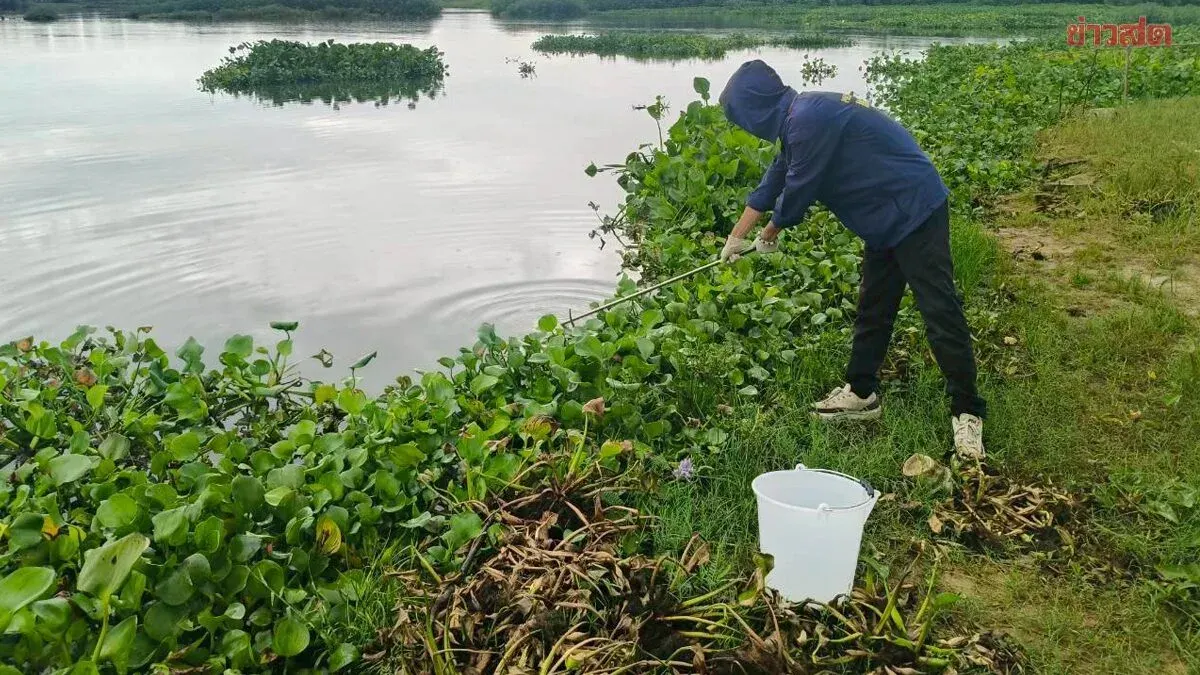
Dr. Surin Vorakit, director of the Pollution Control Department, revealed that officials collected water and sediment samples from five locations on July 3, 2569 (2026), spanning 8.5 kilometers from the incident source to the Dok Kraai reservoir for laboratory analysis to assess water quality and contaminant levels. Official results are expected within a week.
Initial tests showed high electrical conductivity, cloudy white water, and substantial sediment at the incident site, but water quality improved downstream with clearer water and lower conductivity readings. However, pH levels at the Dok Kraai reservoir measured 9.1, slightly above standard thresholds, requiring laboratory confirmation of pollutants or heavy metal residues before drawing final conclusions.
Dr. Surin noted that Rayong province convened meetings with relevant agencies and operators to expedite solutions. The industrial park's wastewater treatment company explained the cause as excessive use of discharged water for landscaping, compounded by leaking reservoirs and soil subsidence, causing water to escape the area. The company has since stopped irrigation, repaired leaks, and accelerated land recovery.
Measures to prevent illegal wastewater discharge include plans to install online water quality monitoring systems in high-risk factories within the industrial park. Outside the industrial park, barriers were constructed, wastewater was vacuumed, and sludge was dredged, with weekly water and soil quality monitoring ongoing until conditions normalize.
If laboratory results confirm wastewater discharge outside designated areas, relevant authorities will enforce strict legal action. The area must comply with environmental measures mandating zero discharge outside the premises and strict protected environmental zone regulations. The Pollution Control Department will revisit the site today (July 8, 2569) to conduct environmental quality checks and closely monitor remediation efforts while coordinating all agencies to rapidly restore water source quality and restore public confidence.