Royal Irrigation Department Advances Flood Mitigation Project in Ubon Ratchathani
Thailand's Royal Irrigation Department is advancing a major flood mitigation project in Ubon Ratchathani, currently in the survey and design phase following devastating 2011 floods that exposed the need for comprehensive water management ac
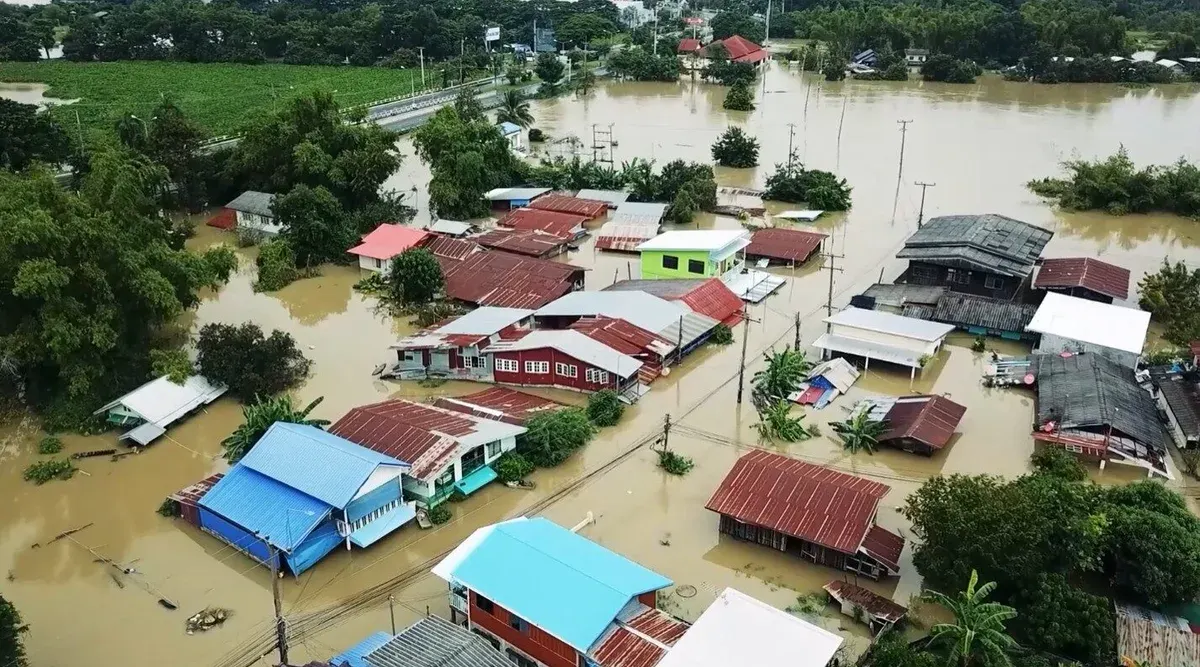
Ubon Ratchathani, a key province in Northeast Thailand with significant economic, agricultural, tourism, and border trade potential, faces ongoing water resource management challenges due to its location at the confluence of the Chi and Mun rivers before flowing into the Mekong. The convergence of these waterways combined with community expansion and land use changes incompatible with seasonal water flow patterns has resulted in recurring floods in low-lying areas of the Mun River basin.
Following the catastrophic 2011 floods that severely impacted Ubon Ratchathani's economy, utilities, transportation infrastructure, and agricultural areas, the Royal Irrigation Department has studied and designed a comprehensive water management approach through the "Ubon Ratchathani Flood Mitigation Project" to resolve recurring flooding and prepare for future climate variations.
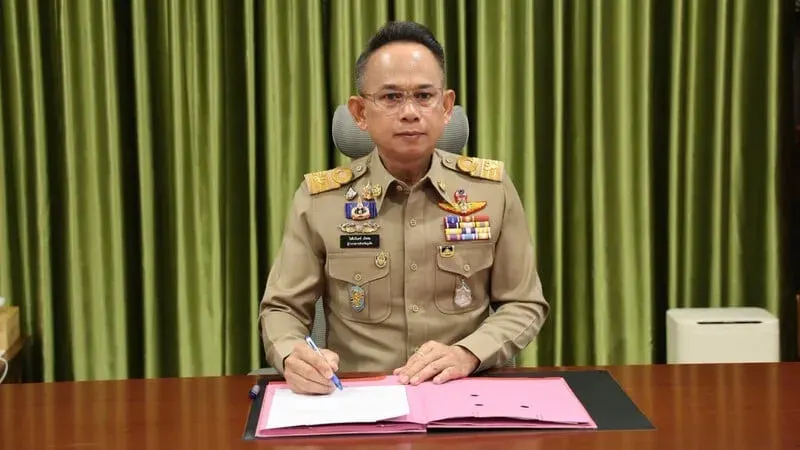
Pichert Ratanaprasetkul, director of the Royal Irrigation Department's Engineering Design and Architecture Office, revealed on June 26, 2025 that the project is currently in the survey and detailed design phase, emphasizing the importance of academic data, public participation, and input from all sectors to ensure the development approach aligns with local conditions and genuine community needs.
"Modern water management is not merely about flood control," Ratanaprasetkul stated, "but must address long-term water security, ecosystem balance, agricultural support, community welfare, and adaptation to ongoing climate change."
The project encompasses areas in Khon Kaen (Kantharalak District, Sisaket Province) and six districts in Ubon Ratchathani (Warin Chamrap, Sawang Virawong, Na Yiao, Pibulmangsahan, and Sirindhon), all interconnected within the Mun River basin.
The project components include:
1. Main water diversion canal spanning 86.84 km, receiving water from Huai Khayung and discharging into the Mun River below Saphue Rapid. This is divided into two segments: Segment 1 (9.68 km) from Huai Khayung to Huai Phap with capacity of at least 400 cubic meters per second, and Segment 2 (77.16 km) from Huai Phap to the Mun River with capacity of at least 1,200 cubic meters per second.
2. Secondary water diversion canal spanning 5.20 km, drawing water from the Mun River below Huai Na Dam and discharging at least 800 cubic meters per second.
3. Five water gates and regulation structures along the diversion canals.
4. Ninety-two structures including 42 intake works, 22 discharge structures, 20 vehicle bridges, 5 water bridges, 2 culverts, and 1 railroad bridge.
The Royal Irrigation Department has contracted PSTG JV to conduct the survey and design phases of the project.