Safety Tips for Driving, Parking, and Walking Through Floodwaters
As Thailand's rainy season intensifies flooding, drivers should avoid water deeper than wheel-midpoint, walkers must watch for electrical hazards and venomous animals, and vehicle owners should move cars to high ground immediately.
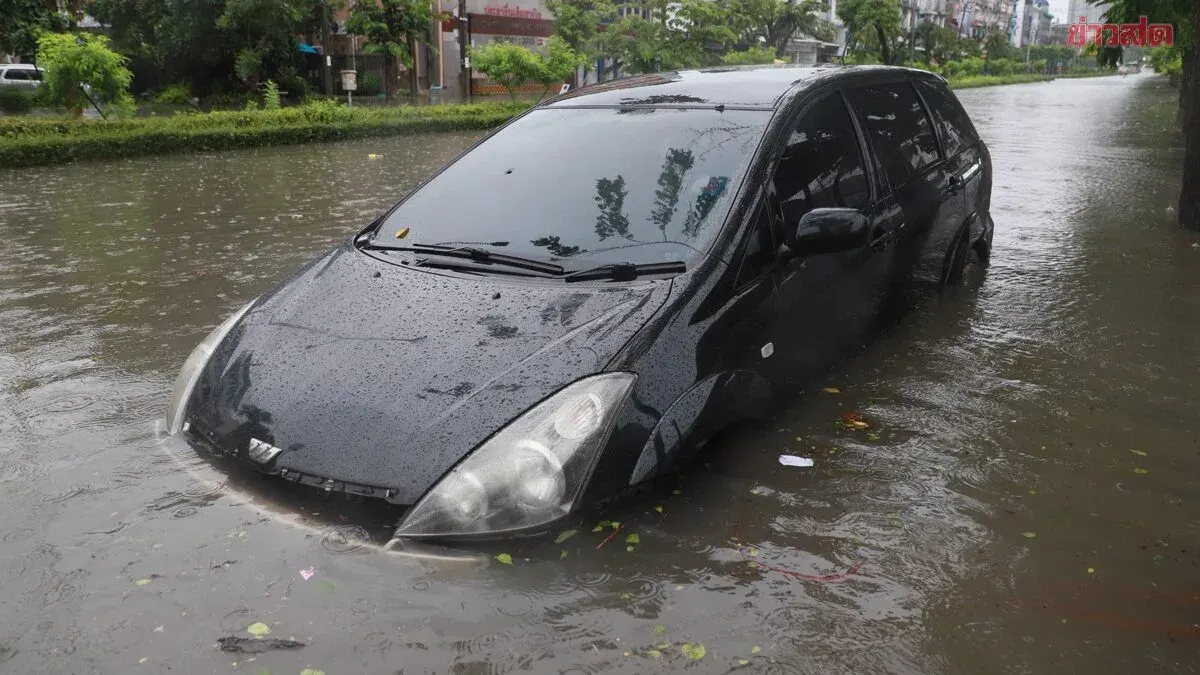
As the rainy season intensifies, many areas face repeated flooding that causes not only travel delays but also poses serious risks to life and property. Here are essential safety practices and guidelines for dealing with flood hazards that everyone should know.
1. Driving Through Flooded Roads
If you must drive through a flooded area, follow these steps to prevent engine failure and accidents:
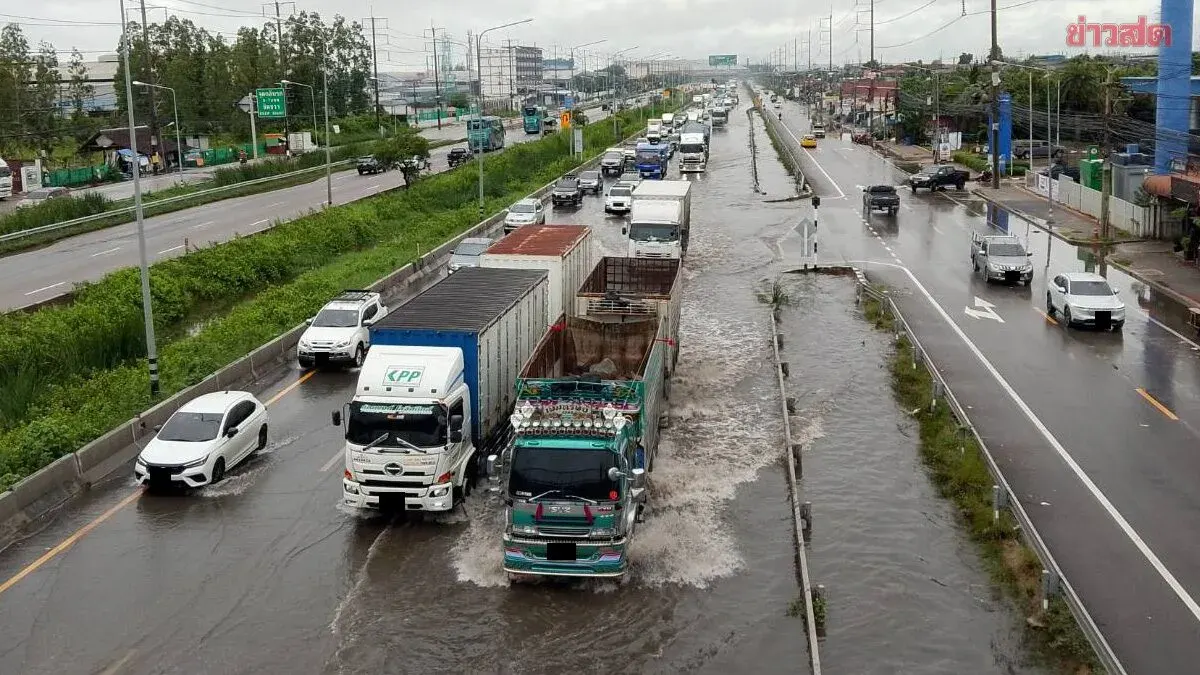
– Assess water depth first: Do not drive through if water level exceeds the middle of your wheel or reaches the exhaust pipe. Find an alternative route immediately.
– Turn off air conditioning: Running the AC activates the cooling fan and may pull dirty water or debris into the engine compartment, potentially bending fan blades or stalling the engine.
– Use low gear and maintain steady speed: For manual transmissions, use gear 1 or 2; for automatics, use L or D1 gear. Keep engine RPM steady by gently pressing the accelerator. Avoid sudden acceleration or hard braking.
– Increase following distance: Keep 2-3 times your normal distance from the vehicle ahead, as braking efficiency on flooded roads is severely reduced and water waves from the front vehicle can splash back.
– Test brakes after leaving floodwaters: Tap the brakes gently and repeatedly once you leave the flooded area to dry out the brake pads and restore normal braking function.
2. Parking Preparation
When flood warnings appear, advance planning is crucial to minimize vehicle damage:
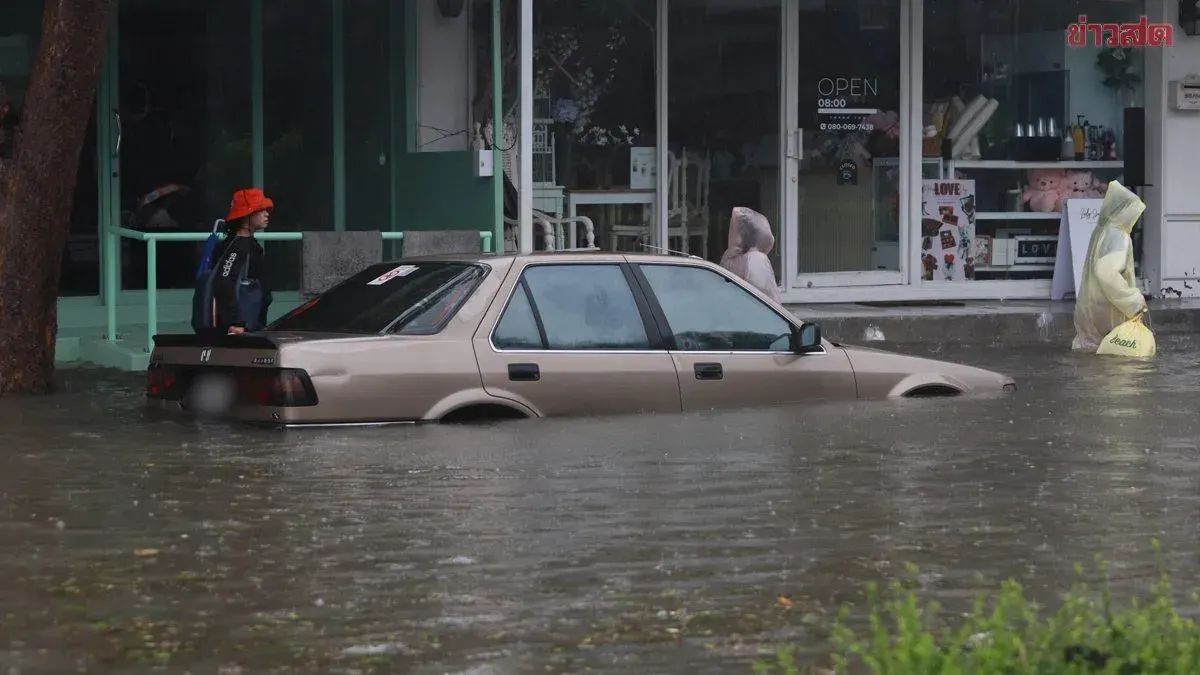
– Move your vehicle to high ground immediately: If you live in a flood-prone area, park on a multi-story car park, elevated terrain, or municipal parking areas. Avoid parking under large trees or near electrical poles.
– If you cannot move the vehicle: Use protective equipment such as a car flood bag or use a jack to lift the vehicle and place concrete blocks underneath.
– Use water barriers: Arrange sandbags around the vehicle and use thick plastic sheeting under the sandbags to slow water infiltration.
– Never start the engine after floodwaters recede: If your vehicle has been flooded, do not turn the key or press the start button, as this will cause electrical and engine damage. Disconnect the battery and immediately contact a tow truck to take it to a service center.
3. Safety When Wading Through Floodwaters
Walking on sidewalks or roads covered in floodwater carries hidden dangers, so take extra precautions:
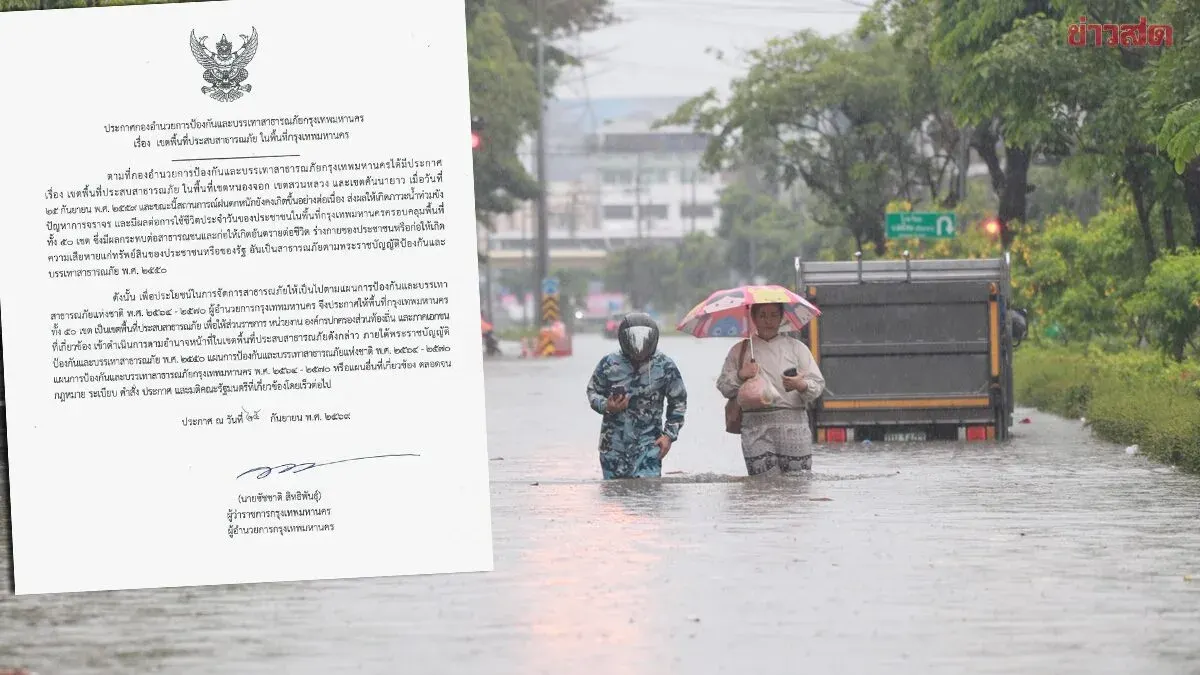
– Beware of electrical hazards: Avoid walking near electrical poles, telephone boxes, power control boxes, or illuminated signs. If you feel tingling or electric sensations on your body, stop immediately and move away.
– Watch for venomous and dangerous animals: Flooding drives snakes, centipedes, scorpions, and crocodiles from their habitats. Use a stick to probe the water ahead and stir the water to drive animals away. Always wear long plastic boots for protection against bites.
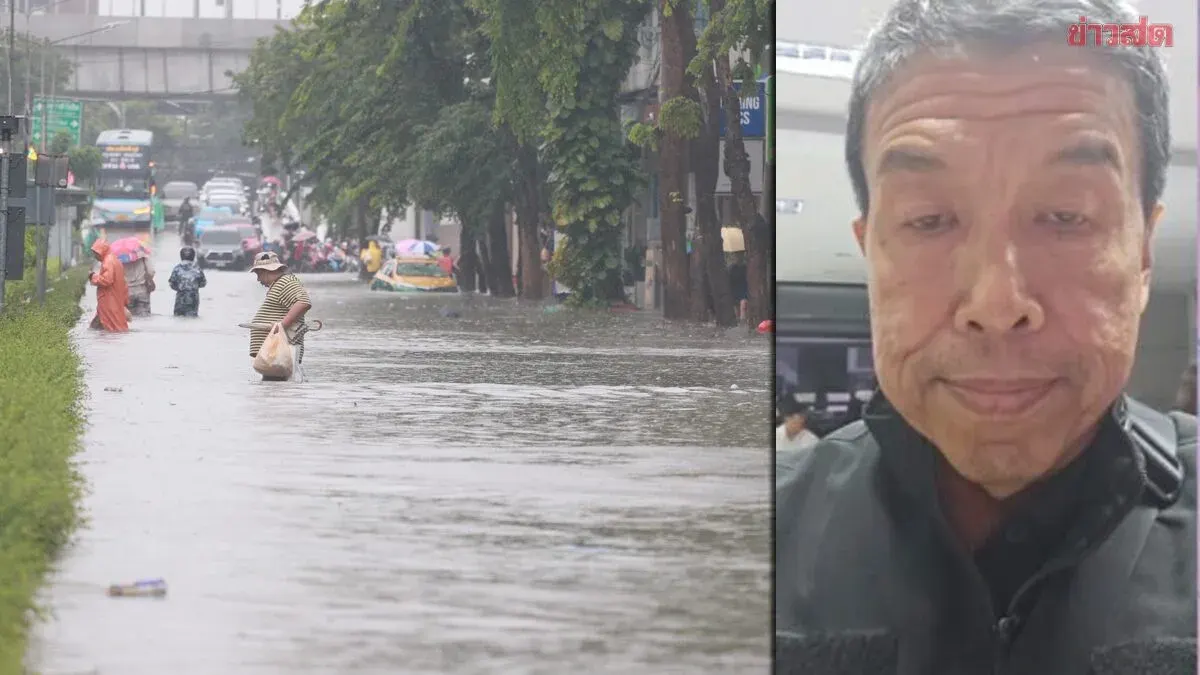
– Watch for hidden hazards and drain grates: Flooded water obscures the ground below, which may have open drain covers, concrete cracks, broken glass, or nails. Probing ahead with a stick can help check water depth and surface safety.
– Protect against water-borne diseases: Floodwater accumulates germs and bacteria, particularly those that cause leptospirosis.