School Teaches Diabetes Management With 'Eat Full, Still Lose Weight' Tagline
A school-based diabetes management program in Nakhon Nayok Province teaches patients and at-risk groups to control blood sugar through behavioral change, exercise, and proper nutrition rather than waiting for treatment after complications d
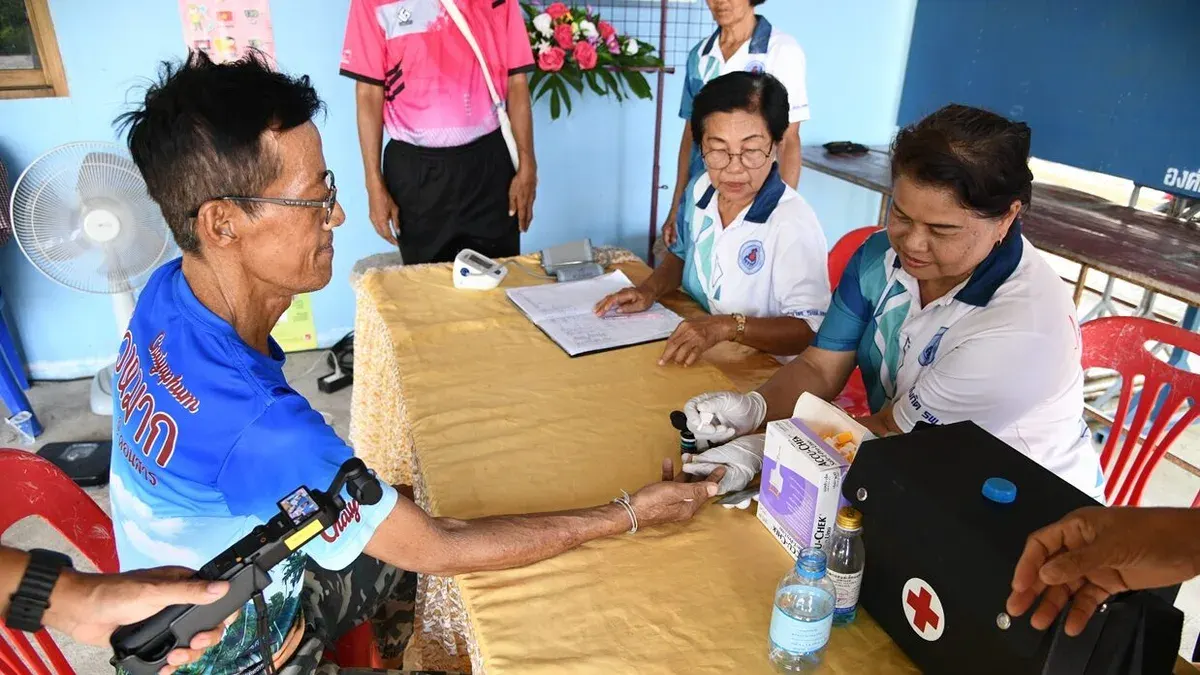
Poor lifestyle habits, inadequate physical activity, and unhealthy eating are major risk factors for non-communicable diseases, particularly diabetes, which remains a serious health challenge in Thailand. According to the Disease Control Department, approximately 6.5 million Thais have diabetes, with many unaware of their condition. Without proper blood sugar control, complications such as heart disease, stroke, kidney disease, and nerve damage can develop.
In response, the Sweet School at Tha Thrai, located within the Tha Thrai Subdistrict Administrative Organization in Mueang District, Nakhon Nayok Province, has become an important tool for managing diabetic patients and at-risk groups. The program shifts from "waiting for treatment" after symptoms appear to building protective measures by providing knowledge and skills that enable people to manage their own health in daily life through learning, hands-on practice, and encouragement, with support from health personnel, village health volunteers, and community members.
Thawachchai Deetongsouk, director of the Tha Thrai Subdistrict Health Promotion Hospital, explained that the Sweet School was established in 2567 (2024) in response to the high number of diabetes patients in the area. The hospital recognized the need to find ways to reduce risk and slow disease progression. The school's goal is to help at-risk groups and patients access knowledge and behavioral change methods they can apply in their daily lives to reduce disease risk and prevent complications.
The Sweet School is managed by the subdistrict health center director working with trained volunteer teachers from the community and health volunteers who have received capacity development from Nakhon Nayok Hospital. They serve as teachers, imparting knowledge, building skills, and encouraging learners throughout the behavioral change process. The Local Health Security Fund (part of the local government's health insurance scheme) works with the National Health Security Office to fund health promotion activities, disease prevention, treatment, and rehabilitation, ensuring the school's behavior-change program runs continuously.
"The core of the Sweet School is behavioral change that emphasizes patient learning, knowledge, and ability to self-manage and continue that management until the disease is controlled," Thawachchai said. "At minimum, we want patients to understand complications and become aware of them. Even if they can't do everything, it still helps delay the deterioration that will happen to the patient."
The director added that the Sweet School uses a four-month curriculum in which learners meet once a week on Mondays. The program begins with a health screening to gather baseline data before moving into learning about diabetes and its complications. Learners also receive instruction on appropriate exercise from trained teachers and learn about food choices, including carbohydrate management guidance from nurses. The program also creates space for learners to exchange experiences, encourage one another, and monitor their health changes each week.