Doctor Shares Tips to Reduce Belly Fat and Blood Sugar
A doctor recommends gradual dietary changes—reducing sugary drinks, adding protein, and filling half your plate with vegetables—to lower belly fat and blood sugar while improving skin and energy levels.
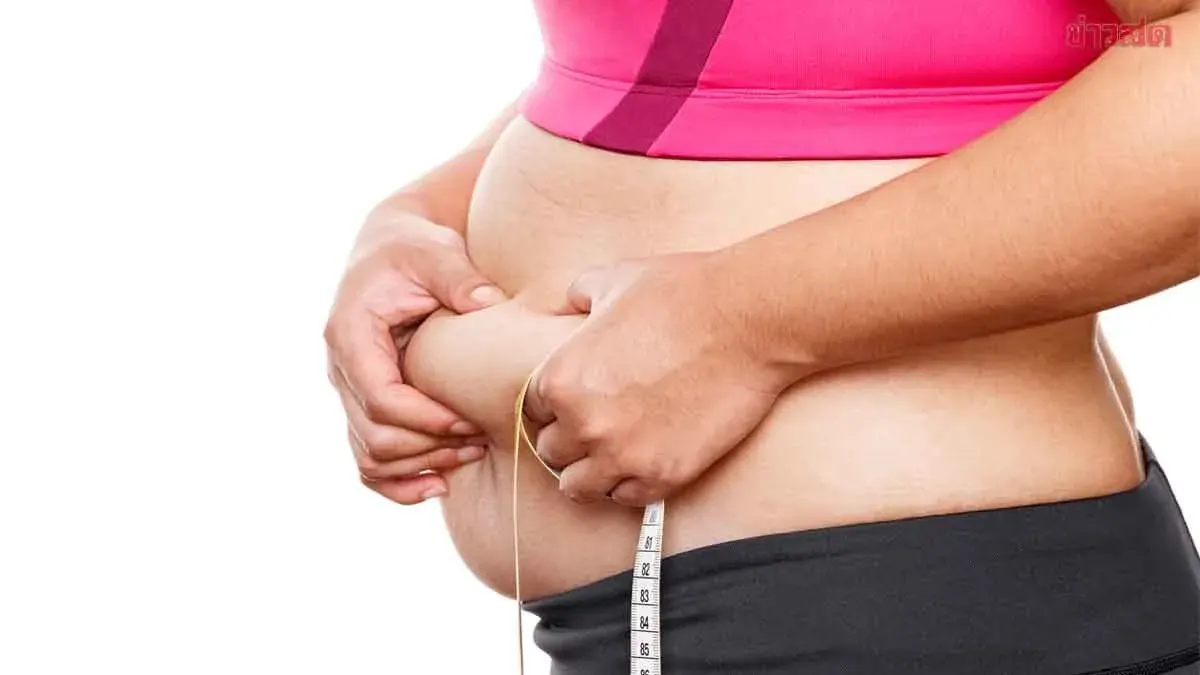
Dr. Jed shares secrets to losing belly fat, lowering blood sugar, and looking younger—it's easier than you think. He points out that good health doesn't come from one perfect meal but from gradually improving everyday eating habits.
Dr. Jetsada Boonvongvirojtchakarn, Deputy Director of Primary Care at Maha Sarakham Hospital, posted on Facebook as "Doctor Jed," explaining that reducing belly fat and blood sugar while looking younger requires checking your own meals: Do you have sugary drinks in the morning? Do you eat vegetables to fill half your plate at lunch? Do you actually have protein at dinner, or just rice and fried food? Do you snack in the afternoon?
If you answered yes to many of these, don't worry—these are the habits you can fix. When you improve your eating, your belly gradually shrinks, blood sugar stabilizes, triglycerides improve, fatty liver gets relief, daytime energy improves, and your skin looks fresher too, because health and appearance are connected.
When blood sugar is frequently high, your belly is large, you sleep poorly, and regularly eat fried and processed food, your body experiences both oxidative stress and glycation. Glycation is the process where sugar binds to proteins in the body, including collagen, making structures stiffer and less elastic.
By "looking younger" here, the doctor doesn't mean wrinkles disappear, but rather that inflammation decreases, blood sugar improves, sleep improves, muscle is preserved, and skin looks fresher than before. If you want to start, he recommends eight changes:
1. Start by checking your "glass" before your "plate." Think about your morning drinks: sweet coffee, Thai tea, milk tea, cocoa, soft drinks, fruit juice. Many people control their rice intake well but miss the 1-2 sugary drinks daily. Sugar in beverages enters the body easily and quickly without making you feel full. When done daily, excess energy accumulates in your belly and liver. If you have high triglycerides, fatty liver, or early insulin resistance, reducing sweet drinks should be your first priority. Start small: tomorrow, if you're still drinking sweet coffee, reduce the sweetness by one level—from regular sweet to less sweet, from less sweet to unsweetened, or from a large cup to a small one. Don't change your whole life in one day; just gradually reduce sugar in your drinks and your belly and blood sugar will benefit.
2. Look at your plate and make sure you see "real protein." Check your lunch: how much fish, eggs, chicken, tofu, or meat do you actually have? Some people eat half a plate of rice but only three small pieces of protein, or eat only chili paste and blanched vegetables. When people want to lose belly fat, many reduce rice first but don't add protein, so they get hungry soon, want snacks in the afternoon, and overeat at dinner. The benefit of protein is that it keeps you full longer and is vital for preserving muscle. Muscle is a major tissue that uses glucose, so if you lose weight while keeping muscle, your blood sugar management improves better than before. Aim for clear protein at each meal—two eggs, one piece of fish, skinless chicken, tofu, plain yogurt, legumes, lean meat—spread throughout the day. Don't have just coffee in the morning, a little meat at lunch, and load all your protein at dinner.
3. If vegetables are still just "plate decoration," increase them seriously. Look at today's plate: how much vegetable did you eat? Three cucumber slices next to your chicken and rice doesn't count as much. Fiber helps with many things at once: it increases fullness, slows sugar absorption, helps your digestive system, controls energy intake, and plant foods provide phytonutrients linked to heart and skin health too. Try increasing vegetables by one meal at a time. If you're eating very little now, start by adding more.