Senator Calls for Split Electoral Commission Powers
A Thai senator urged Parliament to separate the Election Commission's powers, arguing that one agency should not simultaneously organize elections and investigate violations—a structural flaw highlighted by hundreds of complaints in the 202
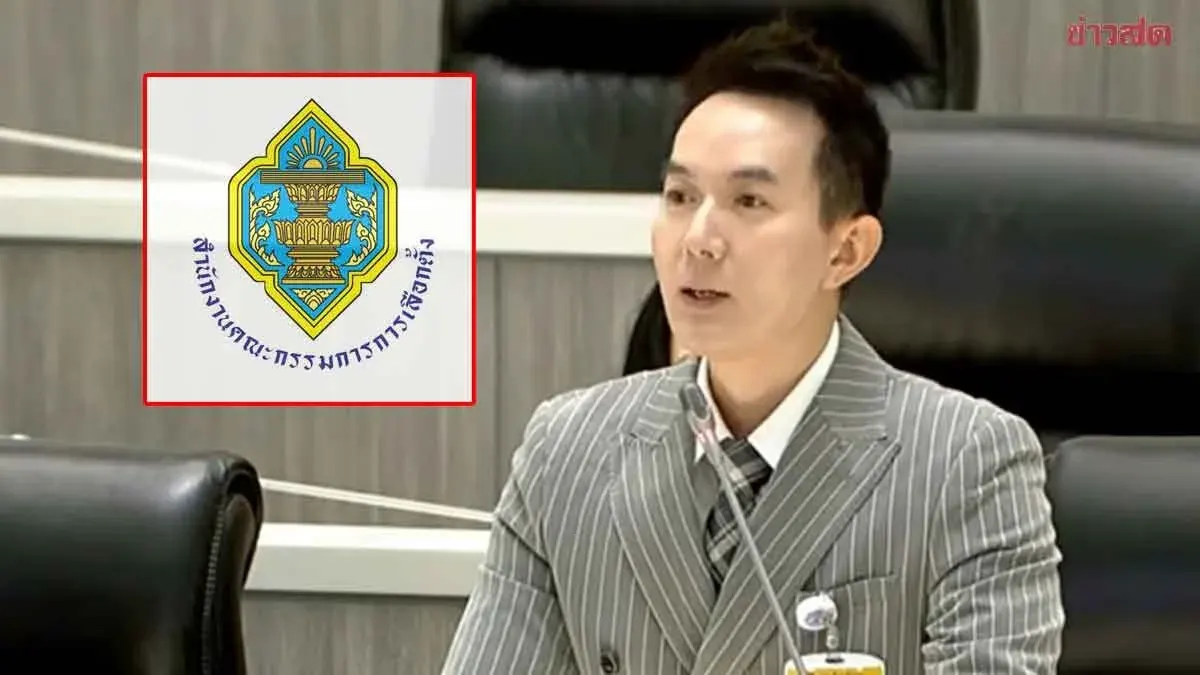
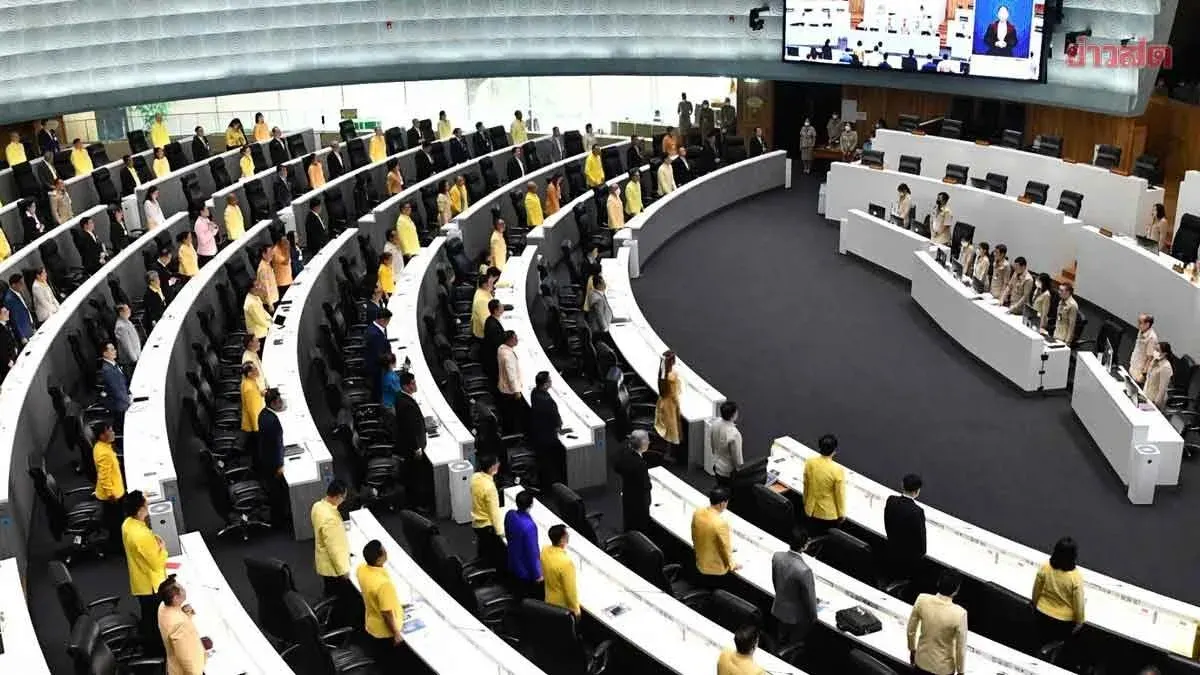
On September 21, 2024, at Parliament, the Senate considered a detailed report on developing Thailand's free and fair electoral processes from the Committee on Political Development, Public Participation, Human Rights, and Freedoms. At 10:50 a.m., Senator Pornchai Withayalertpun remarked that while the report is thorough, the current structure of the Election Commission presents a fundamental problem: it serves both as the election administrator and simultaneously holds powers of investigation, interrogation, adjudication, and authority to order recounts or new elections when problems arise.
This is not an accusation, he said, but rather a structural issue under current law—like giving a single organization the roles of operator, police, and prosecutor. Even with honest staff, such a structure invites questions about conflicting roles and responsibilities. The report identifies the same problem and clearly proposes separating the power to organize elections from the power to oversee them, preventing self-investigation.
Pornchai noted that the 2024 Senate election revealed the need to review the system. Recently, the Election Commission considered 427 complaints and voted on September 14 to file court cases and initiate criminal prosecution against 77 individuals, including 26 senators. He stressed that prosecution does not constitute guilt, but raised a crucial question: if one process generates this many complaints and investigations, should we merely adjust minor details or fundamentally examine the system's architecture?
He proposed dismantling and restructuring the Election Commission—separating consolidated powers and determining which authority should belong to whom. The game organizers should not be the same people judging the game. Critically, he noted, just seven Election Commissioners hold immense legal power over political processes—investigating, interrogating, ordering recounts, or new elections. Greater power demands greater accountability to the public.
The report further proposes reviving a public mechanism allowing 50,000 citizens to initiate removal proceedings against independent bodies, which Pornchai considers vital. He called on Parliament and the government to respect the 21.6 million voters who approved drafting a new constitution and to pass it promptly, amending relevant sections especially regarding Senate elections and the Election Commission's role.