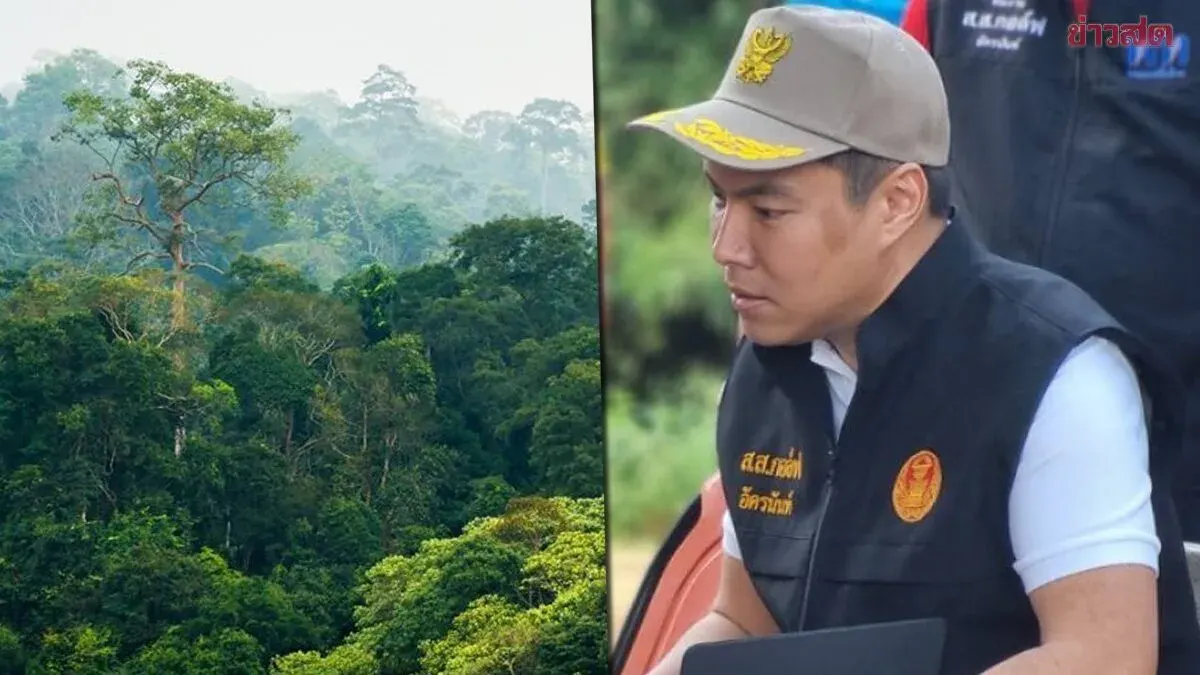
Songkhla Lake Bridge Must Include Dolphin Conservation Plan
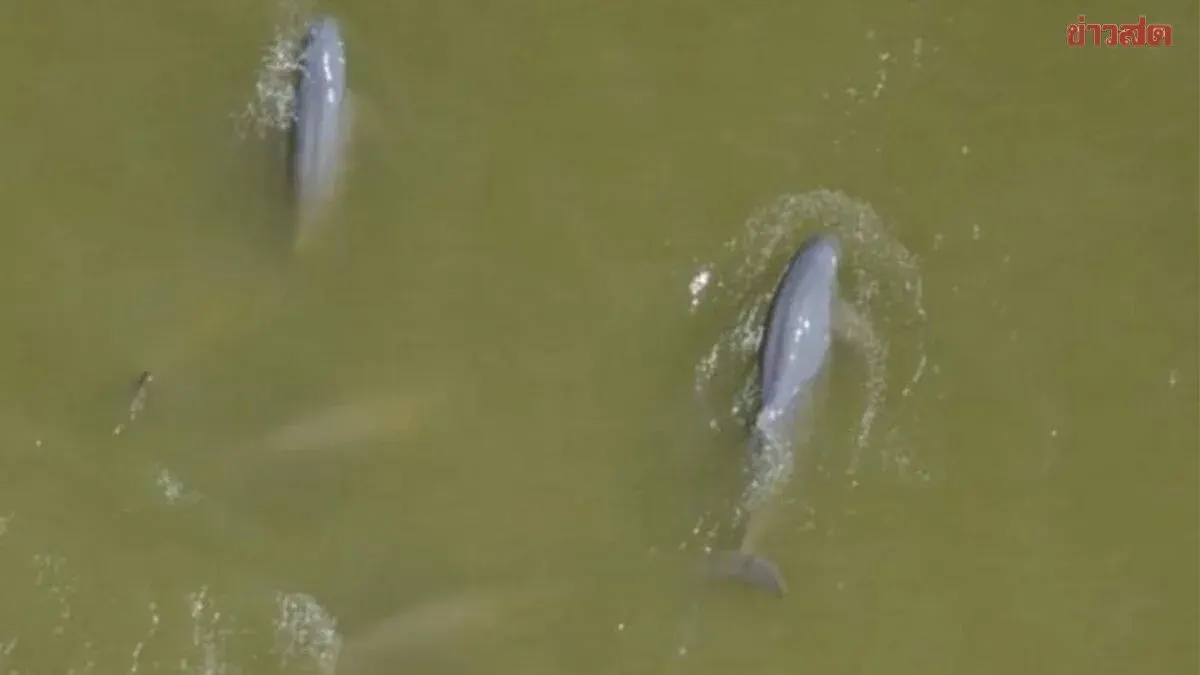
Thailand's cabinet approved the Songkhla Lake bridge project with a mandatory 402.818 million baht dolphin conservation program to protect the critically endangered Irrawaddy dolphins, of which only 14 remain in the lake.
The director of the Department of Marine and Coastal Resources, Pin Sak Surasawadee, discussed the Songkhla Lake bridge project and the Ko Lanta connector bridge linking Krabi's Krasaem Sindhu district to Trang's Khao Chai Son district. The cabinet approved this project on February 18, 2025, with a conservation plan budgeted at 402.818 million baht over five years.
Since the bridge falls within an area requiring special environmental protection, a parallel Irrawaddy dolphin conservation program is essential. Only five countries worldwide still have this dolphin species, with Thailand having merely 14 individuals left. They are listed as critically endangered by the IUCN, with their small population in crisis. As the last dolphin group in Songkhla Lake, they require protection and habitat restoration alongside efforts to reduce all threats.
From 2006 to 2025, 69 dolphins died, primarily from fishing gear, especially nets. Since implementing a ghost net retrieval program and working with stakeholders to eliminate harmful fishing equipment, mortality rates have declined significantly. No dolphin deaths have been reported this year, though vigilance remains necessary. Calf mortality is concerning, with a mortality rate exceeding 40 percent, indicating low population growth potential due to small population size, reduced genetic diversity, natural behavior, and environmental factors in Songkhla Lake.
Pin Sak emphasized that the project must balance infrastructure development with natural resource conservation. The government mandates that conservation planning accompany project development to prevent, mitigate, and monitor impacts on dolphins and the lake ecosystem. The conservation plan will address habitat restoration, ecosystem recovery, food sources, community participation, and knowledge development to ensure sustainable results.