Former parliamentary speaker Wan Muhamad Noor Matha has called for dissolving Thailand's Internal Security Operations Command, citing unclear mandate, budget bloat, and a recent shooting of an MP using ISOC vehicles and personnel. Prime Min
A proposal to dissolve the Internal Security Operations Command (ISOC) by Wan Muhamad Noor Matha, former parliamentary speaker and current advisor to the Democrat Party and Prime Minister, has triggered considerable pushback. Prime Minister Anutin Charnvirakul rushed to clarify his position, insisting that ISOC cannot be disbanded due to its long historical significance to Thailand.
The controversy began during a budget committee meeting where Wan Noor criticized ISOC's operations, saying its mandate was unclear, its budget excessive, and its work duplicated other agencies' efforts. He questioned what distinctive accomplishments ISOC has achieved, noting that the only notable action in recent months was the shooting of a member of parliament.
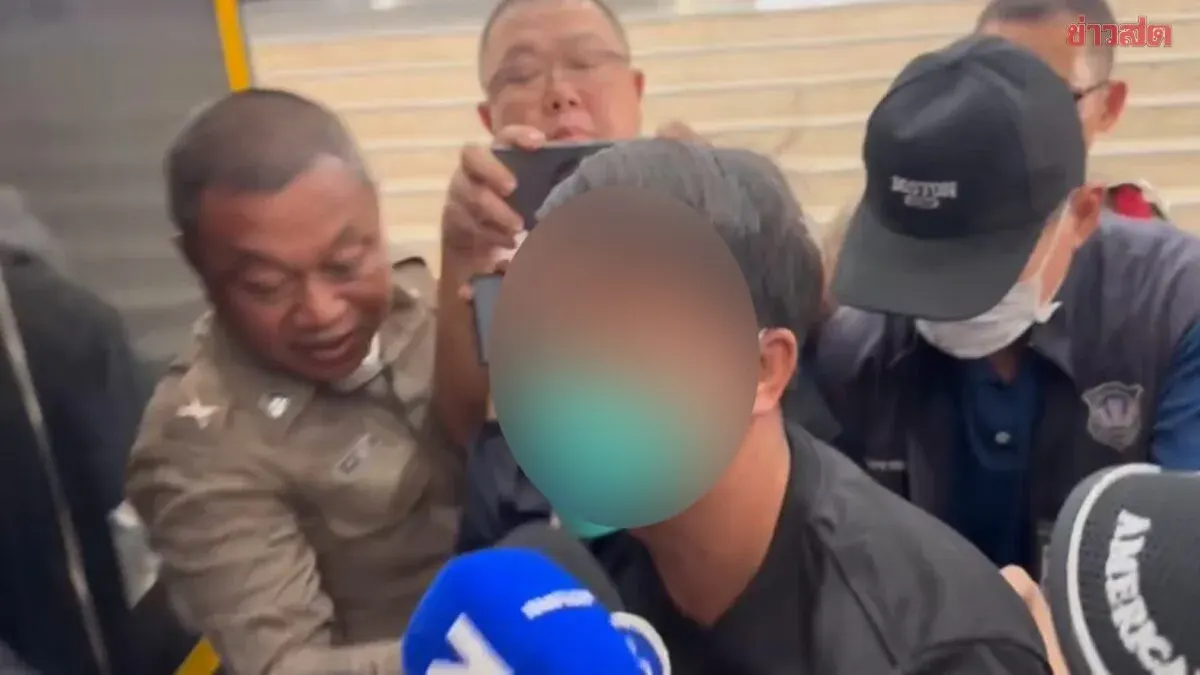
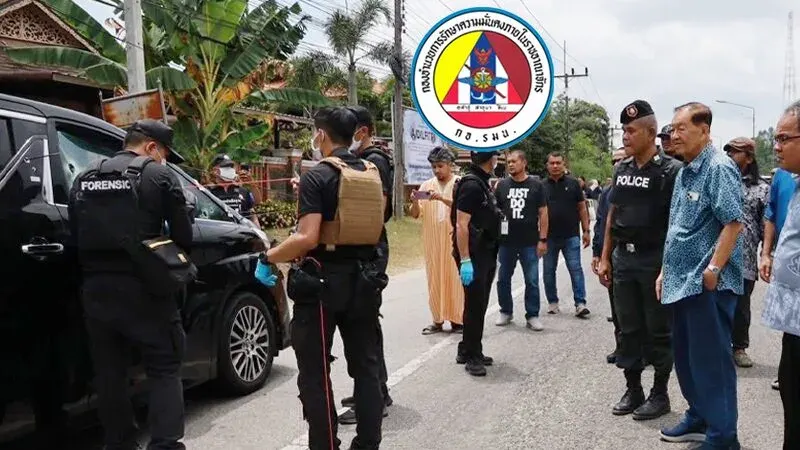
Wan Noor challenged whether shooting lawmakers should fall under ISOC's purview, pointing out that arrests have been made and cases are proceeding through courts using ISOC vehicles, weapons, and personnel. He characterized the shooting incident involving MP Kamlak Leewamao as a deeply troubling reflection of ISOC's actual performance.
Wan Noor also noted that when he asked southern MPs what they feared most, they cited ISOC itself—a concerning revelation given that even parliamentarians are being shot. He questioned what security citizens could expect under such circumstances.
The call for ISOC's dissolution stems not merely from frustration over an MP being targeted, but from broader concerns about the incident's devastating impact on public morale across three southern provinces. Numerous mysterious shootings have occurred in the region, with suspicions that they may involve covert government units rather than southern insurgent groups.
The involvement of former naval officers, rangers, active military personnel, and ISOC officials—along with ISOC vehicles and government-issued weapons—deepens suspicions about the true nature of violence in the south. Questions persist about who is actually responsible and whether there is deliberate interest in perpetuating the conflict.
The southern border security landscape already includes the Fourth Army Region, Region 9 Police, the Border Patrol Police, and various other agencies. Critics question ISOC's distinct role, whether it merely duplicates other units, and whether its vague mandate allows it to operate with impunity and without accountability.
ISOC, formally the Internal Security Operations Command, was established in 2508 (1965) during the Cold War era to combat communism. Although communism has long ceased to be a threat, the agency continues covert operations. Its name itself suggests a focus on internal security—essentially targeting threats from within the nation itself.
The MP shooting incident, involving ISOC personnel, vehicles, and weapons, underscores dangerous hidden operations by certain agencies, making calls for ISOC's dissolution increasingly understandable.