Stroke Symptoms Go Beyond Facial Drooping, Doctor Warns
A doctor warns that stroke symptoms extend beyond classic signs like facial drooping, including sudden balance loss, double vision, and language confusion that are often mistaken for fatigue or intoxication. Any abrupt change in brain funct

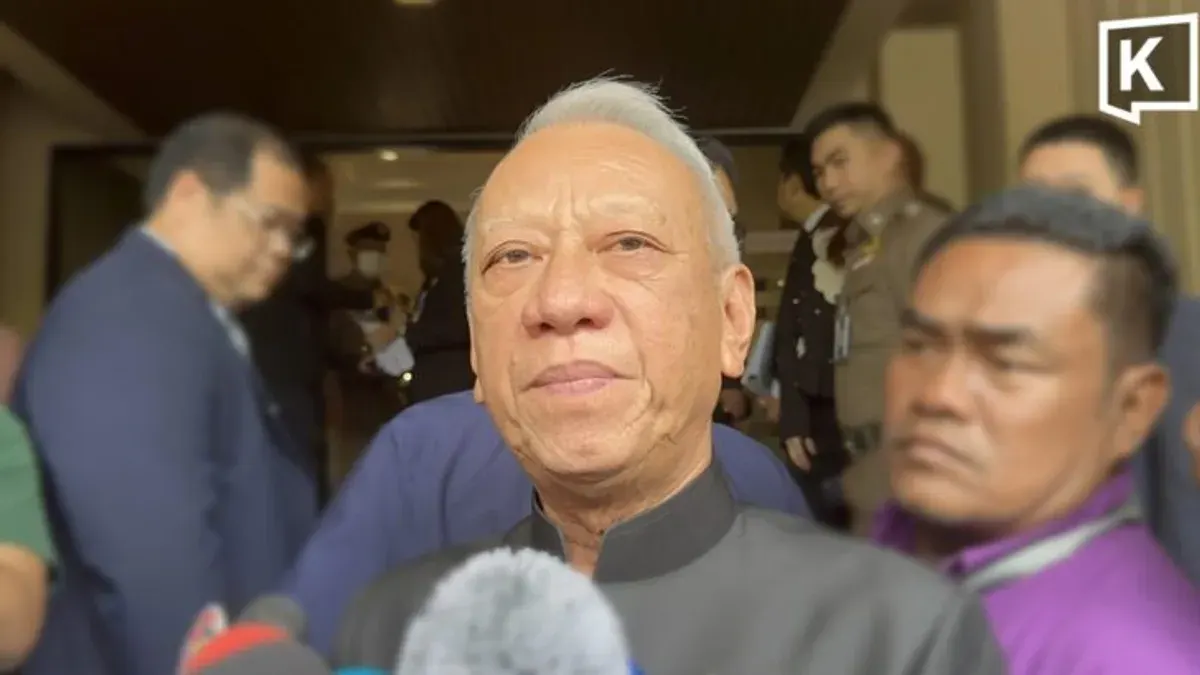
Dr. Jed Bunyawongvirojn, Deputy Director of Primary Care at Maha Sarakham Hospital, posted on his Facebook page "Doctor Jed" to educate the public about stroke, emphasizing that the condition doesn't always present with the classic triad of facial drooping, arm weakness, and speech difficulty. Some stroke patients may show no facial drooping or arm weakness but suddenly walk unsteadily as if intoxicated, see double images, use incorrect words despite speaking fluently, or lose fine motor control in one hand. Because these symptoms appear "unlike a typical stroke," people around them often dismiss them as fatigue, insufficient rest, low blood sugar, or dizziness.
The most important thing to remember, the doctor stresses, is that stroke causes sudden changes in brain function. If someone's mobility, speech, or vision changes abruptly without prior warning, don't wait for facial drooping to appear.
Sudden balance loss and unsteadiness: Strokes in the cerebellum or brainstem affect balance and coordination. Symptoms may include inability to walk straight, body leaning to one side, needing to hold walls while walking, crossed legs, or inability to stand unaided. In other cases, arm strength remains but movements become imprecise—missing a glass when reaching, fingers not touching accurately, or trembling while eating.
Double vision or loss of visual field: Vision is processed not only by the eyes but also by the back of the brain. When blood vessels in this area are affected, people may see one person as two, experience overlapping images, lose vision in one field, repeatedly bump into doors or objects on one side, or notice text appearing to disappear mid-line while reading. This is called visual field defect. Another warning sign is one eye suddenly going dark as if a curtain has closed, which may relate to blood flow issues affecting the retina. If vision changes suddenly and this has never happened before, don't assume it's just eye strain.
Incorrect language use despite clear speech: Most people watch for slurred speech or tongue stiffness, but some strokes don't weaken mouth muscles—they damage the brain regions that create and understand language. A patient may intend to ask for water but cannot recall the word, recognize a pen but be unable to name it, or speak fluently with clear pronunciation yet produce sentences that make no sense. Others may speak while the patient appears not to understand their native language. For example, when asked to raise their right hand, they do something else entirely, despite hearing clearly. This is called language disorder and is a stroke symptom.