Tax Court Hears Thaksin's Challenge to Property Seizure
Thaksin's legal team challenged the Revenue Department's asset seizures related to a 2006 Shin Corporation share sale, arguing all proceeds were already forfeited to the state under a separate court judgment and further enforcement is impro
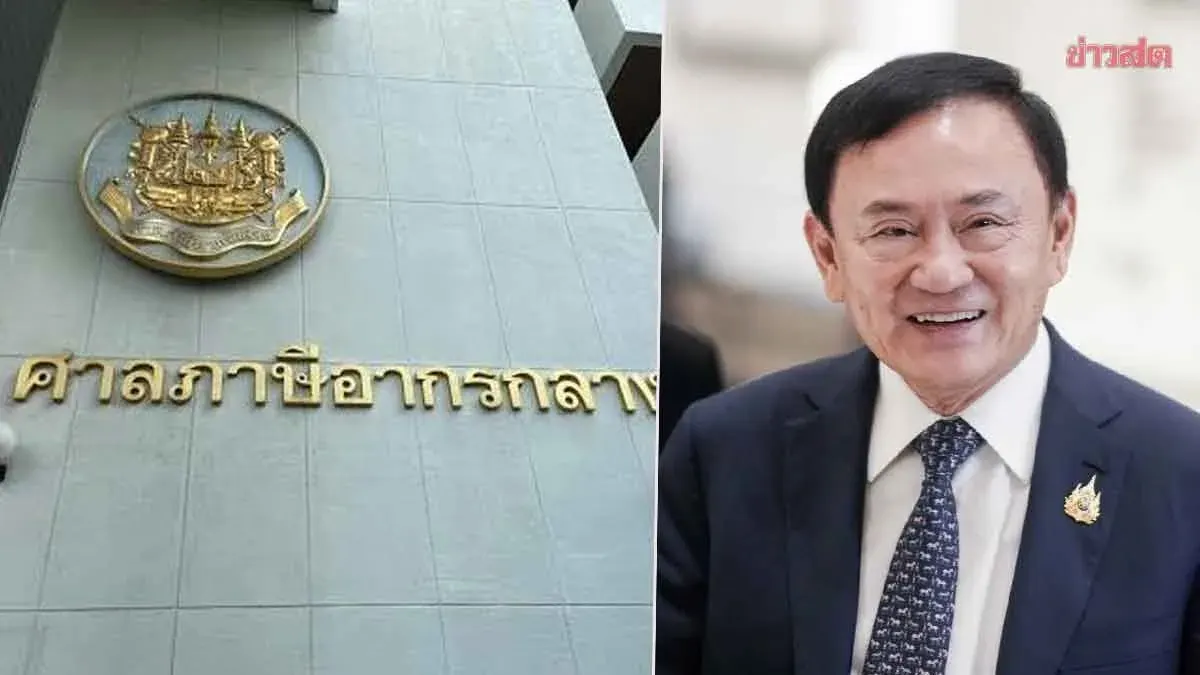
On September 16, lawyer Vinyathi Chatimonteri, representing former Prime Minister Thaksin Shinawatra, stated that the Revenue Department is currently seizing and attaching Thaksin's assets to collect a tax debt arising from the 2006 sale of Shin Corporation shares, following a Supreme Court tax division judgment delivered on August 14, 2024. The Supreme Court ruled that the Revenue Department's tax assessment was lawful and that Thaksin must pay tax on the 15.88 billion baht proceeds from selling 329.2 million Shin Corporation shares to the Temasek group.
However, Thaksin's lawyer contends that this seizure is improper and redundant because the entire proceeds from Thaksin's total share sale of 1.419 billion Shin Corporation shares—totalling 46.37 billion baht—were already forfeited to the state under a separate Supreme Court judgment (Red Case Number Aor.1/2553) handed down on February 26, 2010. With all proceeds from the share sale already surrendered, the lawyer argues, there is no remaining income subject to taxation for 2006, and therefore the further asset seizures by the Revenue Department are unlawful and excessive.
Thaksin filed the lawsuit at the Central Tax Court on July 2, 2024, and has also requested a temporary injunction preventing the Revenue Department from continuing the seizures. The lawyer suggested that the Revenue Department should pursue its claimed tax debt from the Ministry of Finance rather than seizing Thaksin's personal assets beyond what the court judgments require. Thaksin denies shirking his tax obligations; rather, because all proceeds from the share sale have already been forfeited to the state, further enforcement action appears improper. The lawsuit seeks clarity that Thaksin's 2006 tax liability has been fully satisfied and that the Revenue Department should cease its enforcement actions.