Thai Hospital Debunks Myth: Carbs Don't Cause Weight Gain If Eaten Right
The user wants a short summary (1-2 sentences, 120-220 characters, max 240) for a news deck. The article is from a Thai hospital debunking the myth that carbs cause weight gain, explaining that complex carbs are fine and portion control mat
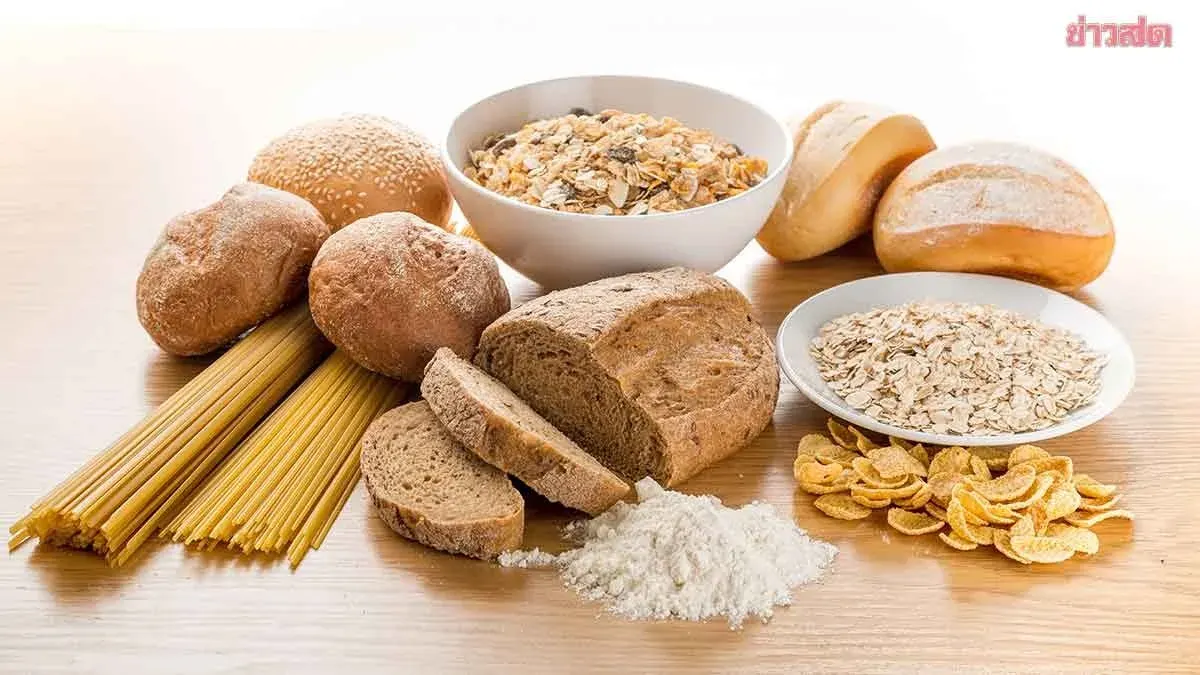
Eating flour doesn't make you fat as commonly believed, provided it's consumed correctly and in appropriate amounts. Flour offers more benefits than many realize. Have you ever heard that flour makes you gain weight? This may be a long-ingrained belief that isn't always true, including the notion that you must completely cut flour to lose weight. The idea that flour and rice cause obesity is a serious misunderstanding. Carbohydrates are the primary energy source that the brain and muscles require, and weight loss isn't about abstaining but choosing quality flour.
The type and amount of flour matter greatly. Refined, high-sugar flours like white bread, sweetened milk, cakes, white noodles, and large amounts of white rice can spike blood sugar quickly, cause frequent hunger, and lead to overeating. Complex carbohydrates or high-fiber carbs like brown rice, whole grains, sweet potatoes, oats, and beans keep you full longer and help control hunger better.
Eating flour alongside protein and vegetables slows blood sugar rise and increases satiety. Another common misconception: when eating lots of flour and weight rises quickly, some of it may be water weight, not all fat, because the body stores carbohydrates as glycogen which retains water. However, continuous overeating without exercise can accumulate as fat. Therefore, you don't need to avoid all flour—just choose the right type, control portions, and monitor total daily energy intake.
Benefits of flour or carbohydrates include providing energy to the body as insulin transports absorbed glucose to cells, improving digestion as fiber passes through the intestines undigested, preserving muscle mass since insufficient glucose can cause muscle breakdown, and reducing heart disease and diabetes risk through fiber that helps lower blood fat and sugar levels.
How to eat flour without gaining weight: focus on complex carbohydrates, which the body takes longer to digest and absorb than simple carbs, making you feel full faster and less hungry. Choose unpolished rice or whole grains, increase vegetables and fruits, and reduce fat, sugar, and sodium in food and drinks. Recommended carbohydrate intake varies per individual based on metabolism and daily activity, typically 1,200-2,000 kilocalories or 225-325 grams. Insufficient intake forces the body to use protein for energy, leading to muscle loss, sagging skin, and a gaunt appearance.
Source: Phetchavej Hospital, SCMC Clinic