Thai PBS Defends Independence Amid State Audit Review
Thai PBS held a press conference to rebut the State Audit Office's inspection, insisting on its independence and freedom from interference. Officials said the broadcaster's mission has grown more than tenfold while its budget remains unchanged, and over half of its 1,000-plus staff do not work solely on news, necessitating external producers. They called for fair audit procedures and urged the SAO to maintain professional standards and allow full explanation before concluding.
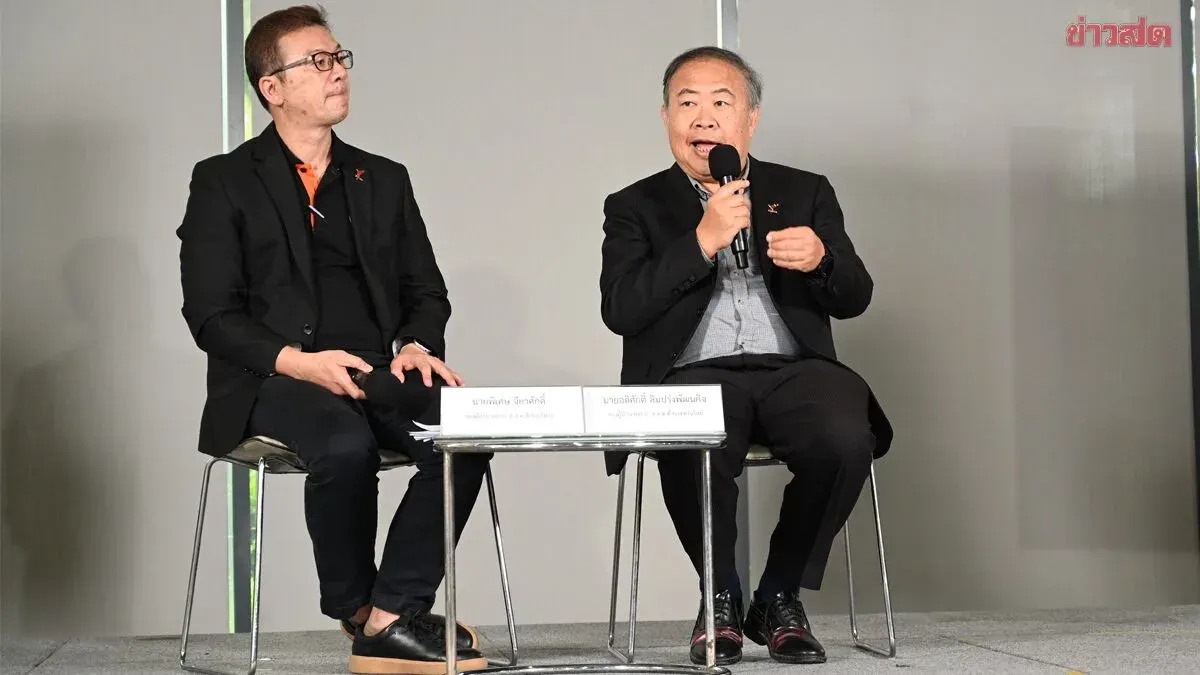
At 2:00 p.m. on October 14, 2569 BE (2026 CE) at the Thai PBS headquarters, Deputy Director Adisak Limprungphattanakit and Deputy Director Pisut Jiyasak jointly held a press conference to explain the State Audit Office’s inspection of the broadcaster. Pisut outlined the audit process and emphasized that the key issue is independence – the audit must be free from any interference, be fair, give the audited party a full chance to respond, and weigh evidence before concluding. He said information and observations should not be released publicly until the audit is complete to avoid damaging reputations, and called for the SAO to apply the same professional standards used across all agencies to build confidence. Pisut stressed that independence means being free from interference in operations, funding, or any other manner, and must be carried out with honesty and transparency. He thanked the first audit team for following legal procedures and giving Thai PBS ample opportunity to present its views before the team’s final report, noting that the second and third audit teams did not hold an exit conference or allow sufficient explanation before drawing conclusions. Pisut said the SAO’s findings can be answered, before turning to the need to update performance indicators to match modern media consumption, citing the PSI rating as an example where traditional TV viewership is falling while online viewership rises. He urged the SAO to adjust its indicators to focus more on online platforms and geographic distribution of information to reach a broader audience. Meanwhile, systems such as One Thai PBS are being integrated to improve internal efficiency. Adisak added that Thai PBS’s operations and the expansion of its mission involve growth and budget considerations.