Thailand Absorbs 222,500 Tons of Durian as Season Winds Down
Thailand has absorbed over 222,500 tons of durian as the harvest season winds down, with the Commerce Ministry coordinating exports and domestic purchases to stabilize prices amid increased output and international demand.
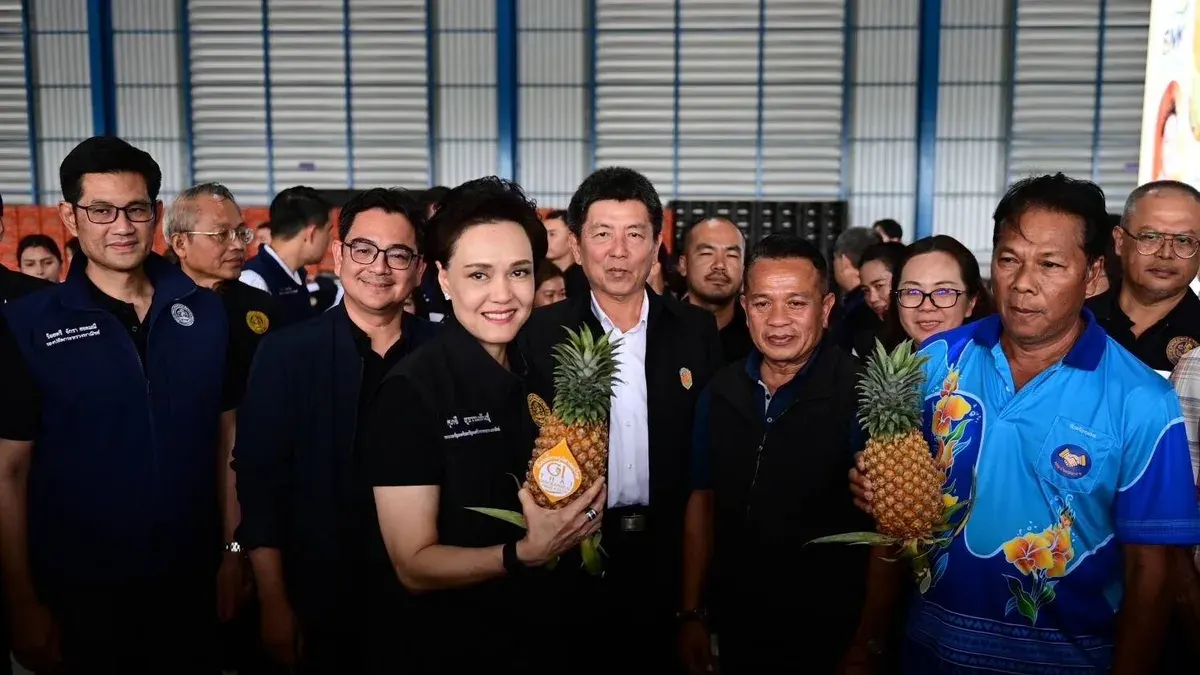
Deputy Prime Minister and Commerce Minister Supalee Suthumphand visited Chumphon province on August 8 to oversee southern fruit management and tackle durian supply during the final phase of the harvest season. She met with government agencies, private businesses, operators, and farmer representatives at Sirimongkol Corporate Group in Sawi district to address production challenges and gather regional input. Supalee explained that her visit aims to strengthen Chumphon as a crucial regional fruit hub, noting that robust management in the province will support neighboring areas. This year's durian output has increased compared to last year, with 70–80% of the southern harvest already reaching market. Price fluctuations prompted her to order government purchases starting in June to stabilize prices, with a target of absorbing 300,000 tons—over 200,000 tons have been purchased so far.
As of August 4, Thailand has exported 1,110,655.92 tons of durian (68,044 containers) worth over 127.22 billion baht, demonstrating sustained international demand despite rising production volumes, shipping costs, and competition from rival suppliers. The Commerce Ministry is expediting export and transport logistics by coordinating with all relevant agencies, utilizing rail and Nong Khai border routes to prevent bottlenecks and reduce logistical constraints. Supalee emphasized the need to develop forward markets and stimulate demand both domestically and abroad to ensure timely product flow.
Beyond durian, Supalee stressed managing Chumphon's full fruit portfolio—including mangosteen, banana, pineapple, and other geographic-indication products—on staggered harvest schedules. She ordered the provincial commerce office to prepare a detailed fruit calendar showing which fruits will peak during each period, enabling the Commerce Ministry to coordinate marketing at optimal times. She also highlighted the importance of adding value and handling surplus through initiatives such as converting durian peels into organic fertilizer using Maejoob engineering methods, which recycles waste, reduces costs, and supports zero-waste principles.