Thailand Launches Water Security Push in Chanthaburi's Durian Belt
Thailand's government launched a water security initiative in Chanthaburi to support the durian-growing region's agriculture and wildlife, inaugurating a solar-powered pond restoration project that will increase irrigation capacity for 2,50
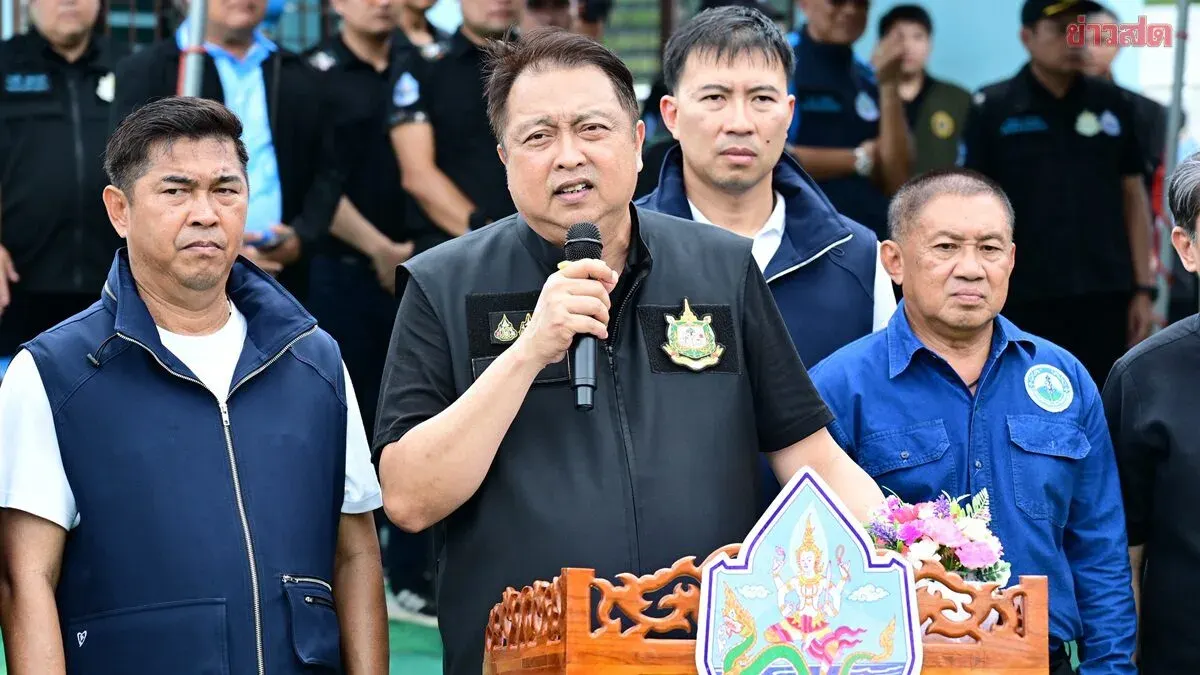
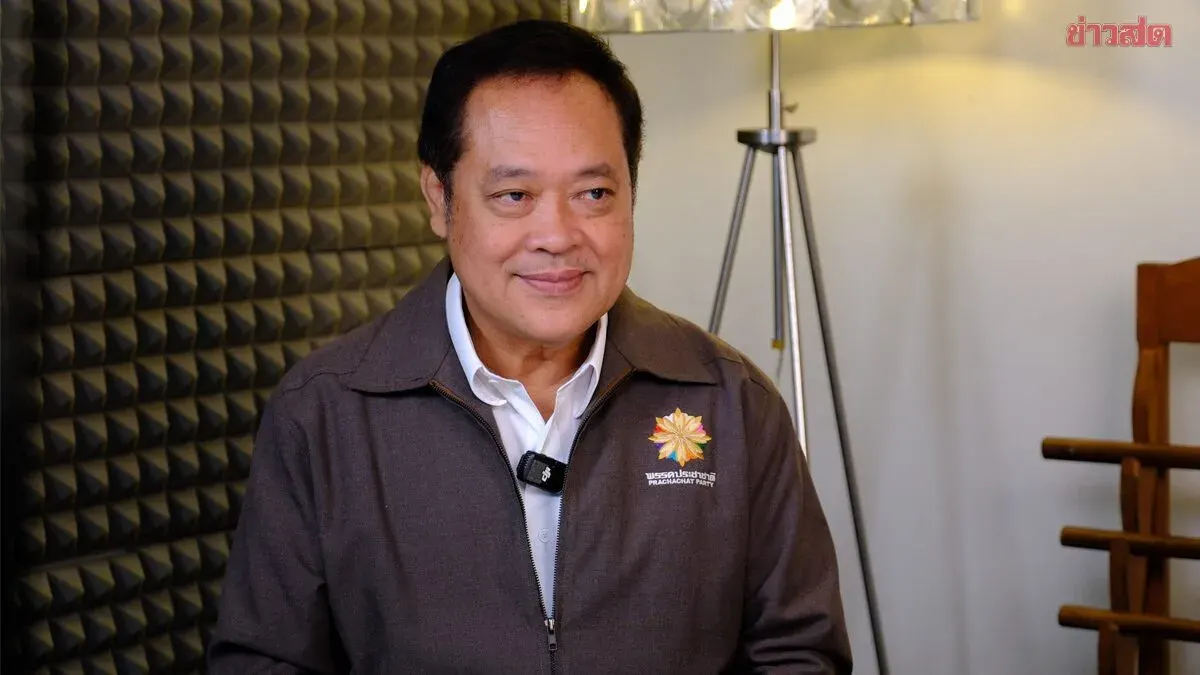
On August 8, 2026, at 1:00 p.m., Natural Resources and Environment Minister Suchart Chomklin, alongside Thirachunn Bunsitti, director-general of the Royal Irrigation Department, and provincial officials, visited Chanthaburi to advance the government's water management policy. The initiative aims to increase water supply for agriculture during both dry and wet seasons while securing water sources for wildlife, particularly wild elephants, ensuring sustainable access for people, farmers, and animals.
Chomklin stressed that Chanthaburi is a strategic agricultural hub and Thailand's leading durian producer, generating over 200,000 million baht in export revenue. With some 478,000 rai planted with durian trees expected to yield 683,000 tonnes this year, water security is not merely a consumption issue but an economic lifeline for farming communities. He emphasized that water planning must be proactive, providing sufficient base water supply so farmers can sustain their livelihoods with confidence.
At the event, Chomklin inaugurated the Tung Tung Yai pond restoration project in Tang Benja subdistrict, which features a solar-powered water distribution system. The irrigation department dredged the reservoir to increase capacity by 0.28 million cubic meters, covering 2,500 rai and benefiting 200 households. The project reduces dry-season water shortages, manages wet-season overflow, and cuts energy costs.
Chomklin noted that modern water development must address economics, community welfare, and environmental protection simultaneously—not merely digging reservoirs but enabling genuine access and use. Solar energy integration reduces pumping costs, improves management efficiency, and builds long-term community resilience. The team later visited Khao Kaew Subdistrict Administration Organization to address local water and flood management needs, then traveled to the Chang Phu Sak Taniam pond restoration project in the Khao Kichakut wildlife corridor area.