Thailand Plans 534-Km Southern Rail Double-Track Network to Malaysia
Thailand's State Railway has approved a 534-km double-track rail project connecting southern cities to Malaysia, with construction starting in 2027 at a cost of 106.8 billion baht and redesigned to include flood-resilient elevated sections

Deputy Transport Minister Sarpetch Bunyamani announced on August 16 that the State Railway of Thailand has approved the approach for Phase 2 of the southern double-track railway project, covering three routes totaling 534 kilometers. The network will connect Chumphon, Surat Thani, Hat Yai, and Padang Besar at the Thai-Malaysian border. The railway is expected to be presented to the cabinet during a provincial meeting in Songkhla on September 1, 2025.
The project comprises three segments: Chumphon-Surat Thani (168 km), Surat Thani to Hat Yai junction-Songkhla (321 km), and Hat Yai junction-Padang Besar (45 km). The initial construction phase will prioritize 504 kilometers at a total cost of 106.798 billion baht, while the Hat Yai junction-Songkhla section (30 km) will be considered in later phases due to dense residential settlement in the area.
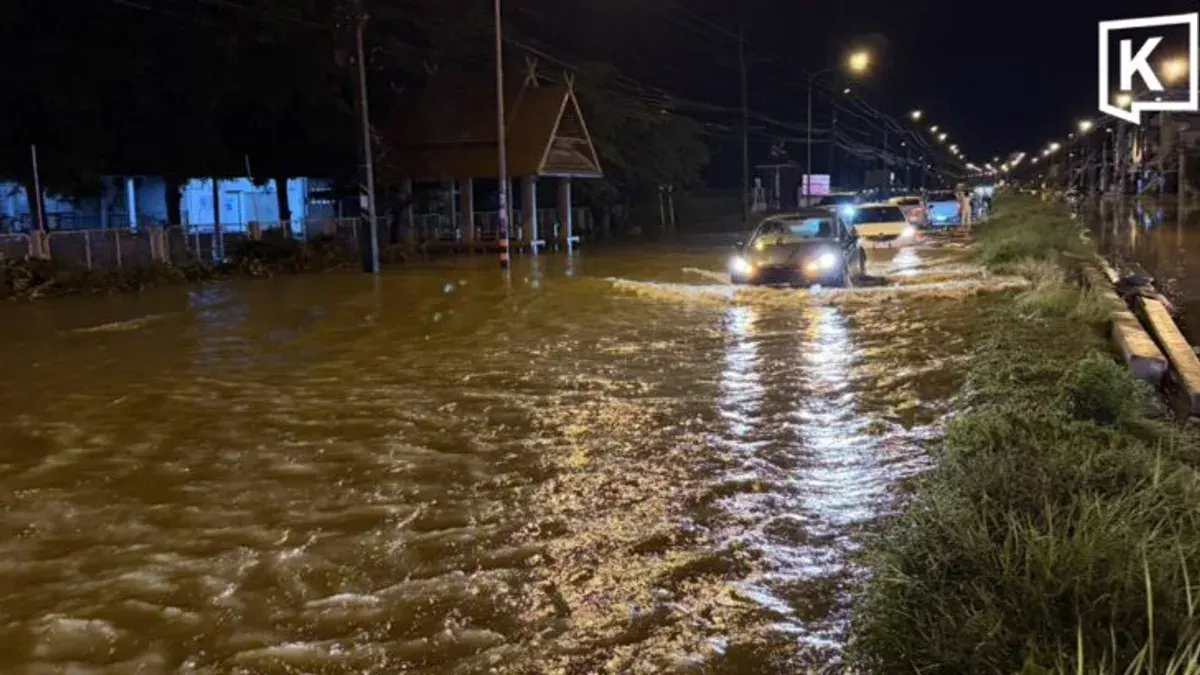
The project has been redesigned following the November 2024 flooding in Hat Yai, with some sections converted from ground-level track to elevated bridges (approximately 3 km) and raised embankments (approximately 2 km) to improve flood resilience and reduce service disruption. Sarpetch emphasized that the investment must address long-term infrastructure needs while applying lessons from recent floods.
The Chumphon-Surat Thani segment (168 km, 36.892 billion baht) is expected to take five years of construction from July 2027 to June 2032. The Surat Thani-Hat Yai junction section (291 km, 61.534 billion baht) requires six years from July 2027 to June 2033, and the Hat Yai junction-Padang Besar stretch (45 km, 8.371 billion baht) is planned for four years from July 2027 to June 2031. The deferred Hat Yai-Songkhla segment (30 km, 15.922 billion baht) awaits future evaluation due to competing transport and urban development priorities in the region.