Thailand Plans Harsher Fines for Illegal Industrial Waste
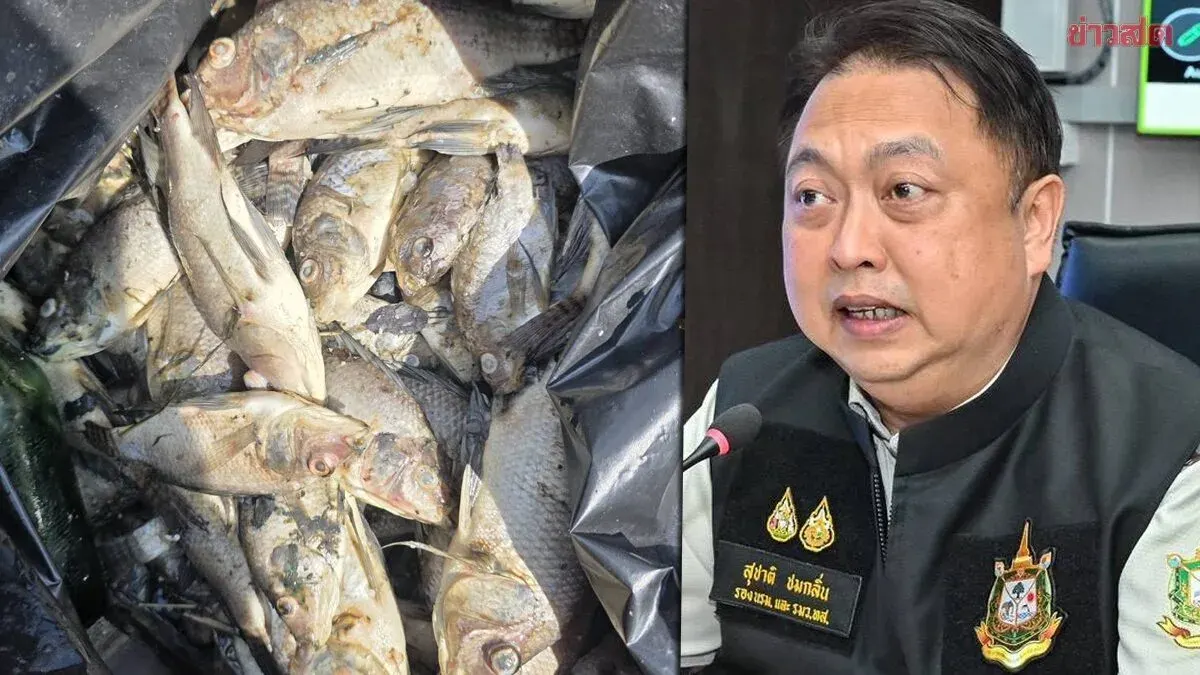
Industry Minister Warawut Silpa-archa said Thailand will raise penalties for illegal industrial waste disposal to as high as eight figures and may seize offenders' assets. He announced plans to amend the Factory Act and hazardous‑waste law, and to speed up recycling centers for solar panels and EV batteries while using AI to boost farm incomes. The minister also stressed that Thailand’s auto sector will follow a multi‑pathway strategy, not rely solely on electric vehicles.
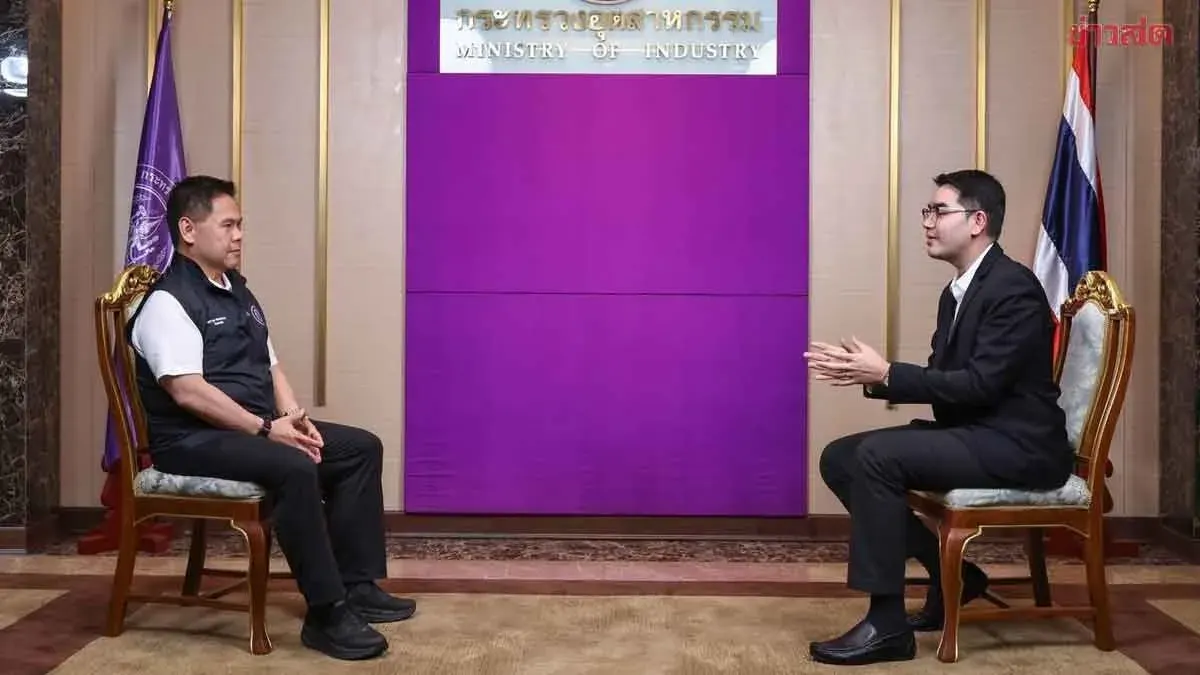
Speaking on the program "Chat with the Cabinet, Anutin" on Saturday, 17 October 2069, Industry Minister Warawut Silpa-archa said Thailand’s economic growth must not come at the expense of the environment or leave people behind. He stressed that managing illegal industrial waste is a priority, noting that some laws have been unchanged for 40‑50 years and the existing fine of no more than 200,000 baht is too low, allowing some firms to prefer paying the penalty over proper waste treatment. The ministry is currently revising the Factory Act and hazardous‑waste law, coordinating with the Ministry of Natural Resources and Environment, the Department of Special Investigation and customs to link penalties to financial trails and enable asset seizure, aiming for fines in the eight‑figure range. Warawut added that today’s punishment is cheaper than proper treatment, so penalties must be raised to make violations unprofitable and force waste back into legal disposal channels. He also highlighted the upcoming wave of clean‑tech waste from aging solar panels and EV batteries, urging the rapid development of controlled recycling industrial estates with centralized wastewater treatment and 24‑hour monitoring to keep hazardous scrap out of general waste streams. Used EV batteries, he noted, can be reconditioned for energy‑storage systems, while truly degraded units must be disposed of safely because they contain harmful substances. On the agricultural front, the ministry is advancing an "AI squared" initiative that brings high‑industry technology to farming, using AI for irrigation, soil and weather monitoring, automation in processing, and e‑commerce, social media and logistics for market access, with the goal of increasing farm incomes by moving up the value chain. Examples include raising the value of raw rice from about 7,000‑8,000 baht per tonne to tens of thousands after processing into flour or export products, and improving sugarcane yield and sweetness per rai. To spread the technology beyond meeting rooms, the ministry plans to work with the Agriculture and Cooperatives Ministry to establish high‑value agro‑industrial estates in the North, Northeast, Central and South regions, tailored to each area’s key crops such as rice, sugarcane and rubber. Warawut pointed out that Thailand’s strength lies in its network of more than 3.2 million SMEs that form supply chains for many industries, especially automotive, where six decades of cooperation with Japan have earned the country a reputation for reliable, efficient production. Regarding the auto sector, he said Thailand will not pursue an electric‑vehicle‑only path but will adopt a multi‑pathway approach that keeps options open.