Thailand Prepares Economic Stimulus Package, Tackles Rising Oil Prices
Thailand's government is preparing a new economic stimulus package and coordinating efforts across ministries to address rising oil prices and cost-of-living concerns ahead of final quarter 2025. The Commerce Ministry will also monitor comm
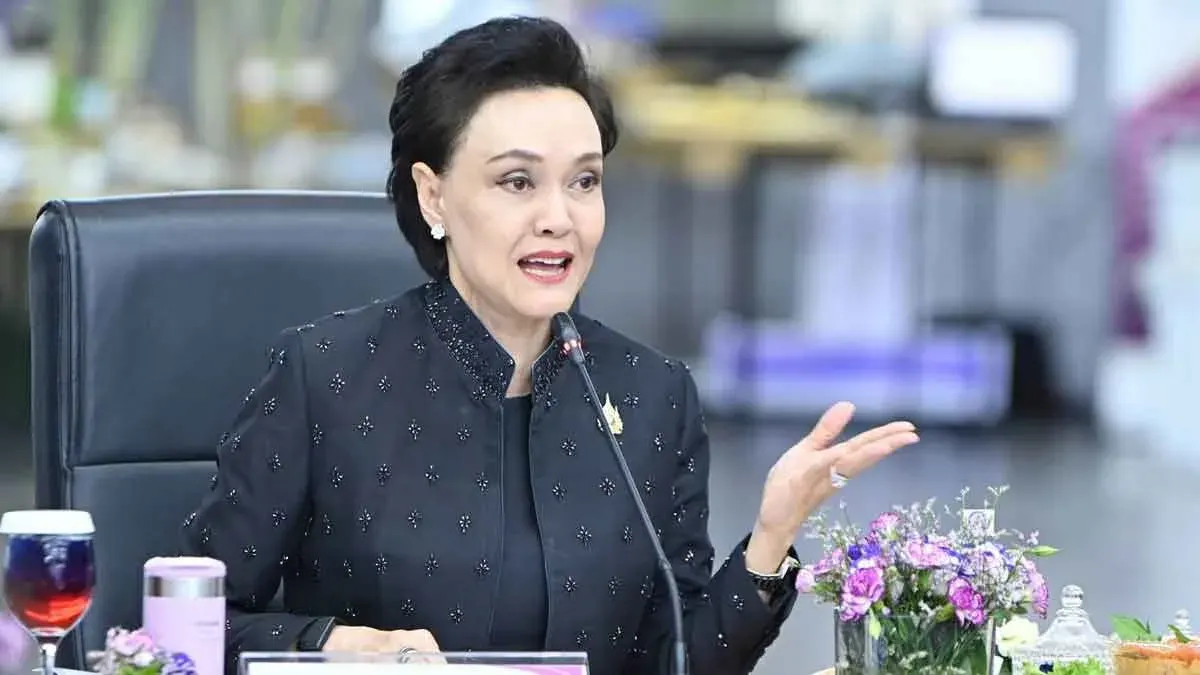
Deputy Prime Minister and Commerce Minister Supachai Sudhirmanphand revealed that the government is developing additional economic stimulus measures following the Thai Help Thai Plus Phase 2 program. The new package will be presented in the form of an economic ministry package to address conditions in the final quarter of 2025 and must include measures from all relevant ministries.
Simultaneously, the government is moving urgently to address rising oil prices through joint meetings between the deputy prime minister and relevant ministers from the Finance, Energy, Industry, and economic agencies to discuss energy price management, cost of living, and agricultural product prices. "Clear guidelines are expected to be presented to the cabinet next week, with budget sources to be considered appropriately from central budget, loans, or the oil fuel fund to benefit the public and farmers," the minister stated.
Regarding the impact of the U.S. Federal Reserve's 0.25% interest rate increase, the Commerce Ministry will monitor and manage commodity prices to prevent harm to the public. Interest rate direction is a matter requiring discussion with Deputy Prime Minister and Finance Minister Ekniti Niti Tundprateep. On trade negotiations with the United States, only minor document details remain between Thailand and the U.S. Trade Representative's Office. Additional discussions with U.S. Deputy Trade Representative Rick Switzer are scheduled for September 19 during the ASEAN Economic Ministers' meeting in the Philippines, with the goal of completing the detailed discussions.
Leader-level talks between Prime Minister Anutin Charnvirakul and U.S. President Donald Trump have not yet been scheduled, as paperwork details must be finalized first. However, such discussions should take place directly between the leaders of both countries. Supachai noted that Thailand's request for special tariff rates from the United States, linked to compliance with the Thailand-Cambodia agreement, is a matter the prime minister must discuss directly with the U.S. president, while the Commerce Ministry will accelerate its detailed work and prepare information for leader-level negotiations.