Thailand Prepares for Middle East Escalation With Four Crisis Scenarios
Thailand's National Security Council has modeled four Middle East escalation scenarios, readied evacuation plans for citizens, and warned of economic
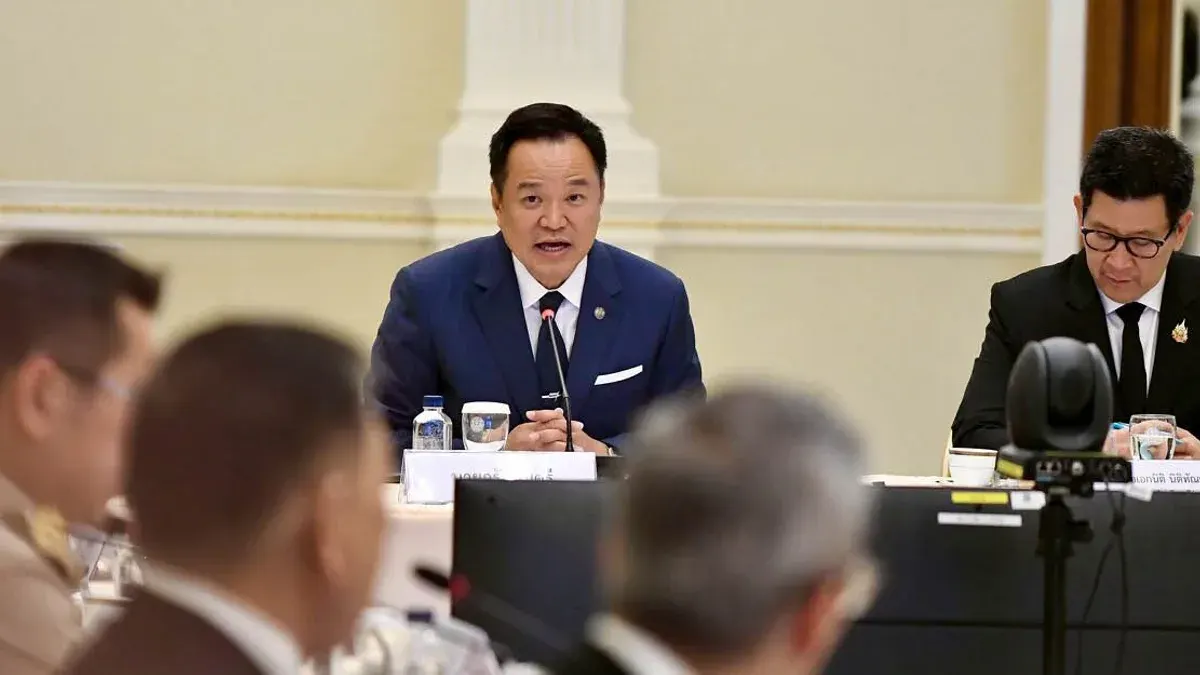
In a National Security Council meeting with state agencies and academics to assess the Middle East conflict drawing global attention, officials outlined four simulated scenarios ranging from negotiated settlement to limited warfare, intense but contained fighting, and a widespread, protracted war affecting the global economy and security. The Thai government's top priority is the safety of Thai nationals living and working in the region, with the Royal Thai Air Force and relevant agencies having already prepared evacuation plans should the situation deteriorate sharply. Authorities are also monitoring commercial shipping lane security around the clock. Indirect impacts Thais may face include surging oil and energy prices, which would cascade into higher transport costs, production costs, consumer goods prices, fertilizer, and agricultural sector expenses. The government must therefore accelerate alternative energy sources, diversify import sources, manage the oil fund, and find substitute raw materials to prevent these costs from burdening the public. Although the government affirms Thailand does not yet face a direct food and energy crisis, establishing a war room to monitor the situation, guarding against cyber threats, and maintaining a continuous NSC operations center are deemed essential. Another key issue is public communication: the government must provide accurate, rapid, and straightforward information, distinguishing between preparedness measures and alarmist warnings, preventing rumors or distorted information from creating panic while also avoiding false reassurance that causes people to overlook potential risks, as the global situation can change at any moment. What must be recognized together is that the consequences of war are not limited to the conflicting parties but can spill over into the economy, energy, trade, and international security. Thailand, though geographically distant from the theater, cannot be complacent because the impact of war may reach Thailand through many channels. Lessons from past crises show that the public often bears the burden first. In this case, the government must not wait for the war to spread before acting, but should coordinate all agencies — both state and private — to plan comprehensively from security and energy to the economy and assistance measures for those affected. Even though Thailand today remains on the outer periphery of the crisis, that does not mean it is safe from the shockwaves of war. In the global power game, Thailand may have limited room to maneuver, but it must know how to plan and prepare carefully and thoroughly. Most importantly, the government must not allow the public to become the ones paying the price for a conflict they did not create.