Thailand Thanks Germany for Circular Economy Support
Thailand has concluded the MA-RE-DESIGN project with German support, which developed circular economy frameworks and plastic management tools including extended producer responsibility systems and recycling guidelines to reduce marine waste
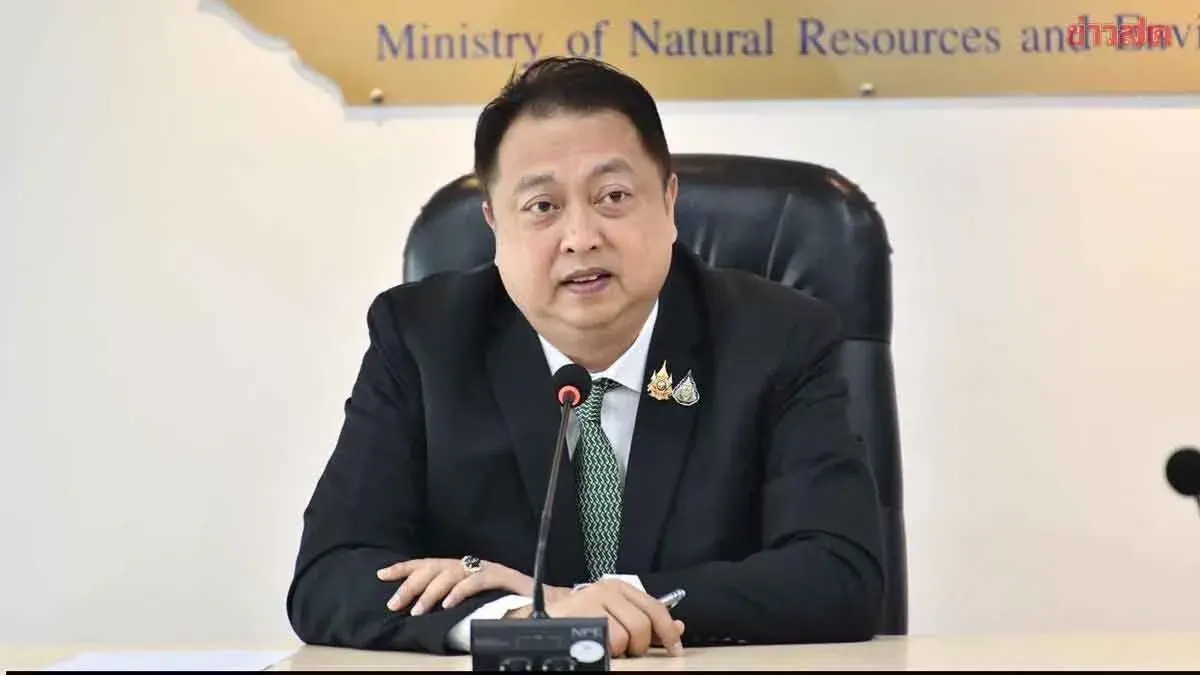
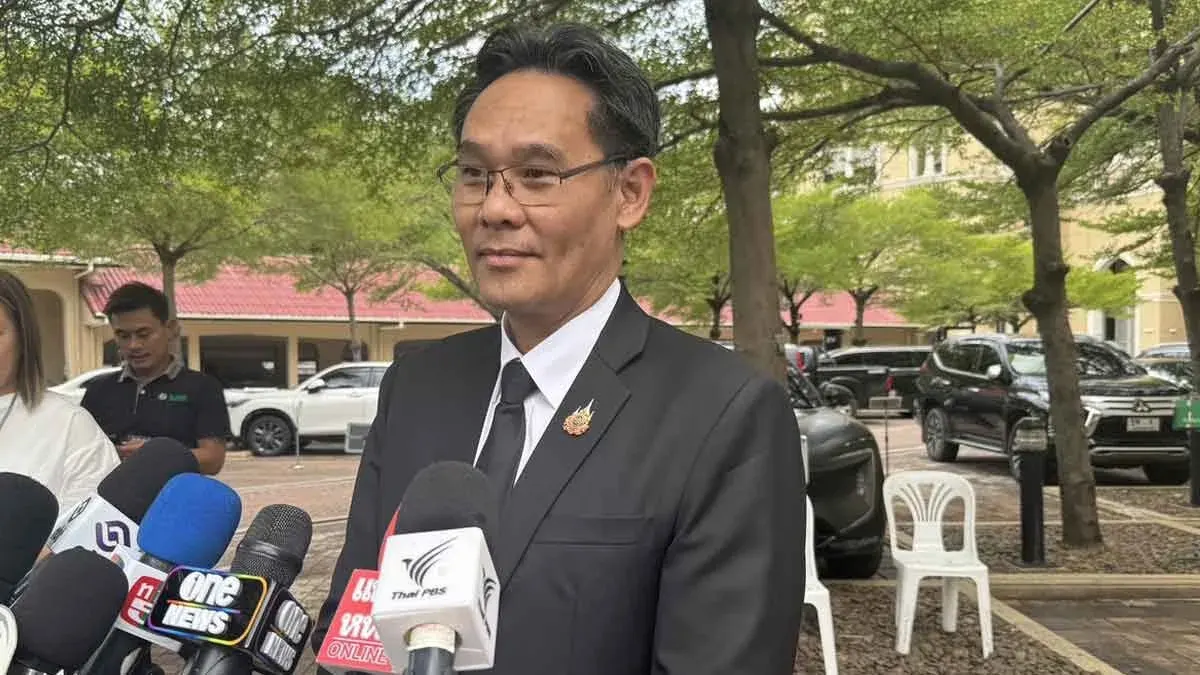
Natural Resources and Environment Minister Suchat Chomklin has asked the Pollution Control Department to oversee the closure of the MA-RE-DESIGN project while expressing gratitude to the German federal government for supporting Thailand's circular economy initiatives to improve plastic packaging management and prevent marine waste. This collaboration has established critical policy frameworks, tools, and mechanisms for the country's plastic management system to meet international standards.
Suchat explained that the MA-RE-DESIGN project, running since 2023, involved GIZ working alongside WWF and UNEP-COBSEA under the Natural Resources and Environment Ministry, with the Pollution Control Department as the primary implementing partner and the Department of Marine and Coastal Resources as a key ally. With German government support, Thailand has developed knowledge, tools, and policy proposals to implement extended producer responsibility (EPR) systems, environmentally friendly product design, and circular economy practices that directly reduce plastic and marine waste, leading to sustainable improvements in environmental quality and public living standards.
Dr. Surin Vorakitjatharn, director-general of the Pollution Control Department, stated that the project developed Design for Recycling (D4R) guidelines, created policy and legal recommendations supporting EPR systems, and provided tools to establish Producer Responsibility Organizations (PROs) to improve the country's plastic packaging management.
At the local level, the project developed plastic waste management prototypes based on circular economy principles in Koh Tao, Surat Thani Province, and Trang Province through collaboration among local governments, businesses, and communities. It also facilitated knowledge exchange with Southeast Asian countries to scale up Thailand's best practices regionally, strengthening cooperative efforts to address plastic pollution and marine waste sustainably, Dr. Surin added.